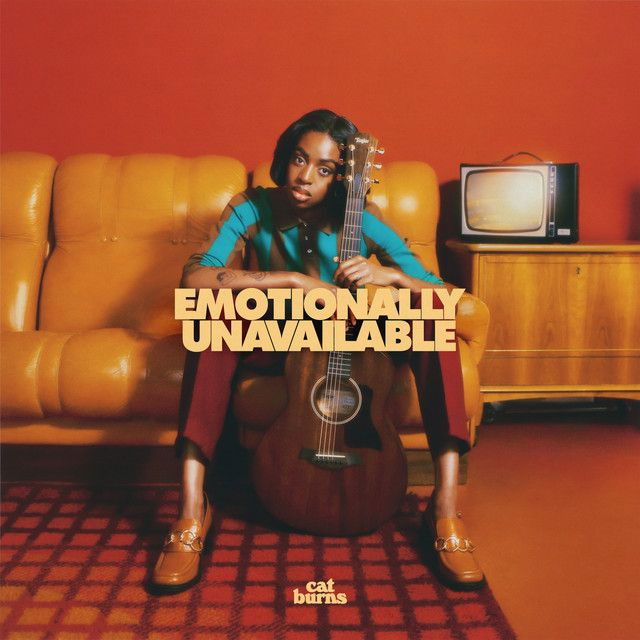
How Cat Burns Turns Friendship Into Grief
The meaning of we're not kids anymore Cat Burns centers on a hard truth: some friendships feel permanent when people are young, but adulthood can slowly pull them apart. The song does not describe a dramatic betrayal. Instead, it captures something quieter and, for many listeners, even sadder. A bond that once felt automatic becomes a memory.
"we're not kids anymore" - Cat Burns
But we didn't know that, did we?
Never even a question
Loading lyrics...
Unable to load lyrics
We're unable to display the lyrics at this time. Please try again later.
Cat Burns has built much of their appeal on emotional clarity, blending intimate writing with soft, direct delivery. That style matters here. Rather than turning the song into a big argument or a neat lesson, they let it sit in confusion, nostalgia, and loss.
A Growing-Up Song About Losing “Us”
At its core, the song mourns a friendship that used to shape everyday life. The verses remember shared routines, jokes, and nights out, then contrast them with the loneliness of doing those things alone. When the narrator looks back, they are not just missing a person. They are missing a version of themselves that existed inside that friendship.
That is why the line we're not kids anymore
lands so hard. It is not only about age. It is about the end of the belief that closeness will naturally last forever.
Interpretation: The song suggests that maturity often arrives as a loss before it feels like growth. The people involved do not seem cruel. They just change, and the relationship cannot hold the same shape.

Watch the official we're not kids anymore
music video
Memory Does the Heavy Lifting
One of the song’s best moves is how it uses ordinary details to build emotional weight. Burns mentions old habits and social rituals instead of grand speeches. They recall evening drives
, familiar songs, club lines, and cheap drinks. Those images make the friendship feel lived-in.
The phrase watching them on my own
is especially revealing. It shows how grief works in this song. The pain is not only that the friend is gone. It is that shared experiences have turned into solo ones.
That same idea returns when the narrator says they still look through pictures. Photos become proof that the closeness was real, but they also deepen the distance between past and present. The song understands a common adult feeling: memories can comfort people and hurt them at the same time.
Why the Chorus Feels Bigger Than One Friendship
The chorus opens with a statement that sounds hopeful, then immediately undercuts it. The song admits that friendships can last, but sometimes they just don't
. That small turn matters. Burns does not present heartbreak as rare or shocking. They present it as part of life.
Then the hook expands the meaning beyond one relationship. I wish somebody would've told us
carries frustration, innocence, and regret all at once. It sounds like they are speaking for anyone who entered adulthood assuming love and friendship would stay simple.
“Friendships can last a lifetime
But then, sometimes they just don't”
This is the article’s clearest emotional pivot. The song moves from private memory to a general truth: nobody fully prepares young people for the way time reshapes connection.
Who the Song Seems to Address
The narrator speaks to a specific former friend, but the song also feels like a message to their younger self. They ask how they were so sure, so trusting, so unaware. The question is not just “Where did you go?” It is also “Why didn’t we know this could happen?”
That makes the song more layered than a simple breakup between friends. It is also about innocence. In youth, “us against the world” can feel believable. Later, the world wins in less dramatic ways: schedules change, priorities shift, silence stretches, and suddenly years have passed.
Interpretation: Some listeners may hear the song as broadly relational, not limited to friendship. The wording supports friendship most strongly, but its emotional structure could fit any bond damaged by time and distance.
How the Sound Supports the Meaning
Even without heavy production details, the songwriting points toward restraint. This is not written like a revenge track or a soaring power ballad. Its emotional force comes from repetition, plain language, and a conversational rhythm.
That matters because the song’s sadness is reflective, not explosive. A softer arrangement lets the lyrics feel like thoughts surfacing late at night. If the production leans stripped-back, that would fit Burns’ known strength as a vocalist: making intimate lines sound close enough to be confessions.
The repeated use of anymore
also works like a fading echo. Musically, repetition can mimic the way people loop old memories in their heads, hoping the meaning will change even when it does not.
The Song’s Sharpest Theme: Time Without Warning
Many songs about loss focus on a single event. This one focuses on drift. The most painful line may be the simplest question: where has the time gone? That thought captures the real shock here. The friendship did not necessarily end with one moment people can point to. It may have slowly thinned out until absence became normal.
That makes the meaning of we're not kids anymore Cat Burns especially relatable for adult listeners in the United States and beyond. Plenty of people have had a friend who once knew every joke, every plan, every version of them. Then life moved, and the friendship became archival.
In that sense, the song is less about blame than about mourning reality. Growing older means learning that love is real, but permanence is not guaranteed.
Why the Song Sticks
What makes the song memorable is its honesty about a type of heartbreak that pop music sometimes overlooks. Romance gets the spotlight. Friendship loss often stays unnamed, even though it can feel just as deep.
Burns gives that feeling language without overcomplicating it. They show that adulthood is not only freedom and independence. Sometimes it is opening old pictures, hearing an old song, and realizing the people in those memories are no longer standing beside you.
Disclaimer: This interpretation is based on the lyrics provided and publicly known context about Cat Burns’ songwriting style. As with any song, listeners may hear meanings that differ from this reading.








