Why 'Road Rage' by Catatonia Still Hits
The meaning of Road Rage Catatonia is more layered than the title first suggests. On the surface, it sounds like a song about anger behind the wheel. But the lyrics point somewhere deeper: panic, pressure, media noise, and the feeling that someone is speeding through life too fast to stay steady.
"Road Rage" - Catatonia
Come round you can take a piece of mine
And if all you've got to do today is hesitate,
Loading lyrics...
Unable to load lyrics
We're unable to display the lyrics at this time. Please try again later.
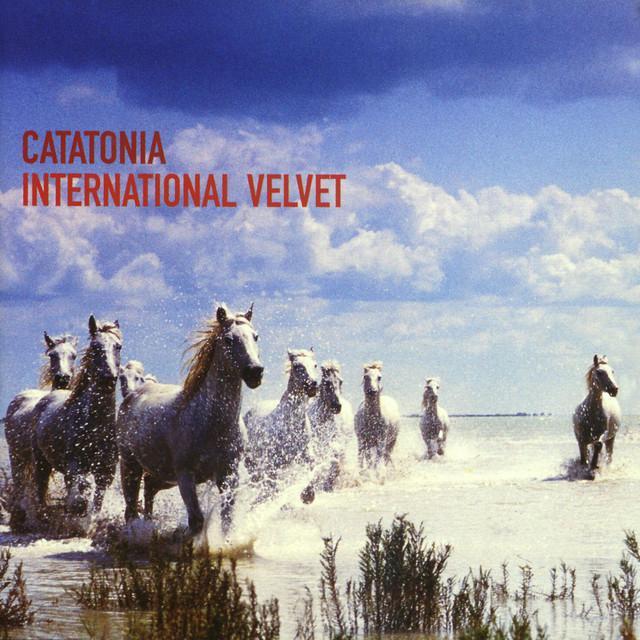
Released in 1998 as a single from International Velvet, the song became one of Catatonia’s best-known hits, reaching No. 5 in the UK and later earning a Gold certification there, according to widely cited chart and certification data summarized by public discographies and reference sources. It was written by Mark Roberts and produced by Catatonia. Those facts matter because the band wrapped a troubled idea inside a polished Britpop single, making the message easier to feel before listeners even fully decode it.
More Than a Driving Song
At the center of the song is a speaker addressing another person who seems close to emotional collapse. The opening offers comfort instead of attack. When the singer says piece of mine
, the idea is generous: they are offering calm, patience, and maybe borrowed strength.
That tenderness quickly shifts. The song starts to describe someone who is defensive, guilty, and unstable. The line about proving innocence is not treated as believable. Instead, the speaker suggests this person is already trapped in their own excuses.
Interpretation: this makes the song feel like a conversation with someone unraveling in public and in private. “Road rage” becomes a metaphor for reckless emotional behavior, not only literal driving.
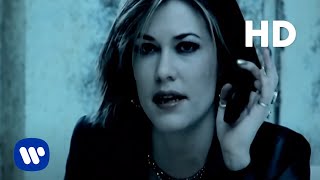
Watch the official Road Rage
music video
A Chorus About Speed, Pressure, and Collapse
The chorus is where the song’s main idea clicks. It uses phrases like front page
, road rage
, and losing your mind
to connect three things:
- public exposure
- uncontrolled anger
- mental and emotional overload
The speaker is not just saying this person is difficult. They are saying the person’s chaos has become visible, maybe even newsworthy. That is why the image of the front page
matters so much. It hints at scandal, spectacle, and the way modern life can turn private breakdowns into public drama.
Another key phrase is racing through the best days
. In plain terms, the song warns that speed is stealing joy. Instead of living fully, the person is hurrying past the very moments that should matter most.
We all live in the space age
coming down with road rage
This brief passage broadens the message. The song stops being only about one troubled person and starts sounding like a diagnosis of the culture around them.
The “Space Age” Idea Changes the Song
One of the most important facts around the song is that Cerys Matthews said the title was inspired by a notorious murder case, but that the lyrics were about advances in technology and modern life. Reference summaries of interviews and coverage also note that Matthews later apologized to the victim’s mother after controversy over the title.
That context helps explain why the song keeps reaching beyond one argument or one relationship. The phrase space age
sounds futuristic, but not in a joyful way. It suggests a world moving faster than people can process.
Interpretation: the song argues that modern culture creates its own kind of road rage. People are overstimulated, watched, rushed, and pushed to react. In that reading, the unstable person in the song is both an individual and a symptom of a wider social condition.
Who Is Speaking, and to Whom?
The voice in the song is intimate but not passive. They comfort, judge, and warn all at once. They seem close to the person they are addressing, possibly a lover or partner, especially when the chorus says driving me crazy
.
That line matters because it works in two directions. It keeps the driving metaphor alive, but it also reveals emotional damage. The other person’s instability is not isolated; it spreads. Their panic affects the relationship.
So the song’s narrator stands in a difficult place. They want to soothe this person, yet they also see the truth clearly. That tension gives the song its bite.
How the Sound Carries the Meaning
Musically, “Road Rage” softens its own warning. The track moves at a moderate pace, often listed around 92 BPM in song-reference databases, and its polished Britpop arrangement makes the anxiety sound strangely inviting. That contrast is the point.
The melody glides while the lyrics describe mental strain. Matthews’ vocal delivery, especially the famous rolled R’s praised in contemporary reviews, adds both charm and friction. Critics at the time called the song a standout pop single, and it later won Best Single at the 1998 Q Awards while also earning major nominations in Britain.
There is also a structural restlessness in the composition. The reported multiple key changes give the song a shifting, unsettled quality. Even when it sounds smooth, it never feels completely still. That instability mirrors the song’s emotional subject.
Why the Song Endures
The meaning of Road Rage Catatonia lasts because it speaks to two experiences at once. It captures what it feels like to love or confront someone who is unraveling. And it captures the broader stress of living in a world that rewards speed over reflection.
That is why the song still feels current. Its warning is simple: when people chase everything too fast, they risk missing their lives while they are living them.
Final Take on Catatonia’s Message
“Road Rage” is best understood as a pop song about emotional acceleration. Its road imagery stands for reckless thinking, public pressure, and a culture that keeps everybody moving too quickly.
Interpretation disclaimer: song meanings are never fully fixed, and listeners may hear relationship drama, social commentary, or both in Catatonia’s lyrics. This reading is based on the words of the song, the band’s public context, and the track’s musical design.







