Why Catatonia’s Early Hit Feels So Uneasy
For listeners searching for the meaning of You've Got a Lot to Answer For Catatonia, the key is tension. The song sounds bright and catchy on the surface, but its words are nervous, intimate, and full of consequences. It is about someone facing a life-changing possibility while still caught in a messy bond with another person.
"You've Got a Lot to Answer For" - Catatonia
But baby I love you.
But baby I love you.
Loading lyrics...
Unable to load lyrics
We're unable to display the lyrics at this time. Please try again later.
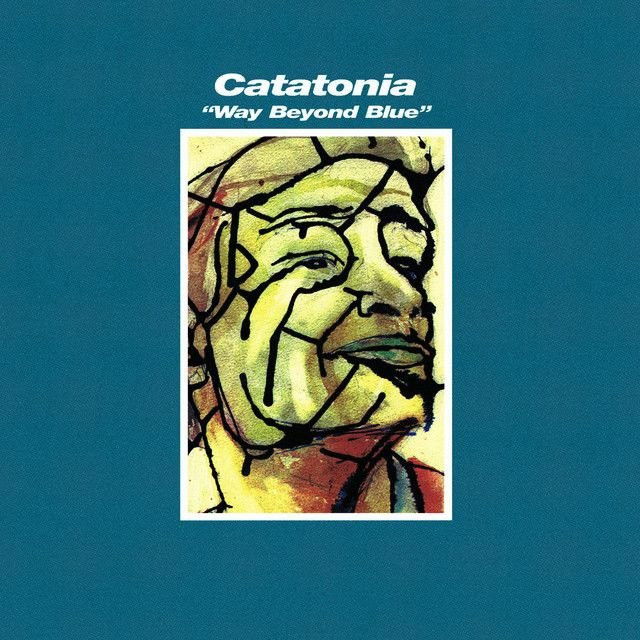
Catatonia released the single in August 1996 from their debut album Way Beyond Blue. It became the band’s first UK Top 40 hit, peaking at No. 35, and helped set up their later breakthrough. Written by Cerys Matthews and Mark Roberts, it already shows what made Catatonia special: pop hooks with a sharp, strange edge.
The Song’s Central Question
At its core, the song is about responsibility. The title and chorus point a finger at someone who may have caused emotional and physical consequences, yet the singer does not simply walk away. They accuse, but they also confess affection.
That is why the repeated line But baby I love you
matters so much. In plain terms, the speaker is saying: this person has created trouble, but the bond is still there. The song lives inside that contradiction. It is not a clean breakup song, and it is not a happy love song either.
Interpretation: the emotional force comes from holding blame and attachment at the same time. The speaker sounds frustrated, but also deeply tied to the person they are addressing.

Watch the official You've Got a Lot to Answer For
music video
The Pregnancy-Test Image Changes Everything
The clearest clue to the song’s meaning is the color imagery. The line about something turning blue has been noted on Catatonia’s Wikipedia page as a reference to a pregnancy test, and that reading fits the whole lyric. If a test result changes, the future changes too.
The phrase If it turns to blue
introduces fear before any answer has arrived. Then the song imagines other outcomes too, including the hope that things might stay manageable. This is why the chorus feels heavier than it first seems. The person being addressed has a lot to answer for
because the situation may involve pregnancy, commitment, or a future neither person fully planned.
If it turns to blue, what are we gonna doIf it stays on white, will it be alright
Those lines are simple, but they open a huge emotional space: dread, denial, and rushed planning.
Blame, Love, and the Fear of Growing Up
One of the smartest things in the song is how it moves from a possible pregnancy scare to a bigger fear of adulthood. The speaker sounds like someone standing at the edge of irreversible change. A test result is one symbol, but the larger issue is responsibility.
That is why questions keep driving the lyric. The speaker does not sound fully in control. They wonder what happens next, whether the other person will step up, and whether love is enough when real consequences arrive.
The line talk about it
adds to this feeling. The speaker suggests there could be endless discussion, but talking is not the same as acting. In other words, words may be cheap. Someone must eventually take responsibility.
What the relationship sounds like
The relationship here feels unstable but still intimate:
- there is attraction
- there is resentment
- there is dependence
- there is uncertainty about the future
That mix is very Catatonia. Their songs often turn emotional confusion into witty, memorable lines instead of neat statements.
The Genetic Language Is Darkly Funny
Midway through, the song gets stranger and more revealing. The speaker mentions looks, means, and the idea to mix each other’s genes
. On one level, it is playful and flirtatious. On another, it turns romance into biology.
That shift matters. It makes the song sound less dreamy and more physical, even clinical. Love is not presented as pure destiny. It is tied to bodies, reproduction, and time passing. The later mention of DNA being past its sell-by date adds pressure, as if youth and fertility are both limited resources.
Interpretation: these lines may show the speaker trying to joke their way through panic. Humor becomes a shield. By making the situation sound clever or absurd, they can talk about fear without sounding sentimental.
How the Sound Supports the Meaning
Musically, the track helps explain why so many listeners first miss how tense it is. Catatonia were often filed under alternative rock, but guitarist Owen Powell once said the band always tried to make pop music with a hard edge and a twisted view of life. That description fits this single well.
The arrangement is brisk and melodic. The guitars move with confidence, and the chorus lands fast, almost casually. Cerys Matthews sings with a mix of cool control and weary bite, which keeps the song from becoming melodrama.
That contrast is crucial. A worried lyric over bright, efficient rock creates emotional dissonance. The song sounds like it is pushing forward even while the speaker feels stuck. For many listeners, that uneasy blend is the real appeal of the meaning of You've Got a Lot to Answer For Catatonia.
Why It Mattered in Catatonia’s Career
The single arrived before Catatonia’s bigger commercial peak, but it already carried their identity. According to the song’s Wikipedia entry, radio support from BBC Radio 1 DJs Mark and Lard helped push it into the UK Top 40. That matters because the song gave new listeners an early example of the band’s style: catchy, clever, and emotionally off-center.
It also shows how Matthews and Roberts wrote. Their work often leaned on metaphor rather than blunt confession. Here, a few domestic details and color cues say more than a long explanation would.
A Lasting Reading of the Song
The best way to understand the song is as a portrait of love under pressure. It is not only about a pregnancy scare, though that image seems central. It is also about the moment when romance collides with consequence.
The closing questions keep the song open rather than resolved. The speaker is still asking who the other person is, what they want, and whether they will stay. That uncertainty is the point.
In the end, the meaning of You've Got a Lot to Answer For Catatonia comes from its balance of tenderness and accusation. Someone may have caused a crisis, but the heart has not caught up with the anger.
Disclaimer: This article offers interpretation based on the lyrics, recording context, and available sources. Song meaning can remain open, and different listeners may hear it differently.







