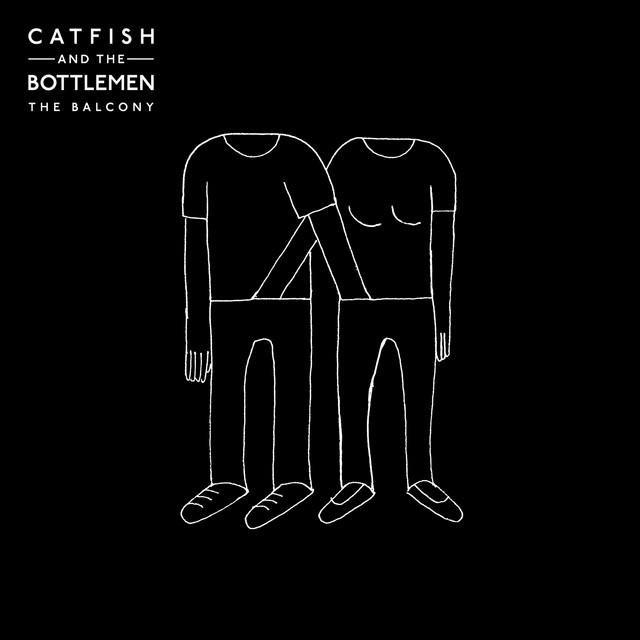
Cocoon by Catfish and the Bottlemen
A Fast, Messy Love Story at the Center
The meaning of Cocoon Catfish and the Bottlemen comes down to this: they present love as both chaotic and safe. The song sounds like a night out that never really ended, but beneath that rush is a promise of care. It is about two people wrapped up in each other, even when drinking, social judgment, and emotional baggage make the relationship look unstable from the outside.
"Cocoon" - Catfish and the Bottlemen
Into your arms
Like a drunk
Loading lyrics...
Unable to load lyrics
We're unable to display the lyrics at this time. Please try again later.
On the surface, the opening feels impulsive. The narrator falls hard and fast, describing a clumsy, intoxicated moment with I fell straight
into someone else’s space. But the song does not stay in simple lust. Very quickly, it turns into a story about closeness, dependence, and loyalty.
That tension matters. Catfish and the Bottlemen often write in a direct, conversational style, and on their debut album The Balcony, that style helps them make young love feel immediate. “Cocoon” is one of the clearest examples.

Watch the official Cocoon
music video
Why “Cocoon” Is the Key Image
A cocoon is soft, enclosed, and protective. In this song, that image turns a reckless romance into a shelter. When the narrator says Our cocoon
, they are not talking about a fantasy world with no problems. They are describing a private emotional space built by two imperfect people.
The song’s details support that reading. One person is cold, half drunk, grieving, or trying to hide things from family and friends. The other person answers with support rather than judgment. The repeated offer to “rest on” them frames love as a place to land.
Interpretation: the cocoon is not just romance. It also suggests a temporary shield from public pressure. The couple may not be fixing every problem, but they are creating a zone where vulnerability feels possible.
The Verses Show Attraction Turning Into Care
Early lines focus on chemistry. The narrator notices blushes, drinking games, and the thrill of mutual attention. The phrase swapped names
captures that flirtatious, slightly drunken spark. It feels playful, almost like the beginning of a story they will keep retelling.
Then the emotional stakes deepen. A line about visible grieving
shifts the mood. Suddenly, the other person is not just fun or attractive; they are hurting. That change is important because it reveals what kind of relationship this is. The narrator does not run from the mess. They accept being needed.
This is where the song gains weight. It is not celebrating partying for its own sake. Instead, it shows how intimacy can grow inside messy real-life moments. The romance feels believable because it includes embarrassment, sadness, and dependency.
The Chorus Turns Defensiveness Into Devotion
The chorus is blunt and memorable. The central idea is that outside opinions do not matter as much as the bond inside the relationship. The lyric if they try and get to us
shows the couple against a social circle that does not fully approve.
That resistance could come from friends who think the relationship is unhealthy, too intense, or too consuming. The song never proves whether those friends are right. What it does prove is the narrator’s commitment. Their dramatic vow, rather go blind
, is not meant literally. It is emotional exaggeration, a way of saying they would endure loss before becoming the person who lets their partner down.
Interpretation: this chorus is both romantic and a little troubling. Its passion is attractive, but its “us against them” frame can also suggest a relationship growing more isolated. That ambiguity gives the song some edge.
Sound and Production: Why It Feels So Urgent
“Cocoon” works because the band’s sound mirrors the lyrics. Catfish and the Bottlemen build the track with tight drums, fast-moving guitar, and a vocal delivery that feels nearly breathless. The arrangement keeps pushing forward, which fits a relationship that seems to run on impulse.
There is very little distance in the performance. The guitars shimmer rather than brood, and the rhythm section keeps the song from collapsing into sentimentality. That balance is key: the band gives the story energy, not softness. Even the tender moments feel like they are happening at full speed.
The group became known for that lean indie-rock style around the era of The Balcony. In “Cocoon,” that style sharpens the song’s meaning. The production says this love is not calm, mature, or polished. It is immediate, loud, and very alive.
A Few Strong Clues About the Relationship
Several recurring ideas help explain why the song connects:
- Alcohol is part of the setting, but not the whole story.
- Friends and relatives represent outside pressure.
- Physical closeness stands in for emotional protection.
- Repetition makes the promise feel stubborn and sincere.
Taken together, those elements show a couple building intimacy in imperfect conditions. They are not presented as role models. They are presented as real.
One More Way to Read It
There is another possible reading of the meaning of Cocoon Catfish and the Bottlemen. The song may be about young love at the stage where devotion feels noble because it ignores consequences. In that version, the cocoon is comforting, but also limiting. It keeps the couple warm while cutting them off from criticism that might actually help.
That is why the song still lands. It understands the thrill of being chosen and needed, while hinting that this kind of bond can become a closed loop.
Why the Song Endures
“Cocoon” lasts because it captures something easy to recognize: the moment when attraction becomes protection. Its details are messy, but its emotional message is simple. They show two people trying to make a small safe place inside a loud world.
For many listeners, that is the heart of the song. It is not a polished love ballad. It is a sweaty, defensive, affectionate indie-rock snapshot of people holding each other up.
Disclaimer: This interpretation is based on the lyrics, recording, and public context around the song. As with any art, listeners may hear different meanings in it.








