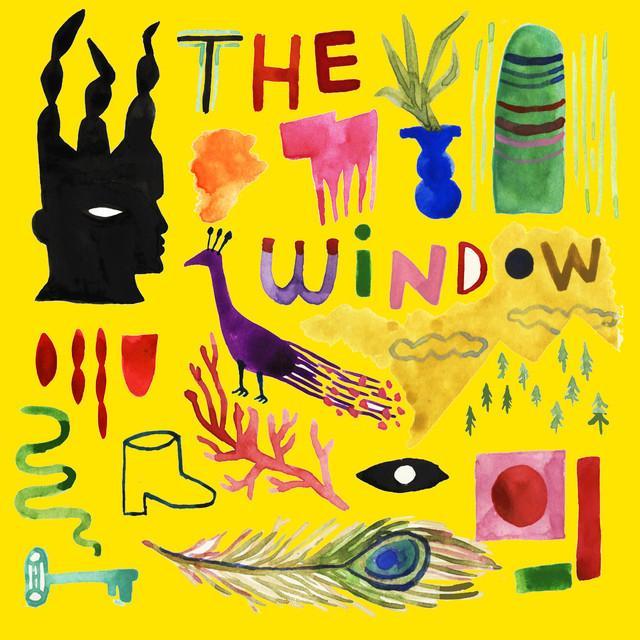
One Step Ahead by Cécile McLorin Salvant
A heartbreak song about distance that barely exists
The meaning of One Step Ahead Cécile McLorin Salvant centers on a painful idea: leaving someone is possible in theory, but emotionally it still feels impossible. The singer is not fully trapped in the relationship, yet they are not truly free either. They are only barely ahead of the sorrow.
"One Step Ahead" - Cécile McLorin Salvant
One step ahead of misery
One step is all I have to take
Loading lyrics...
Unable to load lyrics
We're unable to display the lyrics at this time. Please try again later.
That tension is stated in the title phrase itself. When the narrator says they are one step ahead
, they sound safe for a moment. But the rest of the song quickly shows that this small gap offers no real protection. One step is fragile. One step can be reversed.
Cécile McLorin Salvant recorded the song for The Window, her 2018 duet album with pianist Sullivan Fortner. The song itself was written by Charles Singleton and Eddie Snyder and first released by Aretha Franklin in 1965, where it reached No. 18 on the Hot Rhythm & Blues Singles chart, according to chart history. That background matters because Salvant is not just reviving an old tune. They are placing a classic soul lyric into an intimate jazz setting, which changes how listeners hear its emotional detail.
Watch the official One Step Ahead
music video
The speaker is trying to leave, but not trying very hard
At the song's core, the narrator describes someone who knows the relationship is bad for them but still wants it. They recognize the pattern. They even call themselves the same old fool
, which shows painful self-awareness.
This is not a song about confusion in the early stage of romance. It is about relapse. The speaker already knows what heartbreak looks like. They have lived through it before, and yet they feel drawn back anyway.
How the lyrics build that conflict
The verses keep measuring tiny distances: a step, an arm's reach, fingertips, breath. Those details create a world where separation is physical but very small. The lover is still close enough to be felt, almost touched, almost accepted again.
The line about being one kiss away
is especially important. It suggests the speaker's resolve can collapse through one small act. They do not need a dramatic reunion. They only need one weak moment.
Why the chorus hurts so much
The chorus works because it turns a simple image into an emotional trap. A step usually means progress. Here, one step forward feels like loss. The song says that moving away from the lover is also moving away from desire, comfort, memory, and even identity.
That is why the refrain feels so sad rather than strong. The narrator is technically escaping misery, but they do not experience that escape as victory. They experience it as deprivation.
It's too soon to forget you
It's too late to be free
This is the emotional center of the song. In plain terms, the speaker feels stuck between two bad outcomes. They cannot heal yet, but they also cannot return without damage. Interpretation: this is less about romance as a happy bond and more about attachment as a habit that keeps defeating reason.
Small words, big themes
One reason this song lasts is that its language is simple, but the ideas are complex. Several themes run through it:
- Heartbreak as repetition: The speaker fears becoming that old self again.
- Temptation as nearness: The danger is not far away; it is right beside them.
- Freedom as loneliness: Leaving may be right, but it still feels empty.
- Self-knowledge without self-control: They understand the problem, yet that does not fix it.
The phrase your fingertips
captures that beautifully. It is a tiny image, but it suggests how desire survives in the body. The relationship is present through touch, memory, and sensation, not just thought.
What Salvant's version adds
Salvant's performance changes the song's center of gravity. Aretha Franklin's original is rooted in 1960s soul, with a stronger rhythmic push and a young singer already showing the emotional directness that would define her career. Salvant and Fortner strip the song down.
That sparse setting matters. With just voice and piano, every pause feels exposed. The arrangement leaves room for hesitation, breath, and tonal shifts. Instead of sounding swept away by feeling, Salvant often sounds as if they are studying the feeling while still suffering inside it.
Piano, pacing, and restraint
Fortner's piano does not crowd the lyric. It supports the story with space and careful movement. That restraint makes the song feel like a private confession rather than a public breakdown.
Interpretation: in Salvant's hands, the song becomes less about dramatic pleading and more about the mind arguing with the heart in real time. The quietness sharpens the pain. Listeners hear not just longing, but the effort of resisting longing.
A song with a long afterlife
The song also carries cultural weight beyond this cover. Aretha Franklin's 1965 recording became one of her notable early Columbia singles and later gained new life through sampling, especially in hip-hop. That history shows how memorable the central hook is: the idea of being almost free, but not free enough, speaks across genres and decades.
Salvant's cover honors that history without copying it. They bring the song into a chamber-jazz world, where every emotional tremor feels closer to the ear.
Final takeaway on the song's meaning
The meaning of One Step Ahead Cécile McLorin Salvant is about emotional distance that does not equal emotional release. The narrator has moved slightly away from love and pain, but only slightly. That tiny space becomes the whole drama of the song.
In Salvant's version, that drama feels even more intimate. They sing the song as if the hardest part is not heartbreak itself, but knowing exactly what will happen if they turn back and still wanting to turn back anyway.
Disclaimer: This interpretation is based on the lyrics, recording context, and available song history. As with most great performances, listeners may hear other meanings in it too.







