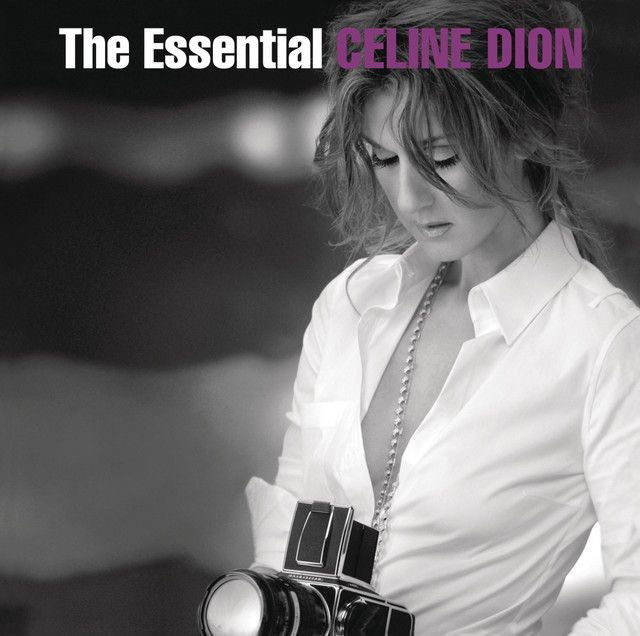
Call the Man by Céline Dion
A Plea for Healing at the Center
The meaning of Call the Man Céline Dion starts with a cry for help. This is not just a breakup song, even though it clearly speaks from heartbreak. The lyric moves from one wounded room into a much wider world, suggesting that private pain and public pain are connected.
"Call the Man" - Céline Dion
Shut the world away
All the fight's gone from this wounded heart
Loading lyrics...
Unable to load lyrics
We're unable to display the lyrics at this time. Please try again later.
At first, the singer seems shut in with grief. Phrases like Close the door
and Shut the world away
suggest emotional retreat. They paint a person who is exhausted, hurt, and no longer ready to fight. But the song does not stay in silence for long. It turns outward and asks for someone who can restore what feels damaged beyond repair.
That is why the title phrase matters so much. The repeated call is less about romance alone and more about rescue. The song imagines a figure who can bring love, order, and hope back into broken lives.

Watch the official Call the Man
music video
From One Broken Heart to a Broken World
One of the strongest things about the song is how it expands its focus. The verses begin with memories of lost love and an empty room. Then the chorus and later lines move beyond one person and toward society at large.
This shift is key to understanding the song's scope. The line about chaos and confusion
makes the song sound bigger than ordinary heartbreak. It suggests a world in moral or emotional crisis. When the lyric reaches from the plains to City Hall
, it links everyday life with institutions and power. In simple terms, the song says that people at every level need compassion and direction.
Interpretation: They can hear this as a quasi-spiritual anthem. The “man” may be a lost lover, but the way the song broadens its language makes that reading feel too small for many listeners.
Who Is “the Man”?
The song keeps that central figure unnamed, and that ambiguity gives it power. The lyric says to Call the man
who deals in healing love, but it never explains exactly who he is.
There are a few strong readings:
- A savior figure. Because the song talks about healing the world and guiding people when the future is unclear, some listeners hear a religious meaning. Critic Bob Waliszewski wrote that it could be interpreted as referring to Jesus, a reading noted in coverage of the song.
- A symbolic healer. They may also hear “the man” as any force of mercy: faith, hope, love, or even conscience.
- A lost beloved. The verses remember a past relationship, so the song can also work as a plea for the return of someone whose love once made life feel whole.
Interpretation: The most convincing reading may be that the song intentionally blends all three. It begins with personal longing, then turns that longing into a prayer for universal repair.
How the Chorus Reframes the Story
The chorus is where the song reveals its real mission. Instead of staying trapped in memory, it looks forward. The request to Shine a light ahead
changes the emotional direction of the track.
That image matters because light in this song is not just comfort. It is guidance. The singer is not only sad; they are unsure what to do next. The song's emotional core is not just loss, but uncertainty.
Shine a light ahead
when the next step is unclear
Call the man
he's needed here
These lines sum up the song's main idea: when people cannot see the road in front of them, they want help that is larger than themselves.
The Sound Makes the Meaning Feel Huge
Facts around the recording help explain why the song feels so grand. “Call the Man” appeared on Falling into You in 1996 and was later released as the fifth and final single outside North America on June 9, 1997. It was written by Andy Hill and Peter Sinfield and produced by Jim Steinman, with Steven Rinkoff and Jeff Bova also credited. In reviews, it was often called an “epic ballad” or a dramatic anthem.
That description fits the arrangement. Steinman was known for theatrical scale, and this track leans into that style. The long runtime, swelling keyboards, programmed drums, acoustic guitar, and stacked backing vocals create a near-cinematic feeling. Rather than sounding intimate and small, the production turns personal grief into public drama.
Dion's vocal performance is also central to the meaning. They can hear how she begins in a wounded, reflective tone and then rises into something close to proclamation. That shift supports the song's message: pain may begin in one heart, but the cry for healing belongs to everyone.
Reception, Performance, and Why It Endures
The song was not one of Dion's very biggest U.S. hits, but it did find a strong audience elsewhere. According to chart records, it reached No. 11 in the UK and No. 8 in Ireland. Reviewers described it as brooding, wistful, and highly theatrical, which helps explain why it stands out in her catalog.
Its live life also matters. Dion performed it at the 1997 World Music Awards with a 30-voice gospel choir, a choice that pushed the song even further toward communal and spiritual feeling. Gospel backing naturally makes the plea sound less like a private diary entry and more like a shared appeal.
The Lasting Meaning of “Call the Man”
In the end, the meaning of Call the Man Céline Dion lies in its blend of heartbreak, hope, and mystery. It starts with a wounded person trying to survive loss. It grows into a vision of a hurting world asking for love, guidance, and repair.
Interpretation: Whether listeners hear the “man” as God, a lover, or a symbol of healing itself, the emotional message stays the same. People reach for help when life feels fractured, and this song gives that need a dramatic, unforgettable voice.
Disclaimer: This interpretation mixes documented song facts with reasoned analysis. Because the lyric leaves its central figure unnamed, different listeners may reach different conclusions.







