What ‘My Love’ by Céline Dion Really Means
The meaning of My Love Céline Dion comes down to a powerful mix of devotion, emotional strain, and the need to be met with the same care one gives to someone else. On the surface, it is a grand pop ballad about love. Under that, it sounds like a confession from someone who has carried a relationship through hard seasons and now wants reassurance that their loyalty has truly been seen.
"My Love" - Céline Dion
The Endless confession,The rise and fall
As fragile as a child
Loading lyrics...
Unable to load lyrics
We're unable to display the lyrics at this time. Please try again later.
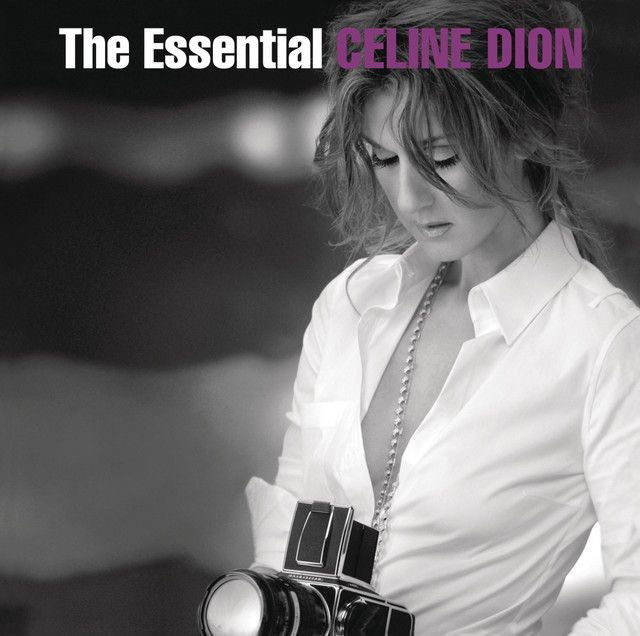
Written and produced by Linda Perry, “My Love” first appeared on Taking Chances in 2007 and was later released as the lead single from My Love: Essential Collection in 2008. It was sent to radio on September 22, 2008, and released digitally the next day, according to available release information. Critics were mixed but often noticed its scale and emotion; The Boston Globe called it a brief but striking “sky-scraping ballad,” while USA Today praised Dion’s restraint and grace.
A Love Song That Is Also a Plea
At its core, the song is not only saying “I love you.” It is saying: I have stayed, I have helped, I have hidden my pain, and I need to know whether that mattered. The opening idea looks back on a relationship that has already survived a lot. When the singer says they have seen everything from confession to collapse, the bond feels tested rather than idealized.
That is why the emotional center is not romance alone. It is endurance. A short phrase like we have seen it all
suggests shared history, but also weariness. The next key detail is vulnerability. The speaker describes themself as emotionally fragile, unable lately to keep up a happy face. That shift gives the song its ache: love is real, but so is exhaustion.

Watch the official My Love
music video
The Verses Show Hidden Pain
Much of the song’s tension comes from the gap between what the speaker feels and what they show. They insist they can still stand up and keep going, even when they are struggling inside. In plain terms, they are surviving, but barely.
A line like stand tall to get by
matters because it frames strength as performance as much as reality. The speaker is trying to look steady. They are not saying everything is fine. They are saying they have learned how to function while hurting.
Loyalty Is the Song’s Moral Center
The repeated questions in the song are crucial. The speaker keeps asking whether the other person noticed all the care they gave. Phrases such as take the time for you
and see you through
are not boasts. They are reminders of emotional labor.
This is where the song becomes more than a standard ballad. Instead of simply praising love, it asks whether love has been mutual. The speaker has already played the supportive role. Now they want proof that their effort was understood.
The Chorus Turns Love Into a Test
The chorus keeps circling back to what the speaker has done from the very start. That repetition creates a feeling of pleading. They are not unsure of their own devotion; they are unsure whether the other person values it.
I would give all I am to you
Would you do the same for me
This is the one place where the song states its central conflict most directly. The relationship may be loving, but it is emotionally uneven. Interpretation: the singer is asking for reciprocity, not just romance. They do not want praise. They want equal courage, equal sacrifice, and equal honesty.
Sound and Production: Why It Feels So Big
“My Love” uses the classic language of a late-2000s adult-contemporary power ballad: piano-led emotion, wide dynamics, and a vocal that starts intimate before rising into a large, open-throated chorus. Since Linda Perry both wrote and produced it, the song carries her usual directness. The melody leaves space for conversational confession in the verses, then stretches upward when the emotion can no longer stay contained.
That matters for meaning. The production does not undercut the lyric with irony or clutter. It supports the song’s plainspoken pain. Dion’s voice is the main instrument of interpretation here. She sounds controlled at first, which fits the idea of hiding distress. As the song climbs, that control begins to feel costly, almost like a person trying to stay dignified while asking a painful question.
This may help explain the split in reviews. Some heard a huge, empowering adult-pop statement, while others thought it leaned too hard into diva-ballad style. Both reactions make sense, because the song lives in that tension between sincerity and grandeur.
Two Strong Readings of the Lyrics
There are at least two useful ways to hear the song.
Interpretation 1: A strained romantic relationship
The most direct reading is that the speaker is addressing a partner after a long period of struggle. They have been dependable, but they feel unseen. The request for strength suggests they are running low emotionally and need comfort back.
Interpretation 2: Love as sacrifice and identity
Another reading is broader. The song may be about how caring for someone can become part of a person’s identity. When the speaker asks whether the other person would do the same, they are really asking whether the relationship is built on mutual giving or on one person carrying more of the weight.
In both readings, the repeated mention of mistakes adds humanity. The speaker is not pretending innocence. They want their bravery, flaws, and effort all recognized together.
Why the Song Still Connects
Part of the meaning of My Love Céline Dion is its honesty about unequal emotional work. Many love songs celebrate devotion. Fewer ask what happens when devotion becomes tiring. That question gives “My Love” its staying power.
The song also fits a key part of Dion’s appeal. She often sings big feelings without making them hard to understand. Here, the message is simple but sharp: love is not just what someone feels; it is what they notice, return, and sustain.
Final Take
“My Love” is about loving deeply while quietly reaching a limit. It honors commitment, but it also asks for balance. That is why the song feels both strong and wounded at the same time.
Readers may hear different shades of meaning in the lyrics and performance. This interpretation is based on the song’s words, recording context, and critical reception, but all song meanings remain open to personal reading.








