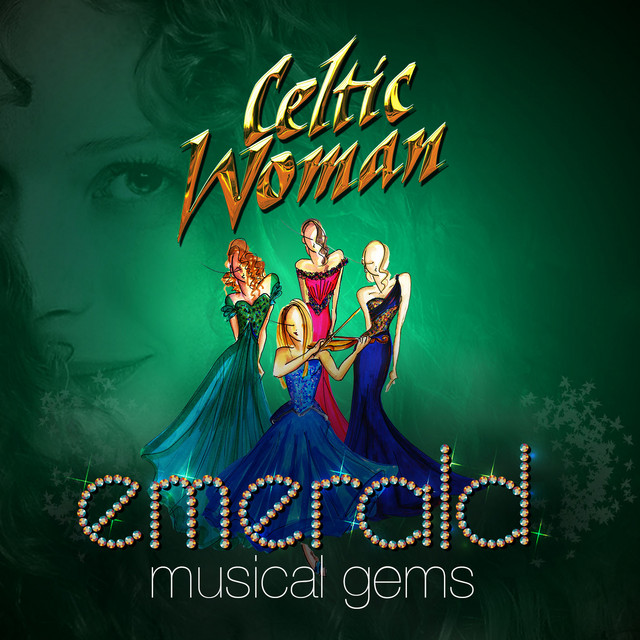
What "Dúlaman" by Celtic Woman Really Means
The meaning of Dúlaman Celtic Woman starts with something simple and surprising: this is a lively traditional Irish song about seaweed, courtship, and coastal pride. In Celtic Woman's hands, it feels elegant and mysterious, but the roots of the song are earthy, witty, and close to daily life.
"Dúlaman" - Celtic Woman
A mháithairin mhín ó, cuir na roithléan go dtí mé
[Curfá:]
Loading lyrics...
Unable to load lyrics
We're unable to display the lyrics at this time. Please try again later.
“Dúlamán” is an Irish folk song, and the title refers to a type of seaweed, often glossed as channel wrack. Sources on the song connect it to seaweed gathering and the economic importance of seaweed in coastal Ireland (Wikipedia). Celtic Woman recorded their version for A New Journey in 2007 (Wikipedia).
A Folk Song Hiding in Plain Sight
For U.S. listeners, one key fact matters right away: the song is in Irish, or Gaeilge, not Scottish Gaelic. That matters because its sound, rhythm, and imagery come from Irish-language folk tradition. Even if they do not understand every word, listeners can still hear how the repeated chorus carries communal energy.
At the story level, the song presents a comic exchange around a young woman, her family, and a suitor. But it does not describe romance in a direct, modern way. Instead, it dresses people up through seaweed images and teasing details, turning a flirtation into a playful verbal contest.
Watch the official Dúlaman
music video
The Core Story Beneath the Chorus
A clear way to hear the song is as a short dramatic scene:
- Suitors arrive.
- A daughter and mother are mentioned.
- The chorus praises seaweed from the sea.
- A back-and-forth follows about courting, gifts, and taking the daughter away.
That mix can sound strange at first. But traditional songs often blend work, family, and humor. Here, the wooing begins with a phrase like wooing men
, then quickly shifts into the famous refrain about seaweed from the ocean
being the finest in Ireland.
Interpretation: The point is not realism. The song uses seaweed as a comic mask for human behavior, especially boasting and bargaining during courtship.
Why Seaweed Matters So Much Here
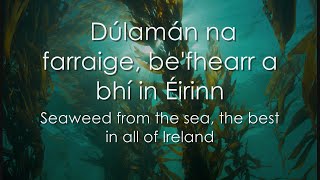
The chorus is the key to the song's meaning. It praises Dúlamán na farraige
and calls it the best in Ireland. On the surface, that sounds like simple local pride. Historically, though, seaweed was useful and valuable in coastal communities, whether as food, fertilizer, or trade goods. That gives the song a practical backbone, not just a whimsical one (Wikipedia).
So when the song keeps returning to seaweed, it is not random nonsense. It ties love talk to survival, status, and place. In a community shaped by the sea, seaweed could stand for wealth, usefulness, and identity all at once.
The Funny Details Are the Point
The verses describe the “seaweed” in human terms, with touches like beautiful black shoes
and a cap or trousers. Those details turn plants into people and people into caricatures. The song gently mocks appearance and social display.
Interpretation: This suggests that the suitor may be trying to impress the family with style, promises, and swagger. The humor comes from how over-dressed and over-described everyone becomes.
Courtship, Bargaining, and a Little Defiance
Another important layer in the meaning of Dúlaman Celtic Woman is negotiation. The suitor offers status items and makes gestures that sound persuasive. There is also resistance from the family, especially around access to the daughter.
One of the most telling moments is the exchange where one side says the man will not get the daughter, and the other pushes back.
You won’t get my daughter
I’d take her with me
This is the article's only multi-line lyric quote, and even here the larger idea matters more than the exact words. The scene sounds half-serious, half-comic. It captures a folk-song world where romance is public, supervised, and argued over.
How Celtic Woman's Sound Changes the Feeling
Celtic Woman did not write the song; the credit is traditional, arranged by Downes. But their performance shapes how modern listeners receive it. Their version places the song in a polished contemporary Celtic setting rather than a rough, local one.
That matters. Bright percussion, tight ensemble singing, and dramatic dynamic lift make the song feel ceremonial and exciting. Instead of hearing only a comic village scene, listeners may hear heritage, grandeur, and cultural pride.
Rhythm Carries Meaning
The arrangement leans into pulse and repetition. That strong rhythmic drive mirrors the song's work-song roots and makes the chorus feel collective. Even without translation, repeated sounds create the sense that the community is affirming something together.
This is one reason the song travels so well outside Ireland. The meaning is partly semantic, but partly physical: the beat, the vocal attack, and the rise of the refrain communicate confidence and celebration.
Two Strong Ways to Read the Song
There is more than one fair reading of “Dúlamán.”
Reading One: A playful courting song
This is the most direct interpretation. The song stages flirtation, family resistance, and comic boasting. Seaweed imagery gives the whole exchange a joking costume.
Reading Two: A praise song for coastal Irish life
Because the chorus keeps honoring the sea's gift as the best in the country, the song can also sound like a celebration of local labor and identity. The personal story may simply be the lively frame around that larger pride.
Both readings fit the text, and Celtic Woman's version makes the second one especially powerful.
Why the Song Still Connects
Part of the meaning of Dúlaman Celtic Woman is its balance of opposites: old and modern, comic and proud, local and global. It comes from a specific Irish-language tradition, yet its energy is easy to feel anywhere.
For many American listeners, the song's mystery is part of the appeal. But the deeper reward comes when they realize it is not vague Celtic mood music. It is a sharp, playful folk piece grounded in real coastal culture.
That is why “Dúlamán” lasts. It turns ordinary materials into poetry, and a small social scene into a living emblem of Irish identity.
Disclaimer: This article mixes documented context with clearly labeled interpretation. Folk songs often carry multiple meanings, and no single reading is final.








