Why ‘Moorlough Shore’ Still Breaks Hearts
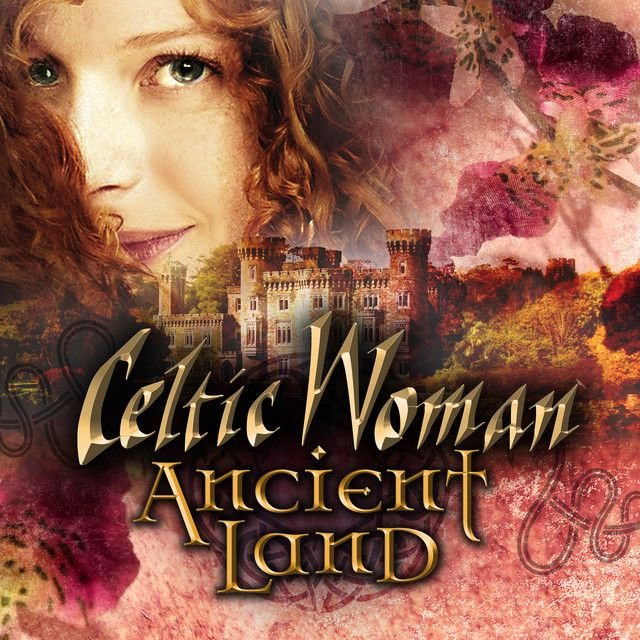
The meaning of Moorlough Shore Celtic Woman becomes clear once they hear how the song joins love, place, and waiting into one sad memory. Celtic Woman did not write the piece; it is a long-traveled traditional Irish song, often called “The Banks of the Moorlough Shore,” and it has been recorded by many artists over time, including Sinéad O’Connor and The Corrs before Celtic Woman’s 2018 version on Ancient Land.^1
"Moorlough Shore" - Celtic Woman
Your vines that blow by Borden's grove, may I never see you more
Where the primrose blows and the violet grows
Loading lyrics...
Unable to load lyrics
We're unable to display the lyrics at this time. Please try again later.
What makes Celtic Woman’s take stand out is how gently they frame the song. They present it less as drama and more as lived sorrow. The result is a ballad that feels timeless, even to listeners in the United States who may not know the place names in the lyric.
A Love Song That Is Really About Loss
At its core, the song tells a simple story. A young man admires a woman and hopes she might choose him. Instead, she says her heart belongs to another man, often described in versions of the song as a sailor or soldier. She vows to wait for him for seven years.
That is the emotional center of the ballad. The speaker is not just rejected. He is rejected by someone whose loyalty is stronger than his own plea. When the lyric recalls the land near Moorlough Shore
, it links heartbreak to home itself. He is not only losing love; he is losing the world that held that love.
Interpretation: This is why the song feels larger than a love triangle. It is about how a person can be exiled emotionally from a place once someone there no longer chooses them.

Watch the official Moorlough Shore
music video
The Landscape Is More Than Scenery
The opening lines spend time on hills, valleys, flowers, and fishing waters before the conversation with the woman even begins. That choice matters. The song first paints a cherished countryside, then reveals the pain attached to it.
Short phrases like flowery vales
and primrose blows
make the setting sound soft and alive. The mention of trout and salmon playing in the water adds a sense of youth and freedom. The speaker remembers taking delight there, which means the past feels almost untouched.
Then the emotional turn arrives. The beauty of the place does not comfort him. It hurts, because memory has made the landscape inseparable from the woman he cannot have.
Why the place names matter
According to reference material on the song’s history, the ballad is associated with the River Mourne area and local names near Strabane.^1 That grounding in a real landscape gives the lyric extra force. It sounds like a song from a community, not a made-up fairy-tale scene.
For Celtic Woman, that rootedness fits their style. They often perform songs where the sense of land and heritage carries as much meaning as the plot itself.^2
The Real Conflict Is Loyalty
The most important exchange in the song is not angry or theatrical. It is calm and final. The woman says she loved an Irish lad, and she will keep loving him. The rejected speaker tries to shake that faith by suggesting the absent man may be gone for good.
That moment reveals both characters. The speaker is wounded enough to hope the rival is lost. The woman, by contrast, answers with patience. Her promise to wait by the shore changes the song’s moral balance. She is not cruel; she is steadfast.
seven years I will wait
by the banks
of the Moorlough shore
This short vow is the song’s hook in emotional terms. It tells listeners that love here is measured by endurance, not by immediate reward.
Interpretation: Some listeners may hear the song as praising the woman’s faithfulness. Others may hear a quiet tragedy in how everyone loses: she waits, the speaker leaves hurt, and the absent man remains only an idea.
How Celtic Woman’s Sound Deepens the Meaning
Celtic Woman recorded “Moorlough Shore” for Ancient Land, released in 2018, with Eabha McMahon featured on the performance.^2 Their arrangement does not overpower the lyric. Instead, it uses the group’s usual strengths—clear vocal tone, controlled phrasing, and soft Celtic instrumentation—to preserve the ballad’s intimacy.
That matters because this song depends on restraint. If sung too dramatically, it could feel melodramatic. Celtic Woman avoid that trap. Their version lets the melody carry the ache, while the instrumentation gives it a drifting, almost tidal motion.
Listeners can hear how the arrangement mirrors the story:
- gentle tempo suggests patience and waiting
- spacious accompaniment reflects distance
- smooth vocal delivery softens bitterness into sorrow
- traditional texture keeps the song tied to folk memory
In plain terms, they sing it like a remembrance, not an argument.
A Traditional Ballad With Long Reach
“The Moorlough Shore” has deep roots in Irish folk tradition. Sources trace printed versions back to the late 19th century, and the song later traveled widely, including to North America through oral tradition and recordings.^1 That long history helps explain why the lyric feels both personal and public.
It is one person’s pain, but it also sounds like inherited wisdom: love may fail, loyalty may endure, and home may become painful to remember. When the speaker implies may I never see you more
, it sounds like a farewell to both a woman and a way of life.
That is a key part of the meaning of Moorlough Shore Celtic Woman: they revive an old ballad whose sadness comes from permanence. Nothing is neatly solved. The song simply leaves the listener on the edge of waiting.
Why the Song Still Connects Today
Modern listeners may not live near Irish shores or know the local geography, but they understand the feeling. Many people have tied a person to a place, then found that both become painful after rejection.
Celtic Woman’s version works because they do not modernize the emotion too much. They trust the old ballad shape. In doing so, they show that the song is still about recognizable human truths: devotion, jealousy, memory, and the ache of being left behind.
In the end, “Moorlough Shore” is less about winning love than about what love leaves behind. The flowers, rivers, and fields stay beautiful, but the speaker cannot return to them unchanged.
Disclaimer: This interpretation separates documented background from informed reading of the lyrics and performance. As with many traditional songs, meaning can vary from listener to listener.







