
You'll Be in My Heart by Celtic Woman
A Promise Song at Its Core
The meaning of You'll Be in My Heart Celtic Woman starts with one simple idea: love as protection. The song speaks like a guardian comforting someone who is scared, lonely, or not fully accepted by the world. Even before the chorus arrives, the message is clear. The voice offers safety, calm, and lasting loyalty.
"You'll Be in My Heart" - Celtic Woman
It will be all right
Just take my hand Hold it tight
Loading lyrics...
Unable to load lyrics
We're unable to display the lyrics at this time. Please try again later.
In this version, Celtic Woman lean into that feeling with a soft, polished performance style. Their approach turns the song into more than a pop ballad. It feels closer to a blessing or a lullaby, which fits the words well.
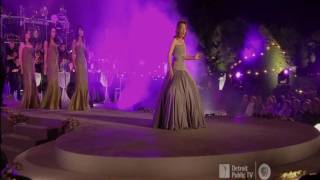
Watch the official You'll Be in My Heart
music video
Where the Song Comes From
Factually, the song was written by Phil Collins for Disney's Tarzan and became one of his best-known ballads. It won the Academy Award for Best Original Song, and Collins' original recording helped define the emotional center of the film, according to the Oscars and Disney's Tarzan materials.
That background matters because the lyric is built around care across difference. In Tarzan, the song supports a bond between parent and child. Celtic Woman's cover keeps that foundation, but their ensemble style makes it feel broader. Listeners can hear it as a parent speaking to a child, a loved one offering comfort, or even a spiritual promise that love stays present through change.
Who Is Speaking, and to Whom?
The speaker sounds protective from the first lines. Phrases like take my hand
and I will protect you
frame the relationship as active care, not just warm feelings. This is someone trying to calm another person in real time.
That matters because the song is not only sentimental. It is practical. The speaker does not just say, "I love you." They say, in effect, "When fear hits, I will stay beside you." That turns affection into duty.
The Heart of the Chorus
The chorus uses the short phrase you'll be in my heart
as a vow of permanence. The image is simple, but strong. A heart here is not just emotion. It becomes a home, a place where the other person remains safe even when distance appears.
Interpretation: In Celtic Woman's version, this refrain can also sound communal. Because their style often carries a group warmth, the promise feels less like one private whisper and more like a shared assurance.
How the Verses Build the Theme
The first verse comforts fear. It tells the listener that crying and panic will pass. Then the next lines deepen the bond by praising the vulnerable person's quiet strength. That balance is important: the song offers comfort without turning the other person into someone weak.
Later, the lyric introduces outside pressure. The song suggests that other people judge what they do not understand. A short phrase like what they can't explain
points to prejudice, suspicion, or social distance. This expands the song from a private lullaby into a defense of love that does not fit easy categories.
When destiny calls you
You must be strong
I may not be with you
But you've got to hold on
This is the turning point. The promise changes from immediate protection to long-term guidance. Love will remain, but it cannot always remove hardship. Instead, it gives strength for the future.
Difference, Acceptance, and the Wider Meaning
One of the song's most lasting ideas is that deep connection can exist even when the world sees two people as different. The lyric argues that surface differences are less important than shared feeling. That is one reason the song has lasted for so many listeners.
Interpretation: In a Celtic Woman setting, that theme of acceptance can feel even larger. Their music often blends classical polish, folk color, and crossover emotion. Because of that, the song can sound universal rather than tied to only one story. It can be heard at weddings, memorials, family events, and moments of personal healing.
Why Celtic Woman's Sound Fits So Well
Celtic Woman are known for sweeping vocals, elegant arrangements, and a polished blend of Celtic and adult contemporary textures. That style suits this song because the melody already carries tenderness. Their version likely emphasizes sustained notes, clean harmonies, and a gentle rise in dynamics rather than dramatic tension.
That production choice changes how the message lands. Phil Collins' original has the directness of a pop soundtrack ballad. Celtic Woman's take softens the edges. The arrangement makes the song feel timeless, almost hymn-like, which supports its themes of devotion and emotional shelter.
Instrumentation and Emotional Effect
The song works best when the accompaniment stays supportive. Light piano, strings, and airy backing layers underline the words without crowding them. If Celtic textures are added through phrasing or orchestral color, they make the promise sound warmer and more ceremonial.
This matters because the lyric is emotionally plainspoken. The music has to lift that simplicity, not complicate it. Celtic Woman's style usually understands that balance.
Why the Song Still Connects
Part of the reason this song remains so beloved is that it speaks to several relationships at once:
- parent and child
- partners facing hardship
- friends separated by time or distance
- anyone needing reassurance
The words are easy to understand, but not shallow. They say that love does not erase pain, public judgment, or destiny. It simply refuses to disappear.
That is the center of the meaning of You'll Be in My Heart Celtic Woman: lasting love expressed as comfort, loyalty, and faith during change. Their version highlights the tenderness in the song and gives it a serene, almost sacred glow.
Final Thought
Celtic Woman's performance brings out the song's gentlest truth: real love protects, but it also prepares. It holds someone close, then helps them stand on their own.
This article offers interpretation based on the lyrics, known song history, and the style associated with Celtic Woman. Meaning can vary from listener to listener.








