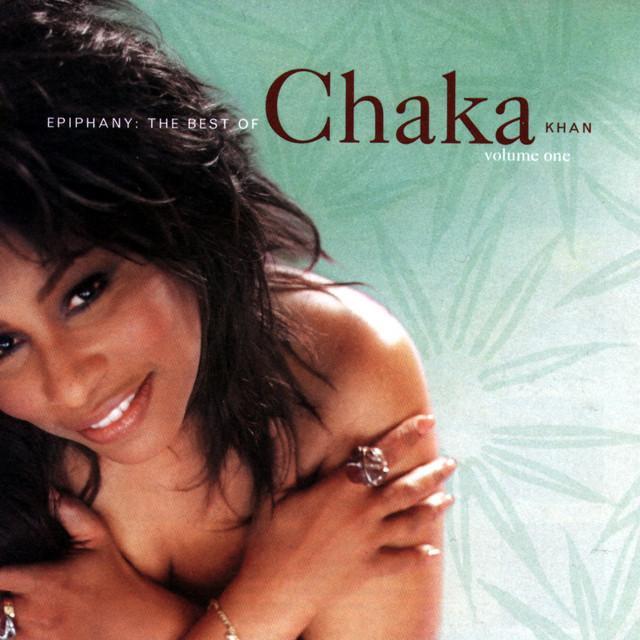
Why 'I'm Every Woman' Still Feels Powerful
The meaning of I'm Every Woman Chaka Khan starts with a simple idea: this is not just a song about one person feeling confident. It is a song about collective power. In Chaka Khan's hands, the track becomes a joyful statement that women hold many kinds of strength at once—emotional, creative, sensual, practical, and protective.
"I'm Every Woman" - Chaka Khan
It's all in me
Anything you want done, baby
Loading lyrics...
Unable to load lyrics
We're unable to display the lyrics at this time. Please try again later.
Released in September 1978 as Khan's debut solo single from Chaka, the song was written by Nickolas Ashford and Valerie Simpson and produced by Arif Mardin. It went to No. 1 on the U.S. R&B chart and helped launch her solo career after Rufus. Those facts matter because the song arrived as both a personal breakthrough and a public declaration.
More Than Confidence, More Than Bragging
On the surface, the lyric sounds bold. The singer says I'm every woman
and it's all in me
. But the deeper point is not that one person can literally do everything. The song uses exaggeration to express how wide women's abilities can be.
That idea becomes clearer in Khan's own explanation. As reported by American Songwriter, she said the song speaks in a "collective" way. In other words, the voice stands for many women together, not one superhero. That reading makes the song feel less like ego and more like solidarity.
Interpretation: The lyric works because it blends the singular and the shared. One singer speaks, but the message belongs to a group.
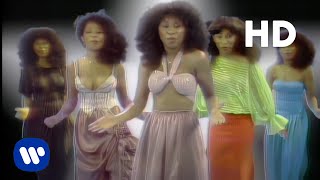
Watch the official I'm Every Woman
music video
How the Verses Build a Mythic Woman
The verses list powers that feel half-real and half-magical. The singer can sense needs, calm fear, inspire passion, and cut through confusion. Phrases like cast a spell
and read your thoughts
make her sound almost supernatural.
Still, the song does not need to be taken literally. These images dramatize skills people often expect women to carry: intuition, care, emotional intelligence, and resilience. The magical language lifts everyday labor into something grand.
There is also a maternal edge in the promise to appear when danger or fear arrives. That turns the singer into more than a lover. They become a protector and guide.
A Quick Map of the Song's Movement
- It opens with a huge identity claim.
- It expands that claim through images of intuition and mystery.
- It shifts into service, comfort, and love.
- It returns to the chorus, now sounding bigger and more communal.
That structure is why the hook sticks. Each verse gives the title more weight.
The Chorus Turns Identity Into an Anthem
The chorus is short, catchy, and direct. When the song repeats anything you want done
, it could sound submissive in another context. Here, though, it feels different because of the tone. Khan sings with command, not surrender.
That distinction matters to the meaning of I'm Every Woman Chaka Khan. The singer is not pleading to be needed. They are announcing capability. They can handle the task naturally
, which suggests power without strain.
Interpretation: The hook transforms traditional ideas about women's work. Instead of invisible duty, it becomes visible mastery.
Why the Sound Makes the Message Land
The production is a big reason the song still hits. Arif Mardin gives it a disco-soul frame that feels sleek but warm. The groove pushes forward, while the bass, drums, piano, and guitar keep everything buoyant instead of heavy.
That matters because the song is about power, but not anger. Its rhythm makes empowerment feel celebratory. People do not just hear the message; they move with it.
Khan's vocal is central too. She does not sing the song as a neat slogan. She belts, glides, and punches key lines with a mix of grit and glow. That voice makes the claims believable. Even when the lyric borders on myth, the performance sells it as lived truth.
Artist Context Gives the Song Extra Weight
This track arrived at a key moment. Khan was already known from Rufus, but this single introduced her as a solo star. That context adds another layer: a woman stepping into her own spotlight with a song about total capability.
Ashford & Simpson also gave the track strong roots. Valerie Simpson recalled that the title came together quickly while they were writing at home, and the pair understood they had something special. Later, Simpson said it became very much a woman's anthem.
Its legacy proves the point. The song has remained popular for decades, inspired a major Whitney Houston cover, and continues to appear on best-of dance lists and anthem rankings. That long life suggests its message still feels useful.
One Song, Two Strong Readings
There are at least two solid ways to hear it:
- Empowerment reading: It celebrates women as complex, capable, and self-possessed.
- Collective reading: It speaks for many women at once, turning one voice into a chorus of shared identity.
Both readings fit the lyrics and the public response. The song feels personal enough to sing alone and broad enough to belong to a crowd.
Why It Endures
What keeps the song alive is its balance. It is glamorous without being shallow, assertive without being cold, and broad enough to invite many listeners in. The singer sounds powerful, but also generous.
That is why the meaning of I'm Every Woman Chaka Khan still resonates in the U.S. and beyond. It offers a vision of womanhood that is not small or fixed. It is expansive, skilled, sensual, and shared.
Disclaimer: This interpretation mixes documented context with critical reading. Like any great song, I'm Every Woman can support more than one meaning.







