
Why “Ridin’” Still Hits a Nerve
The meaning of Ridin' Chamillionaire, Krayzie Bone starts with a car ride, but it quickly becomes something heavier. On the surface, the song sounds like a cruising record: loud speakers, tinted windows, chrome, and a slow roll through the city. Under that style, though, they build a story about being watched by police, judged by appearances, and forced to live with constant suspicion.
"Ridin'" - Chamillionaire, Krayzie Bone
Patrolling they try to catch me ridin dirty
Try to catch me ridin dirty
Loading lyrics...
Unable to load lyrics
We're unable to display the lyrics at this time. Please try again later.
Released as a single from The Sound of Revenge in 2005, “Ridin’” became a major hit in 2006, reaching No. 1 on the Billboard Hot 100 and later winning the Grammy for Best Rap Performance by a Duo or Group. Those facts matter because they show how widely its message traveled: a song rooted in Southern rap detail became a national pop hit while talking about profiling and police pressure.
More Than a Car Anthem
The hook is famous because it condenses the whole conflict into one simple fear. When they repeat they see me rolling
and try to catch me ridin dirty
, they are not just bragging about a flashy ride. They are describing a mindset in which a normal drive feels like a chase before anything even happens.
Interpretation: the phrase “riding dirty” works on two levels. In rap slang, it can mean driving with contraband or something that could lead to trouble. But in this song, the phrase also becomes a symbol for how police may assume guilt first and ask questions later.
That is why the song feels tense even when they sound cool. The confidence in the delivery does not erase the fear. It masks it.
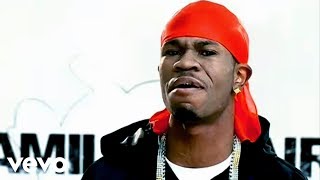
Watch the official Ridin'
music video
The Story Inside the Verses
Chamillionaire’s verses give the song its clearest social angle. He describes loud music, tinted glass, and officers trying to inspect tags and the car itself. He also points to what he sees as bias, using the phrase racial profiling
to name the pattern directly.
The verses move in a clear sequence:
- They are driving and drawing attention.
- Police begin watching and following.
- The driver reads every move as possible escalation.
- The stop becomes a test of power, image, and control.
This is what makes the song more than a radio hook. It captures how routine driving can feel loaded when someone believes they are already under suspicion.
Krayzie Bone’s verse raises the stakes. His part is more frantic and volatile, filled with swerving, drinking, smoking, and panic about getting home before the police notice too much. Even when the details become exaggerated or reckless, the emotional point is clear: the pressure of the stop is already shaping behavior.
Houston Style, National Anxiety
Part of the song’s power comes from how local it feels. Chamillionaire references Houston car culture, slowed-down movement, and the influence of DJ Screw. When he mentions Houston TX
and driving tipping slow
, they place the song inside a distinct Southern rap world rather than making a generic protest record.
That local texture matters. It shows that the song’s meaning grows out of real scenes, real habits, and real public space. Cars are not just transportation here. They are identity, pride, freedom, and visibility.
So when police attention enters that space, it feels personal. The car becomes a stage where status and danger meet.
How the Sound Carries the Message
“Ridin’” was produced by Play-N-Skillz, with Chamillionaire also credited as a producer. The beat is restrained but heavy, built around a dark, creeping groove that leaves a lot of open space. That space is important: it lets every line feel like it is looking over its shoulder.
The tempo never rushes, yet the song feels nervous. That is a smart contrast. The ride is physically slow, but mentally it is on edge.
Krayzie Bone’s quick, twisting flow adds another layer. Next to Chamillionaire’s smoother delivery, his voice sounds like adrenaline hitting the bloodstream. One rapper sounds composed; the other sounds like the pressure is breaking through. Together, they create the track’s central contradiction: calm posture on the outside, alarm on the inside.
Why the Chorus Became So Big
The chorus stuck because it is catchy, but also because it names a recognizable experience in plain language. A listener does not need every regional reference to understand the feeling of being monitored. The repeated line they hating
turns the police gaze into something emotional as well as legal: not just enforcement, but resentment, envy, or hostility.
Interpretation: that may be why the song crossed over so strongly. It works as a street record, a radio hook, and a social complaint all at once.
Its success was huge. It topped the Hot 100, spent 31 weeks on the chart, and became one of 2006’s biggest songs. The music video also pushed the message further by showing an abusive officer and comparing police treatment to staged combat, making the power imbalance visual as well as lyrical.
Final Take on the Song’s Meaning
The meaning of Ridin' Chamillionaire, Krayzie Bone is not simply that they are avoiding police. It is that they are moving through a world where being seen can itself become a risk. The song turns a ride through the city into a portrait of suspicion, performance, and survival.
That is why “Ridin’” lasted. It has the style of a hit single, but the pressure of a social document. Interpretation: even when the verses include bravado and exaggeration, the deeper message is about how policing changes the feeling of everyday life.
Disclaimer: This reading is an interpretation based on the lyrics, artist context, and public reception; songs can support more than one valid meaning.







