Why Cher's Hit Still Hurts So Good
The meaning of If I Could Turn Back Time Cher is simple on the surface and powerful underneath: it is a song about saying the wrong thing, letting pride take over, and realizing too late what that damage cost. What makes it last is not just the idea of regret. It is the way Cher turns regret into something huge, dramatic, and easy to feel.
"If I Could Turn Back Time" - Cher
If I could find a way
I'd take back those words that hurt you
Loading lyrics...
Unable to load lyrics
We're unable to display the lyrics at this time. Please try again later.
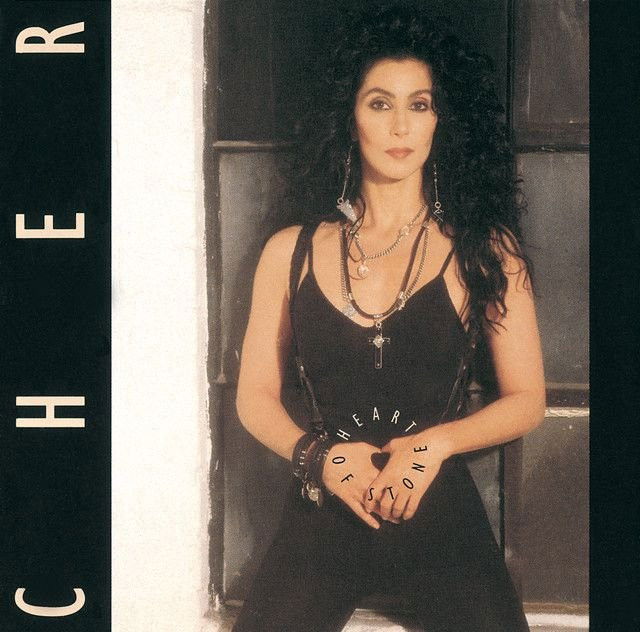
Released in 1989 as the lead single from Heart of Stone, the song was written by Diane Warren and produced by Warren with Guy Roche. It became one of Cher's biggest hits, reaching No. 3 on the Billboard Hot 100 and No. 1 in Australia, according to widely cited chart histories and certification data.If I Could Turn Back Time - Wikipedia That commercial success matters because it shows how widely this message connected: almost everyone knows the feeling of wanting one moment back.
The Heart of the Song Is Regret
At its core, the song follows a speaker who understands that a relationship did not end because love vanished. It ended because hurtful words were said and never stopped in time. The hook, If I could turn back time
, is not science fiction. It is emotional shorthand for wishing they had better control over anger, ego, and fear.
The verses make that regret specific. The speaker admits they caused pain and now sees the breakup clearly. When the lyric compares pride to a blade and says words are like weapons
, the song shows how emotional injury can feel as real as a physical wound. That image is simple, but it lands because many listeners have lived through an argument that changed everything.

Watch the official If I Could Turn Back Time
music video
Who the Speaker Is Talking To
This is a direct address song. The speaker is talking to an ex-partner, but also, in a way, to their past self. They are not blaming the other person. They are replaying their own mistakes.
That is why lines like you'd stay
matter so much. The wish is not only to feel less guilty. The wish is to reverse the exact moment that drove the loved one away. The song's emotional force comes from that painful clarity: they know what went wrong, but knowing arrives after the loss.
Pride Is the Real Villain
One of the strongest ideas in the lyric is that pride blocks honesty. The speaker suggests they acted tough when the other person left, then later realized they had lost everything. In plain terms, they were too stubborn to say sorry when it still might have helped.
Interpretation: This makes the song more than a breakup ballad. It becomes a warning about emotional self-protection. People often act cold not because they do not care, but because they care too much and do not want to look weak. Here, that defense backfires.
The phrase too proud
captures the whole trap. The speaker is not confused anymore. They understand that silence and ego caused damage that love alone could not fix.
Why the Chorus Feels So Big
The chorus works because it combines an impossible idea with a very human wish. Nobody can literally reverse time, but almost everyone has wanted to take back one cruel sentence. The song scales that feeling up with grand imagery, especially when the speaker says reach the stars
. That line means they would do anything, even something impossible, if it could restore the relationship.
If I could turn back time
If I could find a way
the speaker imagines undoing the damage
and keeping love from leaving.
That is the one multi-line moment listeners remember: a fantasy of repair. It is not realistic, and that is the point. Regret often thinks in impossible bargains.
How the Sound Carries the Meaning
Musically, the track sits between pop rock and soft rock, with guitars, piano or keyboards, and firm drums supporting Cher's voice.If I Could Turn Back Time - Wikipedia Critics have described it as a well-produced sing-along and a soft-rock anthem.If I Could Turn Back Time - Wikipedia That helps explain why such a private emotion feels so public.
The production does two important things:
- It gives the verses enough space for confession.
- It makes the chorus explode into a communal release.
Cher's vocal is key. They sing the lyric with force rather than softness, which changes the meaning slightly. This is not whispered shame. It is full-volume remorse. That choice keeps the song from collapsing into self-pity. Instead, it sounds defiant, wounded, and desperate all at once.
Cher, Diane Warren, and the Song's Extra Layer
There is also useful context behind the recording. Diane Warren has said Cher initially did not respond to the demo, and Warren pushed hard for them to record it before Cher finally agreed.If I Could Turn Back Time - Wikipedia That story fits the finished song in an odd way: the track itself is about resistance giving way to truth.
The video added another layer to its legacy. Directed by Marty Callner and filmed aboard the USS Missouri, it became highly controversial and was limited by MTV to late-night rotation after backlash over Cher's outfit and the setting.If I Could Turn Back Time - Wikipedia But while the visuals were bold and rebellious, the lyric stayed emotionally exposed. That contrast may be one reason the song became such a durable Cher signature.
The Lasting Meaning
So, what is the meaning of If I Could Turn Back Time Cher? It is the sound of hindsight arriving too late. It shows how love can survive an argument in memory but not in real life, and how pride can ruin what the heart still wants to save.
Interpretation: The song lasts because it does not promise healing. It only tells the truth that many people discover after loss: an apology delayed can become a fantasy instead of a fix.
That is why listeners still come back to it. Beneath the giant chorus and star-level drama, it says something painfully ordinary: sometimes the one thing people want most is one more chance to speak differently.
Disclaimer: This interpretation is based on the lyrics, recording context, and public reception, but song meaning can remain personal and open to different readings.
Sources
- https://en.wikipedia.org/wiki/If_I_Could_Turn_Back_Time
- https://www.riaa.com/gold-platinum/?tab_active=default-award&ar=Cher&ti=If+I+Could+Turn+Back+Time&format=Single&type=#search_section
- https://www.latimes.com/archives/la-xpm-1989-11-17-me-1483-story.html
- https://www.billboard.com/articles/news/6176196/diane-warren-reveals-chers-reaction-to-if-i-could-turn-back-time-f-you-bitch