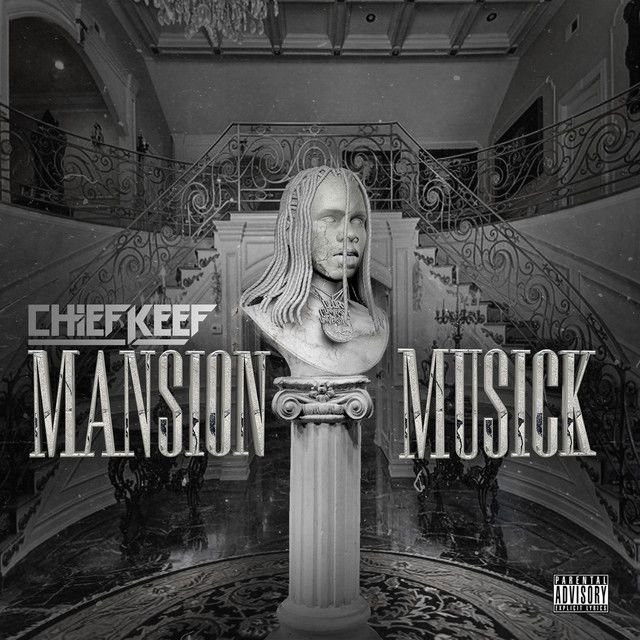
What 'Uh Uh' Says About Keef and Carti
The meaning of Uh Uh Chief Keef, Playboi Carti starts with refusal. The song is not built like a deep confession or a detailed story. Instead, it works like a blunt mood piece. Chief Keef piles up images of drugs, weapons, status, and street pressure, then turns the hook into a repeated rejection: they will not explain, cooperate, or soften their stance.
"Uh Uh" - Chief Keef ft. Playboi Carti
GBE, baby
Bang
Loading lyrics...
Unable to load lyrics
We're unable to display the lyrics at this time. Please try again later.
That matters because Chief Keef has long been one of drill music's defining voices, especially after his early rise in Chicago rap, documented by outlets like The New York Times. Playboi Carti, credited as a writer here under Jordan Carter, comes from a different lane: airy ad-libs, hypnotic repetition, and punk-like attitude, as covered by The Fader. In "Uh Uh," those styles meet around one central idea: survival-minded defiance.
A Hook Built on Refusal
The chorus gives the song its core meaning. When Chief Keef repeats uh-uh
and pairs it with I can't tattletale
, they turn a simple sound into a code. The phrase does not just mean "no." It means no cooperation, no confession, and no access.
Interpretation: This is why the hook feels bigger than the words themselves. It acts like a wall. The song keeps shutting the listener out on purpose, which fits a world where trust is scarce and speaking too much can be dangerous.
That same pattern also gives the track its hypnotic force. The repeated negatives become a rhythm of resistance. They are not trying to persuade anyone. They are drawing a hard line.
Watch the official Uh Uh
music video
Street Power, Not Personal Intimacy
On the verse level, Chief Keef presents a cramped, intense environment. They mention too much dope in here
and too many guns in here
, which paints the room as overloaded with risk and excess. The point is less realism than atmosphere: everything feels dangerous, crowded, and one step from chaos.
Even flashes of luxury, like a woman wearing Chanel, do not soften the picture. In this song, designer fashion is not romance. It is another sign of status inside a hard world. The same goes for the casual treatment of relationships. People move through the song like accessories, allies, or threats, not emotional anchors.
This is one reason the track can feel cold. It is not trying to open up emotionally. It is trying to project control, or at least the appearance of control, in a setting full of instability.
How the Verse Expands the Threat
A lot of drill and trap songs use exaggeration, punch lines, and violent boasts as performance. "Uh Uh" does the same. When Chief Keef talks about force and retaliation, the verse keeps escalating rather than settling into a clear plot.
Heat in my hand
no oven mitt
Those short lines show how the song turns danger into swagger. They compress threat into a joke-like image. That mix of menace and play is important to Chief Keef's style: the lines sound almost tossed off, which can make them feel even harsher.
Interpretation: The verse is not really asking the listener to track events step by step. It asks them to absorb a posture. They are hearing someone present themselves as untouchable, amused, and fully committed to their code.
Why the Sound Matters So Much
The production is crucial to the meaning of Uh Uh Chief Keef, Playboi Carti. Chief Keef is also credited as a producer under his legal name, Keith Cozart, with Jordan Jenks listed as a writer. That matters because Chief Keef's music often blurs writing, performance, and beat-making into one raw aesthetic.
Here, the beat leaves room for chant-like repetition, ad-libs, and blunt percussive impact. The sound is skeletal rather than lush. That sparseness makes every repeated phrase hit harder. The beeps, grunts, and callouts feel almost mechanical, like warning sounds in a hostile zone.
Carti's influence is especially noticeable in the song's texture, even if the track is more Keef-led than balanced duet. The vocal style leans on repetition not as filler, but as design. In modern trap, repetition can create trance. In "Uh Uh," it creates pressure.
A Meeting Point Between Two Rap Styles
Chief Keef and Playboi Carti make sense together because both artists know how to turn minimal language into strong identity. Chief Keef helped shape drill's stark aggression, while Carti became known for ad-lib heavy, vibe-first rap that values cadence as much as detail. Sources like Pitchfork and Rolling Stone have traced how both artists influenced later rap scenes.
In this track, those approaches overlap. The song does not aim for storytelling complexity. It aims for immediacy. Every repeated sound, every threat, and every tossed-off flex says the same thing: they are present, armed with status and danger, and not interested in outside judgment.
The Deeper Meaning Beneath the Bragging
So what is the song really about? At the surface, it is a flex track full of street imagery. Beneath that, it is about boundaries. The repeated refusal in the hook suggests a world where silence is power, speech is liability, and identity is protected through performance.
Interpretation: The song may also reflect how both artists use persona. They turn themselves into symbols of refusal: not just refusing to "tell," but refusing vulnerability, softness, and explanation. That does not make the track morally simple or emotionally warm. It makes it effective at capturing a hard, defensive mindset.
Final Read on 'Uh Uh'
The meaning of Uh Uh Chief Keef, Playboi Carti is less about narrative and more about stance. Its hook turns "no" into a lifestyle, while its beat and imagery build a tense world of paranoia, status, and threat.
That is why the song sticks. It does not ask to be understood in full. It asks to be felt as pressure, repetition, and refusal.
Disclaimer: This article offers informed interpretation based on the lyrics, credits, and artist context. Meanings in music can vary from listener to listener.
Sources
- https://www.nytimes.com/2012/12/23/arts/music/chief-keef-a-teenage-rap-star-rises-in-chicago.html
- https://www.thefader.com/2017/04/11/playboi-carti-cover-story
- https://pitchfork.com/features/article/the-10-most-influential-chicago-drill-songs/
- https://www.rollingstone.com/music/music-features/playboi-carti-cover-story-754605/









