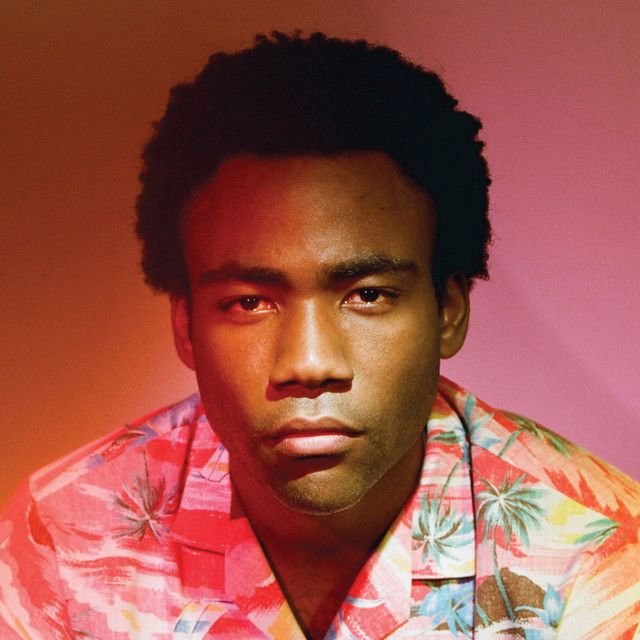
I. Pink Toes by Childish Gambino, Jhené Aiko
A bright hook with a darker core
The meaning of I. Pink Toes Childish Gambino, Jhené Aiko sits in a sharp contrast: the song sounds warm, colorful, and almost dreamy, yet its story is tied to money, status, and danger. Released on Childish Gambino’s 2013 album Because the Internet, the track pairs Donald Glover’s sly writing with Jhené Aiko’s soft, distant singing to paint a world where luxury feels beautiful and unstable at the same time.
"I. Pink Toes" - Childish Gambino ft. Jhené Aiko
Rainbows, sunshine, go
Rainbows, sunshine
Loading lyrics...
Unable to load lyrics
We're unable to display the lyrics at this time. Please try again later.
At first, the repeated image of Rainbows, sunshine
sounds simple and happy. But the verses quickly complicate that mood. They describe a lifestyle built on image, fast cash, and illegal hustle, while the chorus makes that world feel seductive instead of safe.

Watch the official I. Pink Toes
music video
What the song is really about
At its core, the song seems to be about fantasy as survival. The two voices are close to a drug-dealing world, but they do not describe it in a fully realistic, documentary way. Instead, they filter it through color, shine, and desire.
Interpretation: the track presents wealth as a kind of dream state. In that dream, beauty can hide risk, and love can become tied to financial escape. When the song moves between brags, coded street details, and glowing imagery, it suggests that the characters want more than money. They want a way out of ordinary struggle, even if the route is morally messy.
The title also matters. “Pink toes” can point to intimacy, beauty, and a body-level kind of desire. It fits the song’s interest in surfaces: style, hair, gold, color, and touch. Nothing in the song feels plain. Everything is heightened.
Two voices, one shared illusion
One reason the song works so well is the contrast between Childish Gambino and Jhené Aiko. Gambino’s verses are detailed, witty, and restless. Aiko’s section is smoother and more emotional, which makes the relationship at the center feel more human.
When Gambino raps lines around appearance and attention, including life is better
, he sounds like someone trying to prove that success changes everything. The language is performative on purpose. They are not just living the lifestyle; they are selling its image.
Aiko’s verse shifts the angle. She sings about staying with a man others warn her against, and she ties loyalty to the possibility that he could take her far away
. That matters because the song stops being only about flexing. It becomes about attachment to a dangerous promise.
The chorus turns crime into color
The hook is the song’s key. Repeating Rainbows, sunshine
over and over transforms the mood of the verses. What should sound harsh begins to feel soft-focus, almost like a commercial or a memory.
Interpretation: that contrast may be the point. The chorus could represent how people romanticize harmful lifestyles when they are wrapped in style and money. Bright colors act like a filter over ugly facts.
There is also a subtle tension in the repeated chants around coded phrases like Act like you know
and the robotic joke of C3PO
. These ad-libs sound playful, but they also make the world feel automatic and detached, as if everyone is performing roles in a system bigger than them.
Symbols of glamour and instability
Several images keep returning, and each one adds to the meaning of I. Pink Toes Childish Gambino, Jhené Aiko.
Color, shine, and altered perception
The song is full of vivid sensory language. Gambino notices how the world and even the girls look different. That suggests more than simple attraction. It hints at altered perception, whether from wealth, lust, drugs, or ego. The bright palette makes reality feel warped.
Gold and display
When the song mentions being dressed up in gold
, it pushes the idea of ornament and armor at once. Gold signals value and success, but it can also suggest someone being turned into an object to admire. In this song, appearance becomes part of survival.
Time running out
Near the end, the repeated idea of being out of time changes the emotional temperature. After all the glow, the song suddenly feels finite. That phrase undercuts the fantasy and reminds the listener that this kind of life burns fast.
How the production shapes the meaning
Musically, the track helps sell the contradiction. Because the Internet is known for blending rap, R&B, and experimental textures, and “I. Pink Toes” fits that style well. The beat feels light on the surface, but it carries a hazy, narcotic calm underneath, making the song sound both inviting and emotionally removed.
Jhené Aiko’s airy delivery is especially important. Her voice does not attack the beat; it floats over it. That softness makes the song’s harder details seem even more dreamlike. Gambino, by contrast, sounds more grounded and alert, so the track keeps switching between seduction and commentary.
Why the song still stands out
Part of the reason listeners return to this track is that it never fully picks a side. It does not read like a clean condemnation, but it is not simple praise either. It shows how people can be drawn to a life that offers beauty, money, romance, and danger all at once.
That tension fits Childish Gambino’s larger work from the Because the Internet era, which often examined performance, identity, and emotional distance. Here, those ideas become intimate. The characters do not just chase status; they chase a feeling that the world could become brighter, easier, and more beautiful.
The takeaway behind the glow
The meaning of I. Pink Toes Childish Gambino, Jhené Aiko is less about celebration than temptation. Its sunny hook masks a story about risky love, fantasy, and the cost of chasing escape through money and image.
In other words, the song’s beauty is the message. It shows how easily people can confuse shine with safety.
Disclaimer: This interpretation is based on the song’s lyrics, performance, and album context, and other listeners may hear it differently.








