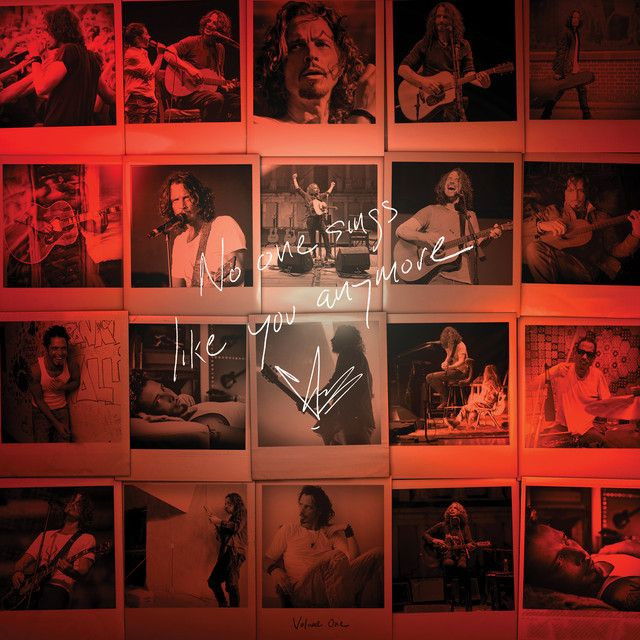
Why 'Sad Sad City' Feels So Empty
The meaning of Sad Sad City Chris Cornell comes down to a painful contrast: people are moving, chasing, and pretending, but inside they are worn out and disconnected. The song sounds like a late-night drive through a place full of noise and motion, yet it keeps returning to one blunt idea—fun means very little when the emotional world underneath it is falling apart.
"Sad Sad City" - Chris Cornell
Feeling overheated 'cause my life keeps coming
My heart's been troubled by the speed of love
Loading lyrics...
Unable to load lyrics
We're unable to display the lyrics at this time. Please try again later.
Chris Cornell recorded the song for the soundtrack to Machine Gun Preacher, while the composition itself is credited to Aaron Behrens and Thomas Turner. That factual background matters because it helps explain why the song feels both cinematic and personal: it carries Cornell’s voice and emotional stamp, even though he did not write it.
A City Full of Motion, Not Meaning
From the start, the song presents a person who is overloaded. When they describe life as constantly rushing and their emotional engine running too hot, the image suggests burnout, not excitement. The movement is relentless, but it does not bring relief.
That is a big key to the song’s message. The city is not just a location. It acts like a symbol for modern life: crowded, fast, seductive, and spiritually empty. The singer looks through public spaces for some kind of moral center, but what they find feels thin and false.
Interpretation: the song treats the city as a place where desire and pity are discussed, but not truly healed. In other words, people talk about human feeling, but they do not live it honestly.
Watch the official Sad Sad City
music video
The Real Emotional Core Is the Plea
The strongest turn in the song comes when the social picture becomes intimate. After describing confusion and falsehood, the narrator stops analyzing the world and asks for something basic: to be loved, held, and told the truth.
That is why the repeated line matters so much. The song is not only criticizing society. It is also exposing need. The short phrase tell me the truth
becomes the emotional center because it cuts through all the noise around it.
Instead of wanting status, escape, or thrill, the singer wants honesty. That makes the song feel deeply human. Beneath the urban darkness, they are asking whether real connection is still possible.
Why the Chorus Hits So Hard
The chorus is simple and memorable: sad, sad city
. It sounds almost chant-like, which gives it the feel of a hard-earned conclusion. After all the searching and all the speed, the singer has judged the whole environment.
Here, the song makes its clearest point. A party normally stands for release, nightlife, and temporary freedom. But the refrain says there is ain't no party
in a place this emotionally damaged. The surface may still look alive, but the spirit is gone.
Ain't no party
in a sad, sad city
That two-line hook works because it is broader than one relationship. It can describe a collapsing romance, a hollow social scene, or even a culture that confuses stimulation with joy.
Images of Risk, Violence, and Damage
The verses are packed with sharp images. One line about roll the dice
turns life into a gamble, while another about pack of lies
paints social life as predatory. These are not relaxed scenes. They suggest danger, performance, and bad choices that keep repeating.
Then the song shifts into stranger imagery, including distance, lost love, and something broken on the floor. The effect is important. It shows how emotional damage can feel both cosmic and domestic at once. A person can feel far from everyone, then suddenly face the wreckage right in front of them.
Interpretation: the shattered object image may symbolize a relationship that once felt beautiful but now lies ruined. The broken vase is especially effective because it turns love into something fragile, decorative, and easily destroyed.
How Cornell’s Voice Carries the Meaning
Cornell was known for blending force with vulnerability, and this song needs exactly that mix. The arrangement pushes forward like a rock song built for motion, but his vocal tone keeps pulling it back toward pain. He does not sound like someone celebrating city life. He sounds like someone surviving it.
That tension is what gives the track its weight. The beat and guitars create forward drive, while the vocal phrasing adds strain and longing. Even when the chorus opens up, it does not feel triumphant. It feels like a warning shouted over the crowd.
For listeners familiar with Cornell’s catalog, that emotional style fits his broader body of work, which often explored isolation, truth, and spiritual fatigue. This song uses those same strengths in a tighter, soundtrack-ready frame.
Two Strong Ways to Read the Song
There are at least two convincing readings of the meaning of Sad Sad City Chris Cornell:
A personal relationship in ruins
The repeated plea for love and honesty suggests that the singer may be addressing one person. In that reading, the city reflects the state of the relationship: crowded with distraction, but empty of trust.
A social critique dressed as a love song
The wider imagery points beyond romance. The song can also be heard as a critique of a culture built on speed, appetite, and deception. In that version, the need for truth becomes a moral cry, not just a romantic one.
Both readings work because the song keeps the personal and public closely linked.
The Lasting Takeaway
What makes this song resonate is its refusal to confuse movement with meaning. It knows that a loud world can still be lonely, and that pleasure without honesty feels dead on arrival.
In the end, the song says a broken city is really made of broken connections. When truth disappears, even the liveliest place becomes emotionally vacant.
Disclaimer: This interpretation is based on the released lyrics, performance, and available song context. As with most songs, listeners may hear meanings that differ from this reading.









