
What 'Seasons' by Chris Cornell Really Means
The meaning of Seasons Chris Cornell comes down to a simple but heavy idea: time keeps moving, but the speaker feels emotionally stuck. Chris Cornell wrote and performed the song for the world around Singles, the Cameron Crowe film that captured the Seattle scene in the early 1990s. Factually, Cornell appears in the film, and the song is tied to that soundtrack era of his career through well-documented coverage of the movie and its music.
"Seasons" - Chris Cornell
Are stolen as the old moon falls
And my mirror shows another face
Loading lyrics...
Unable to load lyrics
We're unable to display the lyrics at this time. Please try again later.
Even without big production or a loud band behind it, “Seasons” feels enormous. Its acoustic setting turns inward, making the song sound like a private confession that just happens to be sung out loud.
The Song's Core Wound
At its heart, the song follows a person who cannot fully say what they feel. The key emotional problem is not only sadness. It is blockage. The speaker seems aware of their pain, but they cannot turn it into action or even clear language.
That is why the repeated idea of being lost, behind
matters so much. They are not only sad; they are out of step with life itself. The title image of seasons changing makes that worse, because nature moves on whether the person is ready or not.
Interpretation: this is less a story with plot than a portrait of inner paralysis. The song captures the sensation of watching life pass while feeling unable to join it.
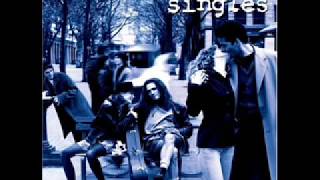
Watch the official Seasons
music video
A Mind Trapped Between Hiding and Speaking
Early lines set up a split between outer appearance and inner truth. When the song mentions a mirror showing another face
, it suggests identity slipping or becoming hard to recognize. The person looking back may be a mask, a defense, or a version of the self shaped by pain.
The idea of finding another place to hide it all
pushes that further. The speaker does not just feel hurt; they seem practiced at concealment. That makes the later confession about missing words even more important. They want expression, but they have learned hiding first.
Why the chorus hits so hard
The chorus is simple, but that simplicity is the point. The phrase words I'll never find
turns the whole song into a struggle with language. They have something urgent to say, yet they cannot fully reach it.
That tension gives the song its emotional realism. Many people do not experience pain as a neat statement. They experience it as fragments, images, weather, and bodily feeling. “Seasons” is built from exactly that kind of broken knowing.
Nature Imagery That Refuses Easy Comfort
A lot of songs use nature to sound peaceful. “Seasons” does almost the opposite. Summer, moonlight, storms, rain, and changing weather all appear, but they do not heal the speaker. They mainly show contrast between the natural world's motion and the narrator's stagnation.
One of the song's sharpest images is the wish to rise above trouble, followed by the realization that you can't grow feathers in the rain
. In plain terms, they want escape, transcendence, maybe even rebirth, but the conditions around them make transformation impossible.
That line also connects to the dream imagery. The song says dreams are not enough. Fantasy does not build a life. Sleep does not solve what waking life still demands.
If I should be short on words
And long on things to say
Those lines are the emotional center of the song. They restate the same conflict in a gentler, more vulnerable way. Instead of only describing alienation, the speaker asks to be understood despite their inability to explain themselves.
How the Sound Carries the Meaning
Part of the meaning of Seasons Chris Cornell lies in its arrangement. The song is driven by acoustic guitar, with a dry, intimate feel that keeps the listener close to every pause and crack in Cornell's voice. There is very little between the singer and the listener, which mirrors the song's emotional exposure.
That sparseness matters. In Soundgarden, Cornell often worked inside dense, heavy rock textures. Here, the stripped-down approach removes the shield of volume. The result is lonely, fragile, and direct.
Interpretation: the acoustic production makes the song feel like private thinking rather than public performance. It sounds as if the speaker is not trying to impress anyone. They are simply trying to survive their own thoughts for a few minutes.
More Than One Way to Hear It
There are at least two strong readings of “Seasons.”
- Depression reading: The cold floor, the inability to act, and the repeated sense of being left behind fit depression or emotional burnout.
- Identity-crisis reading: The mirror, the hiding, and the missing words suggest a person who no longer feels stable inside their own self.
These readings do not cancel each other out. In fact, they may work together. A person in crisis often feels both emotionally numb and uncertain about who they are becoming.
Why the Song Still Lasts
“Seasons” endures because it says something many people recognize but rarely phrase well: suffering can feel less like an explosion and more like drift. The world changes. Light shifts. Time passes. Meanwhile, a person can remain inwardly frozen.
That is what gives the song its power. It does not offer a clean lesson or a dramatic ending. It stays with uncertainty, and that honesty is what makes it comforting.
In the end, the meaning of Seasons Chris Cornell is about disconnection, time, and the painful gap between feeling deeply and saying anything clearly. That reading is an interpretation, not a confirmed statement of authorial intent, but the song's images, chorus, and stripped-back sound strongly support it.
Disclaimer: This interpretation is based on the lyrics, performance, and known career context, and other listeners may reasonably hear the song differently.








