
Why 'God's Great Dance Floor' Feels So Alive
The meaning of God's Great Dance Floor Chris Tomlin comes down to a simple but powerful idea: returning to God leads to freedom, joy, and new life. The song takes the language of worship and gives it motion. Instead of sounding quiet or private, it sounds open, communal, and full of energy.
"God's Great Dance Floor" - Chris Tomlin
Where you found me
I'm coming back to your heart
Loading lyrics...
Unable to load lyrics
We're unable to display the lyrics at this time. Please try again later.
Chris Tomlin released the song as part of Love Ran Red, an album from 2014 in his long run of modern worship releases. Tomlin is widely known in contemporary Christian music for songs designed for congregational singing, and that background shapes this track's direct wording and big chorus. According to album credits and music databases, the song was written by Chris Tomlin, Martin Smith, and Nick Herbert.
The Song Starts With a Return, Not a Victory Lap
At the start, the singer is not boasting. They are coming back. The opening idea, expressed in the phrase coming back to the start
, suggests a reset of faith rather than a fresh performance. The speaker is returning to the place where they were first known and loved.
That matters because the song does not describe earning love back. It describes surrender. When the lyric says this is all I can bring
, it strips worship down to honesty. The offering is not success, strength, or perfection. It is the self, given back to God.
Interpretation: This is one reason the song connects so strongly in church settings. It frames faith as response, not achievement. People do not have to arrive polished. They just return.
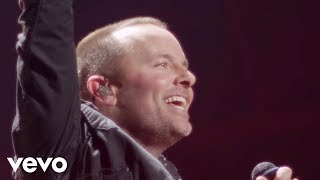
Watch the official God's Great Dance Floor
music video
Grace Is the Engine Beneath the Chorus
The middle section explains why return is possible at all. The song insists that divine love keeps going even when people drift. In the brief line never stop loving us
, the message is about persistence. The same is true of the idea that God does not give up, even if people run far.
This is classic Christian theology expressed in plain speech: grace comes before human effort. Tomlin's catalog often centers on accessible worship language, and this song follows that pattern. The lines are simple enough for a congregation to sing together, but they carry a strong emotional claim. The future can begin because love was already there.
A Communal Voice Makes the Message Bigger
Even though the song sounds personal, it keeps widening out. It shifts from "I" statements to "us," which turns private testimony into a group confession. That move helps explain why the chorus feels so large. This is not just one believer having a moment. It is a whole room joining in.
The phrase let the future begin
points in that direction. It sounds like a doorway opening. The old self, or the distant self, is not the final story.
Why the Dance Floor Image Works
The title image is unusual for a worship song, and that is part of its appeal. A dance floor is a place of movement, rhythm, and shared joy. By calling it God's great dance floor
, the song turns faith into something lived with the whole body.
That does not mean the track is shallow or merely playful. It means joy is being treated as a serious spiritual reality. In many worship songs, the central image is a throne, a cross, or a storm. Here, the image is celebration. The song argues that being alive in God should feel active, free, and public.
Interpretation: The dance floor can also symbolize belonging. On a dance floor, people move with others. Nobody stands alone for long. That fits the song's repeated shift from personal return to shared praise.
How the Sound Turns Theology Into Motion
Musically, the song helps its message land. The tempo is upbeat, the drums push forward, and the guitars and synth textures create lift instead of heaviness. Tomlin's vocal delivery is clear and earnest, which keeps the track grounded even as it grows more anthemic.
The repeated refrain about feeling alive is especially important. Repetition here is not laziness; it is the point. The song wants the listener to feel renewal physically, almost like a pulse. As the chorus builds, the arrangement mirrors that idea of awakening.
This is where Martin Smith's co-writing presence also feels relevant. Smith, known from Delirious?, has long favored worship songs that mix rock energy with congregational scale. That influence likely helps explain why this track feels both intimate and arena-sized.
A Simple Lyric, but Not a Thin One
Some listeners may find the wording very direct. That is fair. Tomlin often writes for broad church use, so clarity usually matters more than poetic complexity. But simple language is not the same as empty language.
The song follows a clear emotional path:
- Return to where love began.
- Surrender what little one has.
- Trust that love never quit.
- Step into joy and new life.
That arc is why the chorus feels earned. The singer does not start on the dance floor. They arrive there after surrender.
Final Take on the Song's Meaning
The meaning of God's Great Dance Floor Chris Tomlin is about coming home to a love that was already waiting. It presents worship not as duty but as freedom, and it uses the image of dancing to show faith as joy in motion.
For many listeners, that is the song's real strength. It makes grace sound celebratory. It says that being found by God should not only comfort people; it should wake them up.
Disclaimer: This interpretation is based on the released lyrics, songwriting context, and the song's musical presentation. As with any song, listeners may hear personal meanings beyond this reading.








