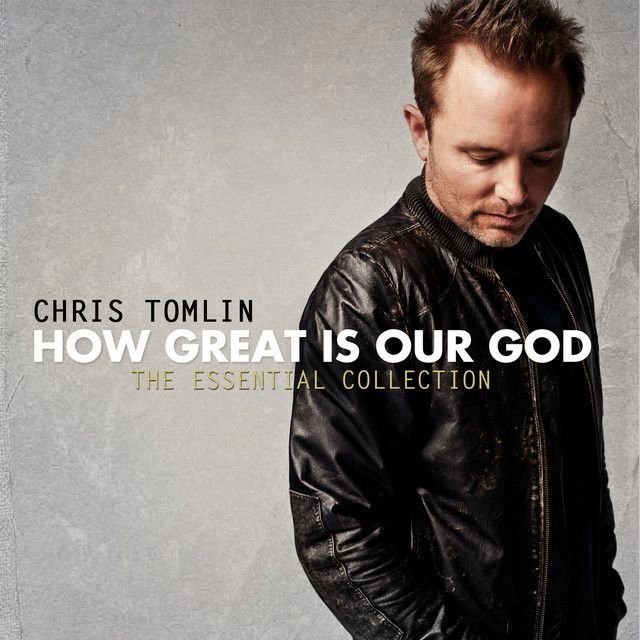
Why “I Will Rise” Feels Like a Promise
The meaning of I Will Rise Chris Tomlin comes down to one clear idea: this is a song about hope that survives death. Instead of denying pain, it admits weakness and grief, then answers them with the Christian promise of resurrection.
"I Will Rise" - Chris Tomlin
Though my heart and flesh may fail
There's an anchor for my soul
Loading lyrics...
Unable to load lyrics
We're unable to display the lyrics at this time. Please try again later.
Written by Chris Tomlin, Jesse Reeves, Louie Giglio, and Matt Maher, the song sits firmly in modern worship music, where personal emotion and shared belief often meet. In this case, the message is simple but powerful: suffering is real now, but it is not final.
A Song That Starts in Weakness
The opening lines matter because they do not begin with triumph. They begin with fragility. The singer admits that the body can fail and that life can feel unstable. Yet that fear is met by spiritual steadiness through the image of an anchor for the soul.
That contrast is the heart of the song. It pairs human limits with divine security. When the lyric says peace I’ve come to know
, it suggests a hard-won calm, not naive optimism. This peace exists alongside pain, not outside it.
Interpretation: That is one reason the song connects so strongly with grieving listeners. It does not rush past sorrow. It gives sorrow a place, then places hope beside it.

Watch the official I Will Rise
music video
The Christian Center of the Message
At its core, the song’s confidence comes from Jesus’ resurrection. The middle section makes that plain with phrases like Jesus has overcome
and He is risen
. In other words, the singer’s future hope is grounded in a past event of faith: Christ defeated death, so death does not get the last word.
This is central to Chris Tomlin’s catalog and public ministry as a worship leader, where songs are often built to help congregations sing doctrine in plain language. According to Tomlin’s official artist materials and song credits, “I Will Rise” is one of the worship songs associated with comfort, eternity, and resurrection hope (Chris Tomlin, CCLI SongSelect).
For many listeners in the United States, that makes the song feel both personal and communal. It works as an individual prayer, but it also sounds like something a church can sing together at a funeral, Easter service, or moment of mourning.
How the Chorus Turns Faith Into Certainty
The chorus is where the song stops reflecting and starts declaring. The repeated promise I will rise
is not framed as a guess. It is spoken with assurance. That confidence is what gives the song its emotional lift.
The next phrases sharpen the promise. No more sorrow
does not mean current pain is fake. It means pain has an end point. The song imagines a future where grief, physical suffering, and loss are finally removed.
Interpretation: This is why the chorus feels larger than comfort. It is not only soothing; it is defiant. It answers death with expectation.
Images of Light, Sight, and Flight
The song uses simple images to explain big spiritual ideas. Darkness turning to light suggests the end of death, fear, or confusion. Shadows disappearing points to a world where uncertainty is gone. And when the lyric references eagles’ wings
, it evokes uplift, freedom, and a heavenly ascent.
These images are familiar within Christian worship language, which helps the song communicate quickly. Even listeners who do not focus on doctrine can grasp the movement: from darkness to light, from weakness to strength, from earthbound grief to lifted hope.
There is also an important line about faith becoming sight. The idea is that belief will one day become direct experience. What is trusted now will be fully seen later. That turns the whole song into a bridge between present suffering and future clarity.
When the Song Expands Beyond One Voice
Near the end, the song widens its lens. It moves from one person’s hope to a heavenly chorus of angels and longing hearts praising together. That shift changes the emotional scale.
Worthy is the Lamb
Worthy is the Lamb
This brief repeated line matters because it reframes resurrection not only as comfort for the believer, but also as worship centered on Christ. The song is no longer just about what the singer receives. It is about who Christ is.
That is a classic worship move: private pain opens into collective praise. The listener begins in a quiet struggle and ends in a larger vision of heaven.
How the Sound Carries the Meaning
Part of the meaning of I Will Rise Chris Tomlin comes from its musical design. The arrangement is slow, spacious, and patient, giving the words room to breathe. Rather than pushing drama too early, the song builds gradually, which mirrors the message of waiting in faith.
The instrumentation common to Tomlin’s style—soft piano, steady rhythm, swelling band textures, and a congregational melody—supports that sense of trust. Nothing feels rushed. The rise in dynamics helps the song move from reflection into proclamation, especially as the chorus returns.
Interpretation: That slow build makes the title phrase feel earned. By the time the song reaches its emotional peak, listeners have already walked through weakness, loss, and longing.
Why It Stays So Meaningful
“I Will Rise” has lasted because it gives listeners usable language for hard moments. It speaks to illness, funerals, private fear, and ordinary grief without becoming bleak. It offers comfort, but it also asks for faith.
For Christians, the song’s meaning is clear: resurrection hope is stronger than death. For broader listeners, its appeal may be the way it faces mortality honestly while still reaching for peace.
In the end, the song is less about escape than transformation. It says pain is present, but temporary. It says death is serious, but defeated. And it says the final answer is not silence, but rising.
Disclaimer: This interpretation is based on the released lyrics, the song’s worship context, and publicly available artist information. Meaning can vary depending on each listener’s beliefs and experience.








