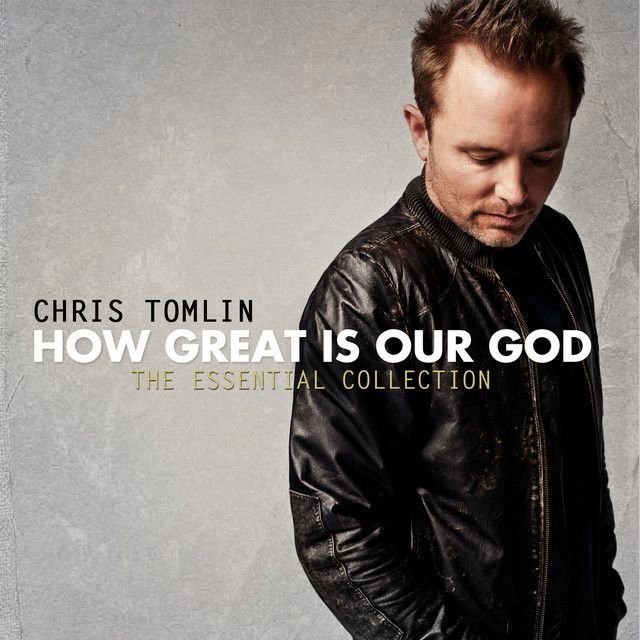
Why 'Jesus Messiah' Feels Like a Modern Hymn
The meaning of Jesus Messiah Chris Tomlin comes into focus fast: this is a worship song about who Jesus is and what His death means in Christian belief. Rather than telling a detailed story with characters and plot, it gathers major gospel images and turns them into a shared confession.
"Jesus Messiah" - Chris Tomlin
That we might become His righteousness
He humbled himself and carried the cross
Loading lyrics...
Unable to load lyrics
We're unable to display the lyrics at this time. Please try again later.
Chris Tomlin co-wrote the song with Daniel Carson, Ed Cash, and Jesse Reeves, and it became one of the defining worship songs of its era in contemporary Christian music. Factually, those writer credits are widely documented in official music databases and publisher listings such as CCLI SongSelect and major credits platforms like AllMusic.
The Big Idea Hiding in Plain Sight
At its core, the song says Jesus takes on human sin and suffering so people can be restored to God. The opening moves straight into that belief with language about sacrifice and humility. When the lyric says He became sin
, it does not suggest moral failure on Jesus’ part. Instead, it reflects a classic Christian idea: He carries the burden of others.
That matters because the song is not only praising Jesus for being powerful. It is praising Him for choosing rescue through self-giving love. The phrase carried the cross
points to suffering, but also to purpose. In the song’s logic, pain is not random. It becomes the path to redemption.
Interpretation: This is one reason the song feels emotionally strong even though the language is simple. It frames love as costly, not abstract.
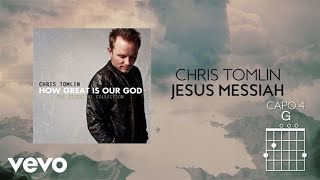
Watch the official Jesus Messiah
music video
How the Chorus Defines Jesus
The chorus works like a list of names, but each title adds a layer to the song’s message. The central phrase Jesus Messiah
names Him as the promised savior in Christian belief. Then the song adds titles like redeemer and Emmanuel, widening the meaning from sacrifice to presence.
In plain terms, the chorus says Jesus is not just a teacher or example. He is, in the song’s theology, the one who saves, restores, and stands above every other authority. The line name above all names
gives the chorus its vertical reach. It lifts the song from reflection into worship.
That is why the refrain lands so strongly in churches. It is easy to sing, but it also compresses several doctrines into one memorable hook.
Verse Images That Carry the Theology
One of the most effective things about the song is how quickly it moves through major Christian symbols. It mentions the body and blood in language that echoes Communion. It references the earth trembling and the temple veil tearing, images tied in the Gospels to the crucifixion story.
His body the bread
His blood the wine
Those short phrases summarize sacrifice in a physical, almost tactile way. The song turns theology into something seen and felt: bread broken, blood poured out, a barrier torn open.
Interpretation: The torn veil image is especially important. In Christian teaching, it often symbolizes new access to God. So the song is not only about what Jesus endured. It is also about what changed because of it.
Why the Repetition Matters So Much
Repetition is a big part of the song’s power. The return to Love so amazing
lets the listener pause before the chorus and absorb the emotional weight of what has just been described. Then the repeated statements about hope and glory shift the song from doctrine to response.
This is where the track becomes communal. It stops sounding like one person thinking and starts sounding like a whole room answering back. That helps explain the song’s popularity in worship settings across the United States.
The final repetitions of Jesus as Lord of all
simplify everything that came before. After the cross, the rescue, and the hope, the song lands on authority. It ends not in confusion but in surrender.
How the Sound Supports the Message
Musically, “Jesus Messiah” uses the familiar tools of modern worship: a steady tempo, clear chord movement, and a gradual build that welcomes congregational singing. Tomlin’s vocal approach is also important. He does not oversing the verses. That restraint leaves room for the chorus to feel larger when it arrives.
Producer Ed Cash is known for polished but warm contemporary Christian arrangements, and that style fits the song well. Acoustic guitar, supportive rhythm, and swelling dynamics help it feel intimate at first and expansive later. Credits for Cash’s work with Tomlin and other CCM artists are documented by sources like AllMusic.
Interpretation: The arrangement mirrors the lyric’s movement. It begins with sacrifice and humility, then rises into praise and collective hope.
Artist Context and Why the Song Connected
Chris Tomlin built much of his career on songs designed for churches to sing together, not just for audiences to hear. That context matters when considering the meaning of Jesus Messiah Chris Tomlin. The song was crafted to be accessible, doctrinally clear, and emotionally direct.
Its appeal comes from that balance. It is specific enough to sound deeply Christian, yet broad enough to invite many believers into the same chorus. In that sense, it works like a modern hymn: simple language, big claims, and a melody built for a crowd.
The Lasting Meaning of "Jesus Messiah"
In the end, the song is about Jesus as sacrifice, savior, and source of hope. Its verses focus on what He gives up; its chorus focuses on who He is. That structure is what gives the song both emotional warmth and theological weight.
For many listeners, the lasting impact comes from how directly it links love with rescue. It does not argue its case in complex terms. It sings it plainly and lets repetition make it sink in.
Disclaimer: This interpretation reflects common lyrical, musical, and Christian theological readings of the song and is not a statement of the only possible meaning.








