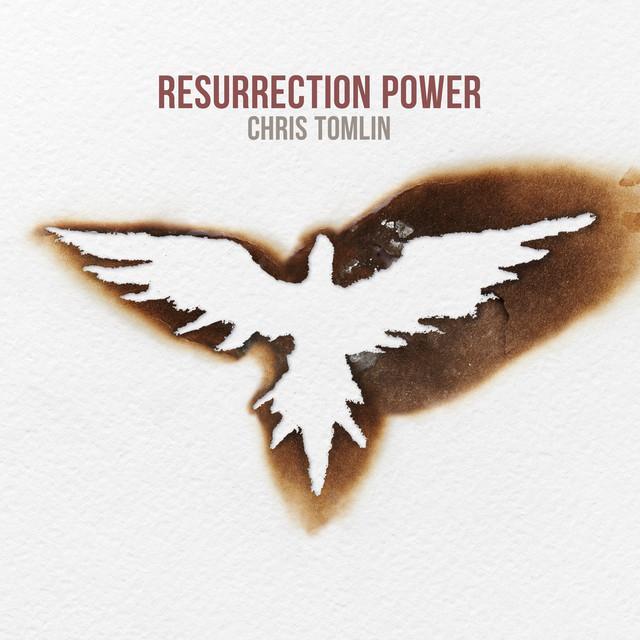
Resurrection Power by Chris Tomlin
A Worship Song About Inner Change
The meaning of Resurrection Power Chris Tomlin centers on Christian renewal. The song takes the idea of Jesus rising from the dead and turns it into a present-tense promise for ordinary life. Rather than treating resurrection as only a past event, it says that power still works inside believers now.
"Resurrection Power" - Chris Tomlin
You called me out of all my shame
I see the old has passed away
Loading lyrics...
Unable to load lyrics
We're unable to display the lyrics at this time. Please try again later.
Chris Tomlin released “Resurrection Power” in 2018 as the lead single from Holy Roar, according to Wikipedia. It became a major Christian radio hit, reaching No. 6 on Billboard’s Hot Christian Songs chart, which helps explain why so many listeners connect to its message. The song’s appeal is simple: it translates a big doctrine into personal language about shame, freedom, and a new identity.

Watch the official Resurrection Power
music video
From Grave to Freedom
At the start, the lyric paints a movement from death to life, but it does so in emotional terms, not just physical ones. When the singer says they were called from the grave
, the song points to spiritual deadness, despair, and separation from God. Right after that, it connects the same rescue to shame, suggesting that the deepest problem is not only pain but guilt and broken identity.
This is why the line about the new has come
matters so much. The song is not only about being forgiven. It is about being remade. Old patterns, old names, and old failures no longer get the final word.
Interpretation: Many listeners hear this as a testimony song. Even though the words are broad enough for a congregation, they sound like someone looking back on a former self and saying that life has been fundamentally changed.
What the Chorus Really Declares
The chorus gives the song its main claim: resurrection power
is not far away but living on the inside
. That phrase is the key to the whole song. It shifts the focus from a distant miracle to an active inner presence.
In plain terms, the chorus argues three things:
- God’s power is personal.
- Freedom is possible now.
- Darkness does not own the believer anymore.
That final point comes through in the repeated contrast between bondage and light. The song says people are no longer bound
, then places them in God’s goodness. The result is a worship chorus that feels both doctrinal and practical. It is about salvation, but it is also about daily courage.
Identity Is the Hidden Theme
One of the strongest parts of the lyric is its language of status and belonging. The verse speaks of being dressed in Your royalty
, which gives the song a new layer. Freedom here is not just escape from bad things. It is also entrance into a new family and a new standing.
That makes the song more than a victory anthem. It is also about identity. The singer does not merely leave chains behind; they receive a different name and place. In Christian terms, this reflects ideas of adoption, redemption, and the Holy Spirit’s presence.
“Now I have resurrection power
Living on the inside”
That short refrain sums up the song’s emotional core. It says that change is not powered by self-help or human effort alone. The source is divine life within the believer.
Sound That Pushes the Message Forward
The production helps carry that meaning. “Resurrection Power” sits in the worship and contemporary Christian space, but it also leans into Christian rock energy. According to the available release details, the song was produced by Ed Cash and Bryan Fowler, and it runs at a brisk 150 BPM in D-flat major, facts noted in the song’s overview on Wikipedia.
That fast pulse matters. The song does not sound reflective or hushed for long. Instead, it builds with drums, layered guitars, and a bright, anthemic chorus. This gives the feeling of momentum, as if the music itself is breaking out of confinement.
Tomlin’s vocal approach also fits the theme. He sings with the steady clarity common to congregational worship music, making the lines easy to join. Then the repeated “freedom” section opens the song into communal celebration. It sounds designed for a room full of people singing one truth together.
Artist Context Sharpens the Meaning
Tomlin told Billboard that the song is about claiming the same power that raised Jesus, especially when people feel weak, burdened, or trapped. He also linked it to leaving darkness behind and finding freedom from destructive habits. That context is important because it shows the lyric is not meant as abstract poetry. It is meant as usable worship language.
The timing matters too. Holy Roar arrived during a period when Tomlin was speaking often about unity in the church. In that light, “Resurrection Power” works on two levels: personal transformation and shared confession. A single believer can sing it as testimony, while a congregation can sing it as a statement of common faith.
Why the Song Connects So Easily
The song’s biggest strength is clarity. It uses familiar Christian images—grave, chains, darkness, light—but arranges them in a way that feels immediate. Listeners do not need to decode complex symbolism to understand the emotional arc.
Interpretation: Another reason it resonates is that it balances honesty and hope. It admits shame, sin, and heaviness, but it never stays there. Every dark image is answered by freedom, goodness, or newness. That structure makes the song especially effective in worship settings, where people often come in carrying personal burdens.
Final Take on Its Message
In the end, the meaning of Resurrection Power Chris Tomlin is about living as if resurrection is already changing the present. The song says faith is not only belief in what happened to Jesus; it is trust that His life reshapes the believer now.
That is why the song remains powerful. It turns theology into a singable promise: the past can be redeemed, shame can lose its grip, and freedom can become a daily reality.
Disclaimer: This interpretation combines lyrical analysis, artist commentary, and musical context. As with any song, listeners may hear personal meanings beyond this reading.








