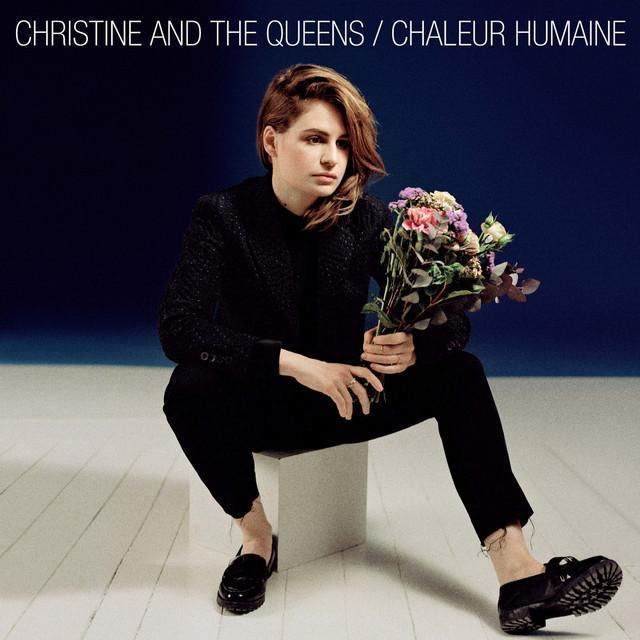
iT by Christine and the Queens
Christine and the Queens built their early work around movement, performance, and identity, and the meaning of iT Christine and the Queens sits right at that crossroads. The song sounds like a declaration, but it also sounds like a fight. They present a speaker who is trying to claim a body, a role, and a name while other voices push back.
"iT" - Christine and the Queens
I become the death Dickinson feared
With it
Loading lyrics...
Unable to load lyrics
We're unable to display the lyrics at this time. Please try again later.
For many listeners, that is why the track still lands so hard. It is not simply about becoming someone new. It is about defending that change when the world calls it false.
A Declaration That Also Sounds Defensive
At the simplest level, the song is about self-definition. The hook circles around I'm a man now
, but the repetition matters because it does not feel casual. It feels earned, almost like the speaker is saying it again because they have had to say it many times before.
Interpretation: the song can be heard as a statement about gender identity, masculinity, and the effort of becoming legible to oneself before becoming legible to others. Heloise Letissier, the artist behind Christine and the Queens, has often explored gender performance and fluid identity in their work, which makes that reading especially strong.
The line I bought it for myself
is one of the key clues. They frame identity not as a gift from society, but as something paid for through struggle. In other words, this selfhood has a cost.
Watch the official iT
music video
The Voice Splits in Two
One of the most striking things in the lyrics is the shift between self-assertion and public commentary. Early on, the speaker says they got it
. Later, outside voices answer back with doubt, mockery, and misgendering.
That creates the song's real drama. The speaker knows who they are, but a crowd tries to rewrite the story from the outside. When the song moves toward She's a man now
, it sounds both accepting and unsettling. The words recognize the transformation, yet they still frame the person as an object of gossip.
Interpretation: this split voice mirrors a common experience for gender-nonconforming people. There is the inner truth, and then there is the social voice that watches, judges, and tries to classify.
Strange Images, Clear Anxiety
The verses are full of dense, almost surreal images: Dickinson, ships, coronations, dogs, beards, dead selves. These are not random decorations. They make the act of identity feel theatrical, literary, and a little violent.
Take the reference to dead impersonations. The song suggests that older versions of the self had to be abandoned. That is painful, but it is also freeing. Becoming someone new means burying roles that no longer fit.
The beard image pushes this further. Facial hair is one of the clearest symbols of masculinity in the song, but Christine and the Queens do not present it as natural or simple. Instead, it is something contested, almost attacked. That matters because the song is less interested in biology than in visible signs of gender and the pressure attached to them.
What the Chorus Really Protects
The chorus is direct, but its emotion is complicated. On the surface, it sounds triumphant. Underneath, it carries fear: if something can be stolen, then it is still vulnerable.
That is why won't let you steal it
is just as important as the better-known refrain. The song is not only saying, “this is who I am.” It is also saying, “you do not get to take that away.”
This gives the track a political edge without turning it into a speech. The personal claim becomes an argument about authority. Who gets to define a body? Who gets to decide whether a transformation is real?
How the Sound Turns Identity Into Theater
Musically, "iT" lives in alternative pop with sharp electronic edges. The beat is tense and propulsive, and the performance is clipped, stylized, and physical. Even without seeing a live performance, listeners can hear choreography in it.
That matters because Christine and the Queens have long used dance and stagecraft as part of the meaning, not just the presentation. In this song, the production feels ceremonial, almost like a public unveiling. The rhythm pushes forward while the vocal delivery stays controlled, giving the sense of someone forcing themselves to remain composed under pressure.
Interpretation: the sound makes identity feel performed, but not fake. Instead, it suggests that performance is one way people make identity visible and real.
More Than One Possible Reading
The strongest reading is about gender and masculinity, but it is not the only one. The song can also be heard as a broader statement about rejecting old selves and surviving the shame that comes with reinvention.
Another reading is that the track exposes how all gender can be theatrical. When the lyrics accuse the speaker of being fake
, the insult reveals a social rule: people accept performance only when it looks familiar. The song pushes back on that rule.
That is part of why "iT" remains compelling. It is specific enough to feel personal, but open enough to speak to anyone who has fought to become themselves in public.
Why the Song Still Resonates
The meaning of iT Christine and the Queens endures because the song refuses to separate pride from fear. It understands that claiming identity can feel glorious and fragile at the same time.
By the end, the repeated statement no longer sounds like a question. It sounds like survival. The track turns self-naming into an act of resistance, and that gives its strange imagery and tight production a clear emotional center.
Disclaimer: This interpretation is based on the song's lyrics, performance, and public artistic context. As with most art, listeners may reasonably hear different meanings in it.









