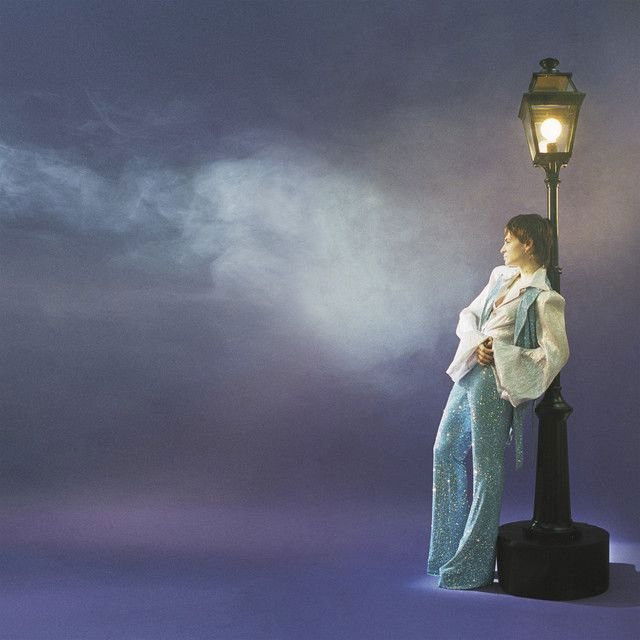
Why "People, I've Been Sad" Hits So Hard
The meaning of People, I've been sad Christine and the Queens starts with something rare in pop: blunt honesty. There is no big metaphor in the title line. The song opens with a confession and then keeps circling it, as if saying the truth out loud is both painful and necessary.
"People, I've been sad" - Christine and the Queens
(People, I've been sad)
It's true, that people, I've been gone
Loading lyrics...
Unable to load lyrics
We're unable to display the lyrics at this time. Please try again later.
Christine and the Queens, the project of Héloïse Letissier, released the song in 2020 during the La vita nuova era. In that context, it landed as a stark, intimate statement from an artist known for mixing art-pop style with emotional candor. The result is a song that feels private and communal at once.
A Plain Confession With Hidden Depths
On the surface, the song says exactly what it means. The speaker admits, I've been sad
, and also says they have been missing out
and emotionally absent. That direct language matters. Instead of dressing pain up in poetic distance, they name it.
But the song is not only about sadness. It is also about disconnection. The repeated idea of being gone suggests more than physical absence. It sounds like mental withdrawal, a period where daily life keeps moving but the self cannot fully join it.
Interpretation: This makes the song feel close to depression, burnout, or grief. The lyrics do not diagnose anything, but they clearly describe a state where the singer has been separated from life, other people, and even their own instincts.

Watch the official People, I've been sad
music video
The Chorus Turns One Person’s Pain Into Two
The emotional center comes in the chorus. When the singer says If you disappear
, they add that they will disappear too. That changes the song from a personal diary entry into a statement about attachment.
This is why the hook hurts so much. The sadness is not sealed inside one person. It spreads through relationships. If someone they love falls apart, they feel themselves slipping as well.
The repeated phrase You know the feeling
is important here. It invites the listener in. Rather than asking for pity, the singer assumes recognition. They treat sadness as a shared human experience.
The French Verse Opens an Older Wound
One of the song’s richest choices is its move between English and French. The French lines add texture, memory, and history. They suggest that the present sadness did not appear overnight.
The strongest image from that section describes a damaged adolescence and the feeling of walking on glass. The words evoke a youth shaped by pain, shame, or emotional harshness. Later, the singer says that now everything feels stronger, even the sun.
Interpretation: That shift implies hypersensitivity after trauma or loneliness. Once someone has lived through long emotional numbness or hurt, ordinary feeling can come back too sharply. Joy, sunlight, and connection do not feel simple; they can sting.
How the Verses Build the Song’s Emotional Logic
The verses quietly explain how the singer got here:
- They admit they have been absent for too long.
- They suggest they kept answering demands that pulled them away from themselves.
- They connect their own state to another person’s collapse.
- They reveal that the roots may reach back to adolescence.
That structure matters. The song does not present sadness as random. It grows out of neglect, overextension, memory, and emotional entanglement.
A small but telling detail is the line about taking calls they should have missed. In plain terms, it suggests obligations, noise, and pressure. Life keeps interrupting, and the self gets lost in the process.
Why the Production Feels So Exposed
The arrangement supports that meaning beautifully. The track is minimal, airy, and electronic, with a soft pulse rather than a hard beat. It never overpowers the vocal. Instead, it leaves space around it.
That space is crucial. It creates the feeling of being alone in a room with one’s thoughts. The voice sounds close, but the production feels distant, almost floating. That contrast mirrors the lyric: a person trying to reach out while still trapped inside their own isolation.
Christine and the Queens often work in a style that blends synth-pop, art-pop, and intimate performance, and this song strips those elements down to their bare emotional function. The melody rises gently, but it never explodes into easy release. The song stays suspended, as if relief has not arrived yet.
Artist Context Sharpens the Meaning
Letissier has often made music about identity, vulnerability, embodiment, and transformation. That wider artistic context helps explain why this song feels so direct. They are not using sadness as a dramatic image. They are using it as a lived condition.
For listeners in 2020, the song also resonated with a broader mood of uncertainty and isolation. Even without reducing it to that moment, its language of disappearance and emotional distance felt especially timely.
The Best Way to Read the Song
The best reading of the meaning of People, I've been sad Christine and the Queens is that it captures the overlap between private depression and shared emotional life. The singer is sad, yes, but they are also porous. Other people’s pain enters them. Old wounds sharpen the present. Even recovery feels intense.
That is why the song lingers. It does not pretend sadness is noble or beautiful. It simply shows how it can make someone vanish from their own life, and how connection can both wound and save them.
Final Thought
Christine and the Queens turn a simple confession into a layered portrait of absence, empathy, and fragile return. The song’s power comes from how plainly it speaks and how much feeling it leaves underneath the surface.
Disclaimer: This article offers interpretation based on the lyrics, performance, and public context. Song meaning can remain open, and different listeners may hear it differently.








