Why Ogie's Love Song Works in Waitress
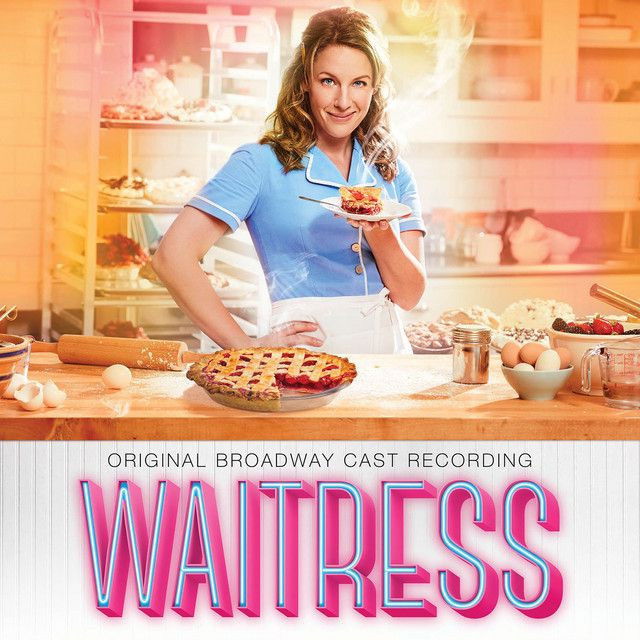
The meaning of Never Ever Getting Rid of Me Christopher Fitzgerald, Kimiko Glenn, Waitress Original Broadway Cast Ensemble starts with a contradiction: the song sounds pushy on paper, but onstage it plays as one of Waitress's funniest and sweetest character moments. In the musical, Ogie tries to win over Dawn with relentless enthusiasm, and the song turns that persistence into comedy, vulnerability, and a very Broadway kind of romance.
"Never Ever Getting Rid of Me" - Christopher Fitzgerald, Kimiko Glenn, Waitress Original Broadway Cast Ensemble
Dawn
I will never let you let me leave
Loading lyrics...
Unable to load lyrics
We're unable to display the lyrics at this time. Please try again later.
Sara Bareilles wrote the score for Waitress, the stage musical adapted from Adrienne Shelly's 2007 film. The show opened on Broadway in 2016, with Christopher Fitzgerald as Ogie and Kimiko Glenn as Dawn, and Bareilles' work was widely noted for mixing pop melody with theater storytelling.[1][2]
The Real Heart of the Song
At its core, the song is about devotion expressed in the most exaggerated way possible. Ogie is not offering cool, mysterious romance. They present him as a person who believes love means showing up fully, repeatedly, and without shame.
When he insists I'm not moving
, the lyric is funny because it is so extreme. But the larger idea is simple: he wants Dawn to know his feelings are real, not casual. The repeated title phrase, never, ever, ever
, pushes that idea into comic overdrive.
Interpretation: The song is less about possession than about certainty. Ogie believes that once love is real, it becomes a lifelong promise. The joke is that he says this far too soon and far too loudly.

Watch the official Never Ever Getting Rid of Me
music video
Ogie's Voice: Odd, Earnest, and Unfiltered
One reason the number lands so well is that it fits Ogie's personality exactly. He does not flirt with smooth lines. Instead, he overshares, jokes, and barrels forward with childlike confidence.
That comes through when he talks about family, future plans, and even his personal history before Dawn has fully agreed to any of it. He treats romance like a fact already decided. In another context that could feel alarming, but Waitress frames it as absurd sincerity.
Dawn's interruptions matter too. Her reactions keep the scene grounded. When she pushes back, the audience is reminded that the song is a comic negotiation, not a one-sided declaration floating in space.
A Love Story Told Like a Comedy Sketch
The song works because it unfolds as a scene, not just a statement. Its emotional timeline moves in clear beats:
- Ogie refuses rejection and doubles down.
- He imagines a future with Dawn immediately.
- He shares lonely childhood details.
- He turns persistence into his philosophy of love.
The backstory about the cat Sardine is especially important. When he recalls only child
loneliness and the lesson that perseverance stood between
him and companionship, the song suddenly reveals its emotional engine. He learned early that affection might require patience, awkwardness, and repeated effort.
That story makes his behavior more than a gag. It suggests that Ogie links persistence with connection because he has experienced isolation.
What the Chorus Is Really Saying
The chorus is the song's thesis. Ogie's message is that love is not temporary, strategic, or hesitant. To him, love means staying.
Wherever you go,I won't be far to follow
Those lines summarize his worldview: commitment means presence. He does not imagine distance, ambiguity, or playing it cool. He imagines closeness.
Interpretation: The chorus matters because it turns a joke into a romantic philosophy. Ogie's version of love is intense, but it is also fearless. He is willing to look foolish if that is the price of being honest.
How the Music Softens the Message
Production and performance are essential to the song's meaning. Bareilles' score often blends contemporary pop hooks with musical theater pacing, and this number is a strong example.[1][3] The melody is springy, the rhythm is brisk, and the arrangement gives Ogie very little room to brood. Everything moves forward.
That bouncy sound changes how listeners hear the lyrics. A darker arrangement might make the same words feel controlling. Here, the bright tempo, comic phrasing, and energetic ensemble support turn them into theatrical exaggeration.
Christopher Fitzgerald's original performance is also key to reception. His delivery emphasizes goofiness, not menace, and Kimiko Glenn's timing helps the scene feel like a shared comic exchange. Audience response over the years has reflected that blend of humor and heart, with the song becoming one of Waitress's standout character numbers.[2][4]
Themes Beneath the Laughs
Several themes run through the song:
- Persistence: Ogie believes love should endure discomfort.
- Loneliness: His childhood story hints at why connection matters so much.
- Commitment: He treats romance as lasting, not temporary.
- Comic vulnerability: He risks embarrassment in order to be sincere.
There is also a contrast between Dawn and Ogie. Dawn is cautious and guarded. Ogie is overflowing and impulsive. The song's humor comes from that mismatch, but so does its tenderness.
A Sweet Song, With One Important Caveat
Modern listeners may hear some tension in the premise. Persistent pursuit can sound romantic in musical comedy, but uncomfortable in real life. That is a fair reaction.
Interpretation: The song works best when heard inside Waitress, where character chemistry, staging, and tone clearly signal that the audience is meant to laugh at Ogie's excess while also seeing his decency. Outside that context, the same words can feel more complicated.
Why It Still Connects
The lasting appeal of the meaning of Never Ever Getting Rid of Me Christopher Fitzgerald, Kimiko Glenn, Waitress Original Broadway Cast Ensemble is that it captures a familiar fantasy: being loved by someone who is completely sure. Ogie expresses that fantasy in the messiest, funniest way imaginable.
That is why the song endures. It is not subtle, and it is not supposed to be. It is a bright, oddball celebration of romantic certainty, sung by someone who would rather be too much than not enough.
Disclaimer: This article offers interpretation based on the lyrics, performances, and known production context. Meaning in musical theater can vary by listener, staging, and performance.








