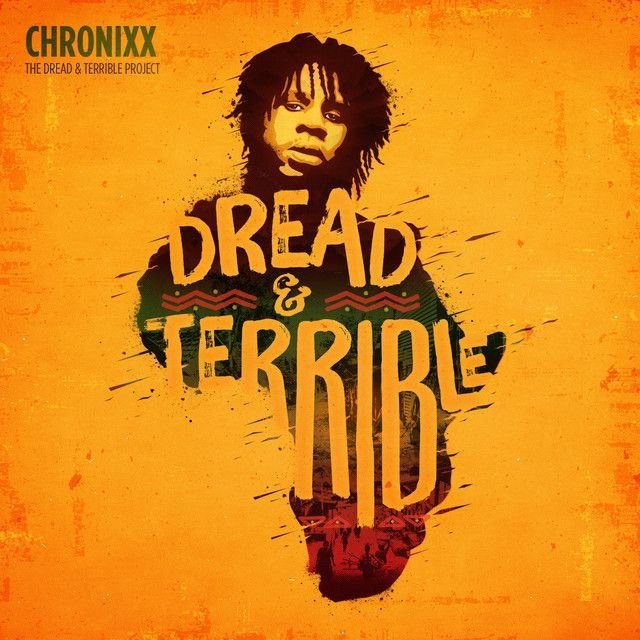
Here Comes Trouble by Chronixx
The meaning of Here Comes Trouble Chronixx starts with a reversal. The song takes words that usually sound negative—danger, warning, trouble—and turns them into signs of awakening. In Chronixx’s hands, “trouble” is not mindless chaos. It is the arrival of disciplined youth, spiritual purpose, and cultural pride.
"Here Comes Trouble" - Chronixx
Left, right, oh yeah
An dem seh here comes trouble
Loading lyrics...
Unable to load lyrics
We're unable to display the lyrics at this time. Please try again later.
Released during the early wave of the reggae revival that helped bring new global attention to young Jamaican artists, the track became one of Chronixx’s signature songs. It is widely tied to his breakout period and to the Dread & Terrible era, which helped establish his voice in modern roots reggae. The song’s writing credits also connect it to major reggae figures including Sly Dunbar and Robbie Shakespeare, alongside Ini Kamoze, Jamar McNaughton, and Phillip James.
A Warning Song That Sounds Like a Rally
At its core, the song is a call to action. The chorus repeats the idea that here comes trouble
and here comes the danger
. In plain terms, Chronixx is announcing the arrival of a new force. But the verses make clear that this force is not random violence. It is a movement of “Rasta youths” entering the scene with faith, discipline, and purpose.
That is why the track sounds both confrontational and hopeful. It speaks like an alarm, but it also feels like an invitation. The singer frames this group as people sent on a mission, using the phrase sent by the savior
to suggest divine backing. For listeners, the effect is clear: those in power may fear this arrival, while believers should welcome it.

Watch the official Here Comes Trouble
music video
Faith, Identity, and Spiritual Soldiering
One of the key ideas in the song is spiritual warfare. Chronixx uses the language of marching and recruitment—soldiers, generals, banners, warnings—to describe commitment to Rastafari values. When he says Jah soldiers a come
, he is not simply describing a literal army. He is presenting a community organized around belief, moral seriousness, and action.
Interpretation: This makes the song feel larger than one person’s story. It is less about individual fame than about collective readiness. The repeated “left, right” chant strengthens that reading. It sounds like marching feet, turning the song into a parade, a protest, and a mission statement all at once.
The references to Selassie-I and Rastafari roots deepen that message. They place the track inside a spiritual and cultural tradition that values African identity, resistance to oppression, and righteous living. For U.S. listeners unfamiliar with that language, the song still communicates something immediate: a generation is tired of passivity and wants to stand for something greater.
Why Ethiopia Matters So Much
The song also points toward Ethiopia, a place with deep meaning in Rastafari belief and Black liberation thought. Chronixx links struggle in the present with a larger historical and spiritual future. He suggests that evil will fall and that the faithful have a role in building something better.
Interpretation: Ethiopia works on two levels here. It can be heard as a real homeland and as a symbol of return, dignity, and spiritual alignment. When the song calls people forward, it is really calling them back—to roots, truth, and identity.
That helps explain why the lyrics connect prophecy, scripture, and inherited duty. The message is not only “rise up.” It is “remember who they are.”
The Chorus Flips the Meaning of “Trouble”
The hook is catchy because it is simple, but its meaning is sharp. Normally, “trouble” is something to avoid. Here, Chronixx flips the word into a badge of strength. If corrupt systems call righteous people dangerous, then danger may just mean those systems are finally being challenged.
That twist gives the chorus its power. The listener hears threat on the surface, but underneath is confidence. The song is saying that change often looks frightening from the outside, especially to people who benefit from the status quo.
How the Sound Carries the Message
Musically, the track supports its themes with a strong roots reggae frame. The drum pattern has a march-like pulse, while the bass gives the song weight and forward motion. The groove feels steady rather than frantic, which matters: the mission sounds organized, not reckless.
Chronixx’s vocal approach also helps. He moves between chanting and melodic lines, making the song feel like both a speech and an anthem. The repetition in the chorus works like a crowd response, as if a movement is forming in real time.
The red-gold-green imagery, the banners, and the marching cadence all add up to one mood: ceremonial resistance. It is protest music, but it is also devotional music.
A Song About Youth Refusing Mediocrity
One of the strongest lines of thought in the verses is frustration with compromise. Chronixx says the people are tired of the ordinary and the weak. The answer is work, discipline, and spiritual seriousness—not just complaint.
That is why the song keeps returning to recruitment. The speaker cannot do this alone. He needs others to join, learn, and act. In that sense, the track is both motivational and demanding. It welcomes people in, but it also asks something from them.
For many listeners, that is the heart of the meaning of Here Comes Trouble Chronixx: true change is not comfortable. It asks for courage, belief, and community.
Final Take: Threat or Liberation?
Chronixx makes the song live in that tension. To some ears, the title sounds ominous. To others, it sounds like liberation finally arriving. That dual meaning is exactly why the song still hits so hard.
Interpretation: The track argues that when awakened people step forward, they will always look like “trouble” to those invested in silence. But to everyone else, they may look like hope.
Disclaimer: This interpretation is based on the song’s lyrics, performance, and Rastafari context. As with any art, listeners may hear its meaning differently.








