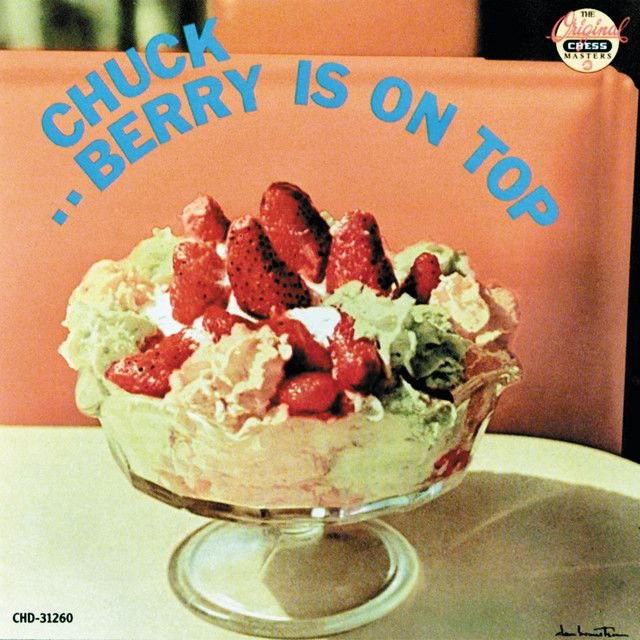
Johnny B. Goode by Chuck Berry
They know the riff before the story: a bolt of guitar that announces a kid destined for the stage. But the meaning of Johnny B. Goode Chuck Berry goes deeper than a catchy hook. It’s a lean, vivid tale of talent, grit, and a mother’s belief—shaped by Berry’s own life and the birth of rock and roll.
"Johnny B. Goode" - Chuck Berry
Way back up in the woods among the evergreens
There stood a log cabin made of earth and wood
Loading lyrics...
Unable to load lyrics
We're unable to display the lyrics at this time. Please try again later.
A Dream Written in Plain Words and Hot Riffs
The song’s plot is simple: a gifted boy from humble roots becomes a sensation. Berry starts with place—Deep down in Louisiana
—and quickly sketches a setting of trees, rails, and a modest home. The details strip away glamour so the shine belongs to the music.
Interpretation: The track turns the American Dream into a rock fable. Johnny’s lack of formal schooling isn’t a flaw; it makes his achievement feel earned. Berry’s famous line about playing like a-ringing a bell
translates skill into a sound everyone recognizes—clear, bright, undeniable.
Watch the official Johnny B. Goode
music video
Who’s Talking, and Why That Matters
The narrator is a third-person storyteller, not Johnny. They point out a country boy
with unusual drive. That distance invites listeners to project themselves into the story. It’s not just Johnny’s path; it could be theirs. The voice also lets community reactions—crowds, train crew, passersby—validate his talent before the industry does.
Fact: Berry later acknowledged the song was partly autobiographical, and the title winks at his St. Louis childhood on Goode Avenue. He also revised an early lyric so the story could reach radio. These choices show intent: make the fable universal while keeping it rooted in Berry’s reality.
The Story in Three Quick Scenes
- Beginnings: A rural kid hears life itself as rhythm. He plays until the tune fits his hands and his town.
- The practice grind: He totes his guitar in a
gunny sack
and woodshedsby the railroad track
, syncing with the trains. Interpretation: Work and environment shape the artist at once. - The promise: A mother’s prophecy frames destiny. Audiences gather. The stage lights beckon. The chorus becomes a chant of encouragement.
Why the Hook Feels Like a Push Forward
The refrain—Go Johnny go
—doesn’t just celebrate; it commands. Interpretation: The chorus functions like collective willpower. Each “go” is a nudge against class ceilings, gatekeepers, and doubt. Listeners become part of Johnny’s lift-off.
Symbols You Can Hear and See
- The railroad: Motion, timing, and industry. The train drivers’ rhythm becomes his metronome, turning labor into music.
- The guitar: A portable future. Carried in a sack, it hints at sacrifice and focus.
- “Name in lights”: Public recognition as the American finish line—fame as proof of work.
- The bell image: Clarity and correctness—the ideal tone for a player who must cut through noise and prejudice.
How the Sound Tells the Same Story
The track runs about 2:39—tight, fast, and built for jukeboxes. Berry fires a signature lead riff at the start, a line widely noted as echoing earlier jump-blues guitar vocabulary. Behind him, the rhythm section swings while the lead guitar stays straight and driving. That tension—swing versus straight—creates urgency, like a train at speed.
Session details matter here. The record was cut at Chess in Chicago in early 1958 with Lafayette Leake (piano), Willie Dixon (bass), and Fred Below (drums), produced by Leonard and Phil Chess. Keith Richards later observed the chords feel pianistic; you hear that in Leake’s percussive comping against Berry’s top-line fireworks. Interpretation: The arrangement stages Johnny’s ascent—the guitar steps out front while the band (and world) keeps moving underneath.
Context, Intent, and Cultural Impact
Berry drew inspiration from his bandmate Johnnie Johnson, yet the character grew into a mirror of Berry himself. That blending of myth and memory is why the song feels both specific and universal.
On release, it hit No. 8 on the national pop chart and No. 2 R&B. Over time, it became a touchstone: the Rock and Roll Hall of Fame lists it among songs that shaped the genre; it entered the Grammy Hall of Fame; and it was one of just 27 tracks placed on NASA’s Voyager Golden Record, a time capsule of Earth’s sounds. A major trade publication later called it the “first rock-star origin story,” cementing its status as the blueprint for countless guitar dreams.
Pop culture kept it alive—from stage covers to a defining movie moment that introduced its shock of energy to new audiences. But its staying power comes from something simpler: the story still works. A kid, a town, a sound—and belief.
Alternate Readings Worth Considering
- Interpretation: It’s a coded statement about access. Changing a single word for radio hints at the barriers a real Johnny would face—and the strategic choices required to break through.
- Interpretation: It’s a craft manifesto. All that practice by the rails says art is labor first, miracle second.
Takeaway
The meaning of Johnny B. Goode Chuck Berry lands like its opening riff: clean and sure. It promises that focus and feel—plus a chorus in your corner—can move a person from the woods to the marquee.
Disclaimer: Song meanings are interpretive. Facts about recording, release, and reception are noted for context; thematic sections reflect critical analysis.
Sources
- https://en.wikipedia.org/wiki/Johnny_B._Goode
- https://americansongwriter.com/the-meaning-behind-the-semi-autobiographical-rock-n-roll-classic-johnny-b-goode/
- https://www.rockhall.com/500-songs-changed-rock-and-roll
- https://www.grammy.com/awards/hall-of-fame-award
- https://voyager.jpl.nasa.gov/golden-record/whats-on-the-record/
- https://www.billboard.com/music/rock/chuck-berry-tribute-2017-7728754/








