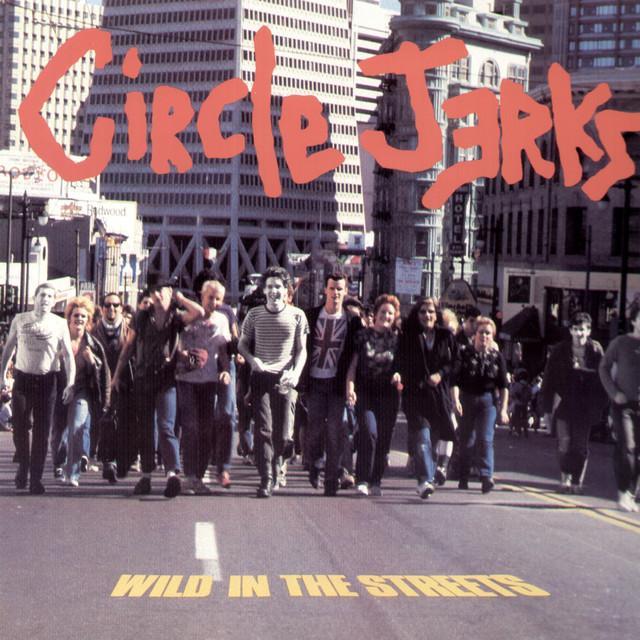
Why Circle Jerks Still Say Question Authority
The meaning of Question Authority Circle Jerks starts with a simple idea: power should never get a free pass. In this song, they challenge the belief that leaders, lawmakers, or public voices automatically know what is right. Instead, the track argues that authority must earn trust.
"Question Authority" - Circle Jerks
Have they the right to say how it should be?
Should one man be able to write it all down?
Loading lyrics...
Unable to load lyrics
We're unable to display the lyrics at this time. Please try again later.
That message fits the band’s punk roots. Circle Jerks emerged from the early Los Angeles hardcore scene, a movement known for speed, anger, and distrust of institutions, as documented by the Rock & Roll Hall of Fame and major punk histories at AllMusic. Even without a long story or detailed imagery, this song lands hard because it turns skepticism into a rallying cry.
The Core Idea Behind the Protest
At its heart, the song asks why people should obey rules made by flawed human beings. The opening challenge, Question authority
, is not subtle. But the line gains force because the song quickly explains why that question matters.
The lyric doubts whether those in charge really have the moral right to decide how it should be
. It also questions whether one person should be able to define truth for everyone else. In plain terms, the song says that power often pretends to be wise even when it is confused, selfish, or inconsistent.
Interpretation: This is less a policy statement than a moral warning. They are not laying out a detailed program for society. They are urging listeners to test authority against conscience instead of accepting it on habit.
Watch the official Question Authority
music video
When Law and Justice Split Apart
One of the song’s strongest ideas is that law and justice are not always the same thing. The phrase Another mans law
points to that gap. A rule may be legal, but that does not make it fair.
From there, the lyric suggests that authority often uses emotion and pressure to keep control. The complaint about bleed my sympathy
frames power as manipulative. Instead of deserving loyalty, it may be using guilt, fear, or duty to silence disagreement.
This is a classic punk move. Hardcore songs often strip public language down to basics and ask: who benefits, who gets hurt, and who is told to stay quiet? Circle Jerks deliver that critique in direct, almost slogan-like language, which makes the song feel built for crowds, not just private reflection.
A Chorus That Turns Doubt Into Action
The repeated questions in the chorus widen the song’s focus. Rather than only attacking leaders, they ask listeners to examine the world around them: is this really acceptable, and is this truly the future people want?
Is this the way you want things to be?
That brief challenge matters because it shifts responsibility. The song is not only blaming authority figures. It is also confronting passive citizens who go along with broken systems because resistance feels costly.
Interpretation: This is where the song becomes more than rebellion for its own sake. It frames questioning authority as a civic duty. Silence becomes part of the problem.
The Voice of the Song: Individual and Collective
The singer sounds personal at first, but the message keeps expanding outward. When the lyric says I'll pay the price
, it admits that dissent has consequences. Questioning power is not free. There may be punishment, exclusion, or struggle.
But that personal risk quickly turns into a broader claim about ownership of the future. The song argues that tomorrow belongs to those willing to fight for it, not just those already holding office or writing rules.
This matters because punk often balances two impulses at once:
- individual refusal
- group solidarity
- anger tied to hope
In that sense, the song speaks both as one dissenter and as part of a generation refusing inherited authority.
How the Sound Carries the Message
The production and performance are crucial to the meaning of Question Authority Circle Jerks. The song’s power comes from speed, repetition, and attack rather than layered poetry. Fast drums, sharp guitar, and shouted vocals create a sense of emergency.
That musical style reflects the hardcore punk scene that Circle Jerks helped define, a scene widely noted for short song lengths, breakneck tempos, and confrontational delivery by sources like Britannica and AllMusic. The arrangement does not invite careful distance. It pushes the listener into the argument.
The repeated title phrase works almost like a chant at a protest. Because the words are so spare, the performance gives them texture: frustration, urgency, and defiance. The sound says that the problem is not abstract. It is happening now.
A Song About Power, but Also About Youth
There is another layer here. The references to the future, the hour, and the world as an inheritance suggest a generational struggle. Older systems may claim legitimacy, but younger people are the ones who must live with the results.
Interpretation: Read this way, the song is not only anti-authoritarian. It is also anti-resignation. It insists that young people do not have to accept damaged institutions as natural or permanent.
That helps explain the song’s staying power. Its target is broad enough to fit many moments: politics, policing, school discipline, media narratives, even family structures. Any situation where power demands obedience without accountability can fit inside the song’s frame.
Why the Message Still Lands
The reason this track endures is its clarity. It does not hide behind irony or over-explain itself. It asks whether authority deserves trust, whether law equals justice, and whether the current order is worth preserving.
For many listeners, that directness is the whole point. The song turns skepticism into a discipline: ask who decides, by what right, and for whose benefit.
That is the lasting meaning of Question Authority Circle Jerks. It is a demand to stay morally awake.
Disclaimer: This interpretation is based on the lyrics provided, known punk context, and public background on Circle Jerks. Song meaning can remain open to different listener readings.







