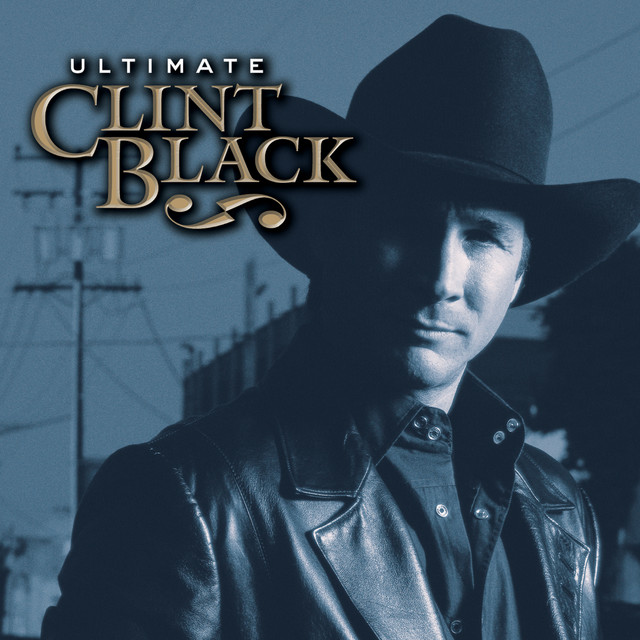
Why 'Killin' Time' Hurts So Much
The meaning of Killin' Time Clint Black comes down to a painful contradiction: they are trying to survive heartbreak by passing the hours, but that very coping habit is wearing them down. Clint Black's hit turns a casual phrase into a bleak confession. In this song, time is not healing anything. It is stretching out grief, feeding addiction, and trapping the speaker in a cycle they can see but cannot stop.
"Killin' Time" - Clint Black
When I thought I drank you off my mind
When I get lost in the liquor
Loading lyrics...
Unable to load lyrics
We're unable to display the lyrics at this time. Please try again later.
A Heartbreak Song With a Sharp Twist
On the surface, the setup is simple. Someone has lost a relationship and reaches for the bottle to dull the memory. But the writing adds a darker layer. Even when they try to drink the other person away, the memory comes back first. Short lines like drank you off my mind
and lost in the liquor
show that alcohol is not solving anything; it is making the past feel even closer.
That is the song's core insight. This is not just a sad love song. It is a song about failed escape. The speaker knows the relationship is gone, and they also know their habit is destructive. That self-awareness gives the lyrics their sting.
Watch the official Killin' Time
music video
The Chorus Rewrites the Whole Song
The chorus is why the song lasts. The phrase killin' time
usually means doing something to pass the hours. Black flips that phrase into a warning. When the singer admits killin' time is killin' me
, the song reveals its full meaning: distraction has become damage.
Interpretation: This line suggests more than boredom or sadness. It points to emotional collapse and hints at physical risk too. The mention of crossing a line and being buried raises the stakes. The speaker is not just nursing a broken heart; they are standing close to self-destruction.
That twist is classic country songwriting. It uses everyday language, then exposes the deeper hurt hidden inside it.
Who Is Speaking, and What Do They Want?
The narrator speaks in first person, but the emotional target is the absent lover. Everything circles back to them. The opening idea makes that clear: no matter what they drink, that person remains the first thought. In plain terms, they want relief, but what they really want is the impossible return of a lost love.
Another key line is lost in yesterday
. That phrase shows how time works in the song. The future barely exists. The present is a blur. The past is the only place the speaker can fully feel, even though it hurts.
How the Story Moves From Denial to Doom
The narrative is brief but effective. It unfolds in a few steps:
- They try to drink away a memory.
- The memory grows stronger instead of weaker.
- They admit the relationship is gone.
- They keep drinking anyway.
- They recognize the cost, but still cannot stop.
That final step makes the song heavier than many breakup singles. The speaker is not confused about what is happening. They know better. The line about keeping a grip on the bottle while getting loose captures that contradiction beautifully. They hold on to the very thing that is making them fall apart.
Country Symbols Doing Big Work
Black keeps the imagery simple, but each symbol matters:
- Bottle: not just drinking, but avoidance.
- Time: something to endure, not enjoy.
- Yesterday: the emotional home they cannot leave.
- Eternity: the fear that this pain may never end.
The phrase killin' time for eternity
is especially strong. It takes a temporary act and stretches it into forever. In other words, the speaker fears that one bad coping pattern could become their whole fate.
Interpretation: Some listeners may hear a spiritual shade in that word "eternity," not just a dramatic flourish. Whether taken literally or figuratively, it expands the song from one night of drinking into a much bigger reckoning.
How the Sound Carries the Sadness
"Killin' Time" appeared on Clint Black's debut album Killin' Time, released in 1989, a record that helped launch him as a major neotraditional country voice. The album produced multiple No. 1 country hits, according to AllMusic and the RIAA. Black co-wrote the song with Hayden Nicholas, his key early collaborator.
The production matches the lyric's balance of polish and pain. The steady rhythm section keeps things moving, almost like the unstoppable passing of hours. The guitar and fiddle coloring add classic country feeling without making the song melodramatic. Black's vocal delivery matters most: they sing with control, which makes the despair feel more believable. They do not sound wild; they sound worn down.
That restraint is important. A louder, more theatrical performance might have pushed the song into self-pity. Instead, the arrangement leaves room for the wordplay to land.
Why the Song Connected So Strongly
Part of the song's staying power is its clarity. Listeners do not need complicated poetry to understand it. Anyone who has tried to outwait grief can recognize the trap. But the song also rewards close listening because the central phrase keeps opening up. First it sounds casual, then sad, then dangerous.
It also arrived at the right time. Black was part of a late-1980s country wave that brought traditional sounds back into the mainstream, alongside artists like Randy Travis and Alan Jackson, as documented by the Country Music Hall of Fame. "Killin' Time" fit that moment perfectly: classic instrumentation, sharp writing, and real emotional weight.
The Lasting Meaning of 'Killin' Time'
The meaning of Killin' Time Clint Black is that heartbreak does not become harmless just because someone gives it a routine. The song shows a person turning pain into habit, then realizing the habit may finish what heartbreak started.
That is why it still lands. It is sad, but it is also brutally honest about avoidance. Interpretation: the song suggests that time alone does not heal; what matters is how a person lives through it.
Disclaimer: This interpretation is based on the song's lyrics, performance, and known context. As with most great songs, listeners may hear different meanings in it.








