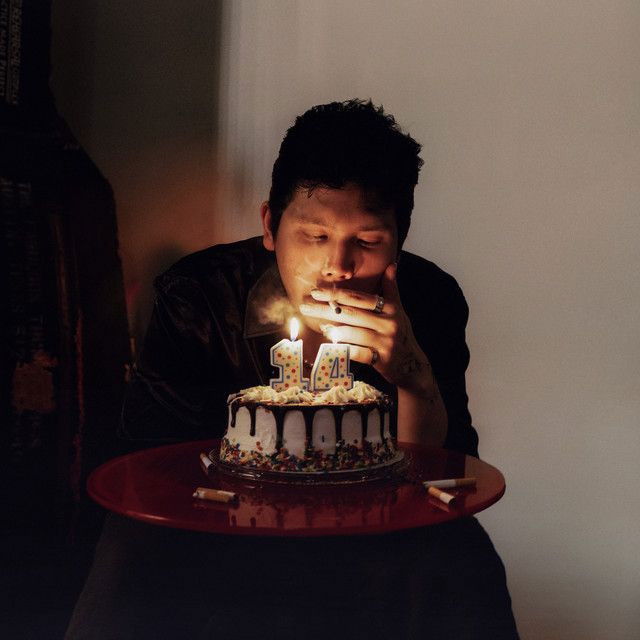
14 by Clinton Kane
Clinton Kane’s “14” is a quiet gut punch about growing up too fast and still not feeling like enough. It reads like diary entries stitched together—one moment spiritual, the next impulsive, always honest about the ache of becoming.
"14" - Clinton Kane
In the back of our car
Everyone is so far from me
Loading lyrics...
Unable to load lyrics
We're unable to display the lyrics at this time. Please try again later.
The Meaning of 14 Clinton Kane, in Plain Words
At its core, the meaning of 14 Clinton Kane is about identity in flux. The narrator looks back at key ages where they felt distant, restless, or reckless. Across these snapshots, the same truth keeps returning: they crave a self they can stand to live with.
Interpretation: the song suggests that self-worth isn’t a switch we flip but a muscle we build. The narrator keeps measuring themselves against silence, strangers, and bad nights, hoping to feel “enough.” The chorus delivers the heart of it—not a triumph, but an admission that the work of becoming is ongoing.
Watch the official 14
music video
Four Snapshots of a Shaky Climb
The verses unfold as a timeline, each age marking a different pressure point.
- At 14, faith is a searchlight:
Fourteen and I'm thinking 'bout God again
. The car’s backseat becomes a moving chapel, and distance grows inside a crowded world. - At 17, social dislocation sets in:
Seventeen and I'm feeling so out of place
. The line lands like a report from a hallway where every door feels wrong. - At 19, coping takes over:
getting so drunk again
. Affection blurs into “falling in love for a minute,” hinting at quick highs that fade. - At 20, escape turns concrete:
dropped out of school
. Waking up on a cold park bench is the image of a dream that didn’t protect them.
Together, these beats show restlessness hardening into routine. The singer keeps moving, but the same feelings follow.
The Chorus That Names the Wound
The hook crystallizes the conflict with one blunt wish: I wish I was somebody else
. It’s not envy of a specific person; it’s a longing to step outside their own head. That wish leads to a deeper confession: they want to feel “enough” for themselves, not just in the eyes of others.
Interpretation: the chorus reframes the verses as evidence for a single diagnosis—low self-worth. It explains the searching, the running, the brief flares of love. When the refrain returns, it doesn’t resolve; it loops, mirroring how self-doubt repeats until something breaks the pattern.
Symbols in Motion: Faith, Flight, and the Park Bench
The song’s images carry the themes without heavy metaphors. The backseat signals a child’s view of a world they don’t steer, even as they try to make sense of God and distance. The “circles” of daily life capture the exhausting sameness of anxiety. The park bench is a public place that feels like no place at all—home replaced by a hard surface.
Interpretation: the ages become road signs on a detour. Faith flares when control collapses; movement tries to outrun memory; quick love tries to fill a room that only trust can fill. None of it sticks because the core wound—self-acceptance—hasn’t healed yet.
Sound Choices That Sharpen the Feelings
“14” leans on a stripped, intimate arrangement that spotlights the vocal. Kane’s delivery sits close to the mic, catching breaths and breaks that feel like late-night thoughts. Soft keys, gentle strums, or subtle percussion (as heard in many of his ballads) keep the pulse steady while the words do the heavy lifting.
Interpretation: the production avoids big drops or glossy distractions. That restraint matches the lyric’s honesty—no fireworks, just a steady light on the thing that hurts. When dynamics swell, they read less like triumph and more like the heart pushing through another hard truth.
Alternate Angles Worth Considering
- Interpretation: a faith journey. The early God reference, paired with later collapse, frames the song as wrestling with belief when life does not deliver comfort on schedule.
- Interpretation: a mental-health postcard. The repetition, isolation, and self-critique sound like anxiety or depressive loops. The song doesn’t diagnose; it observes, which is part of its care.
- Interpretation: a love-and-loss echo. Those quick, minute-long crushes feel like practice for acceptance—training wheels that wobble because the rider still doubts their balance.
Takeaway
“14” is a mirror for anyone who has wished for a different self. It doesn’t give a neat fix; it gives language to the fog. That, sometimes, is where healing starts—by calling the ache what it is.
Disclaimer: Song meanings are interpretive. This article offers one informed reading based on the lyrics and public context.








