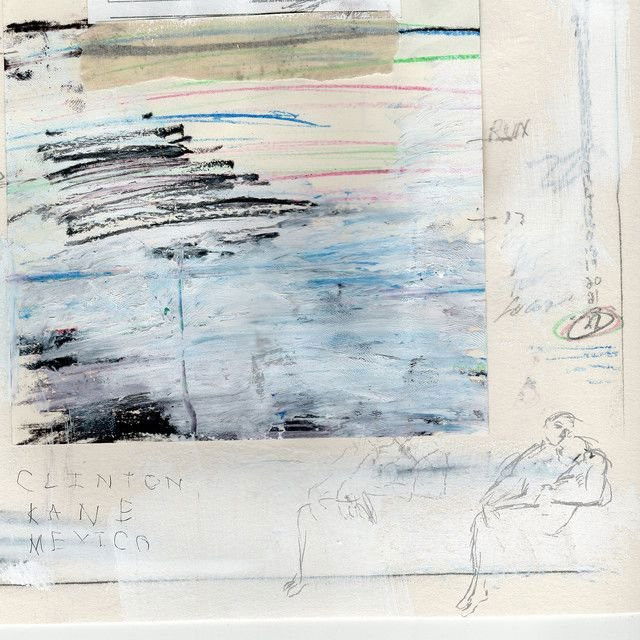
Why “MEXICO” by Clinton Kane Hurts So Much
The meaning of MEXICO Clinton Kane comes down to one painful idea: running away does not end inner pain. The song presents a narrator who feels trapped, emotionally exhausted, and desperate for relief. Even when they imagine distance, strangers, and a new country, the hurt follows them.
"MEXICO" - Clinton Kane
And these days I'm living on my bathroom floor
And it feels like I don't have another choice
Loading lyrics...
Unable to load lyrics
We're unable to display the lyrics at this time. Please try again later.
That is what makes “MEXICO” hit so hard. It is not really a travel song. It is a crisis song. Mexico works more like a symbol of escape than a simple setting.
Clinton Kane has built much of their public songwriting identity around emotionally direct pop, often centered on grief, loneliness, and personal struggle. That context matters here, because “MEXICO” fits the same honest style heard across songs tied to their 5AM era: stripped-back feelings, big vocal release, and lyrics that do not hide the mess.
The Core Meaning: Escape Fails When Pain Is Internal
At the center of the song is a person waking up already overwhelmed. The opening image of crying without knowing why suggests depression or emotional collapse that feels bigger than any one event. Then the detail about living on the bathroom floor turns that feeling physical. This is not polished sadness. It sounds like survival mode.
When the narrator says they want to run and never look back
, the song frames escape as both fantasy and warning. They are looking for somewhere else, or even a “temporary hack,” because their current life feels impossible to carry.
Interpretation: The song suggests that the desire to leave is not really about geography. It is about wanting silence inside their own mind.

Watch the official MEXICO
music video
A Chorus That Says the Quiet Part Out Loud
The chorus is the emotional center because it stops using symbols and says the pain directly. The repeated word Honestly
matters because it signals confession. The narrator is done pretending they are okay.
They admit they don’t feel like living
and cannot find a reason. That plain language is why the song feels so intense. There is no poetic shield around the feeling. The line about everything underneath them screaming shows that what others see on the surface is not the truth.
I don't see a reason
Underneath, all of me is screaming
Those two short lines summarize the song’s emotional split: numbness on top, panic underneath. The repetition in the chorus mirrors a thought loop, like the mind circling the same dark point again and again.
Why “Mexico” Matters as an Image
The title image is the song’s smartest move. In the second verse, the narrator wakes up down in Mexico
and talks to strangers as if they have no home. On one level, that sounds like a real runaway scene. On another, it feels dreamlike, almost dissociated.
Interpretation: Mexico represents distance, anonymity, and reinvention. It is a place far enough away that the narrator can act like another person. But the song quickly undercuts that fantasy. Strangers think they seem happy, yet the narrator says it is all performance.
That twist is crucial to the meaning of MEXICO Clinton Kane. Even in a new place, the same inner crisis remains. The setting changes; the self does not.
The Mask in Public, the Collapse in Private
One of the song’s strongest themes is the gap between appearance and reality. In private, the narrator is on the floor, crying, and unraveling. In public, strangers see someone who looks fine.
That split gives the song a social dimension. It is not only about personal pain. It is also about how easily suffering can hide in plain sight. The lyric about it being all a show
is blunt, but effective. It tells listeners that other people often read happiness where there is only acting.
This is one reason the song connected with fans. Clinton Kane’s audience has often responded to the directness of that kind of writing, especially in songs where emotional pain is described without much filter. Brief coverage from outlets like Rolling Stone has noted the confessional style that defines their work, and “MEXICO” is one of the clearest examples.
How the Sound Carries the Song’s Meaning
The production helps the lyrics land. Factually, the song is credited to Clinton Kane and Steve Rusch as writers. Even without a dense arrangement, the track feels heavy because of its pacing and vocal shape.
The likely pop-ballad structure does important emotional work:
- soft verses that feel isolated
- a rising pre-chorus that builds pressure
- a chorus that releases pain in a near-shout
- repetition that mimics mental spiraling
The melody leans upward into strain, which makes the chorus sound less like a performance and more like a breaking point. That matters. If the vocal were calmer, the song might feel reflective. Instead, it feels immediate and unstable.
Two Strong Readings of the Song
There are at least two useful ways to hear “MEXICO.”
Reading One: A literal breakdown and runaway fantasy
In this reading, the song tells a simple story. Someone wakes up in deep distress, dreams of escape, ends up far from home, and still feels empty. Mexico is a real place, but not a real solution.
Reading Two: A mental landscape, not a travel story
In this version, waking up in Mexico may be symbolic or dissociative. The song becomes less about movement and more about disconnection from self, home, and identity.
Both readings fit the text. That ambiguity is part of the song’s power.
Final Take on the Song’s Message
The meaning of MEXICO Clinton Kane is not that travel saves a person. It is that pain can follow them anywhere, especially when they are hiding it from everyone else. The song turns a faraway place into a mirror for loneliness, performance, and emotional survival.
It stays with listeners because it is so direct. They do not hear a neat recovery story. They hear someone telling the truth before they know how to fix anything.
Disclaimer: This article offers interpretation based on the released lyrics, performance, and available song context. Meanings can vary from listener to listener.








