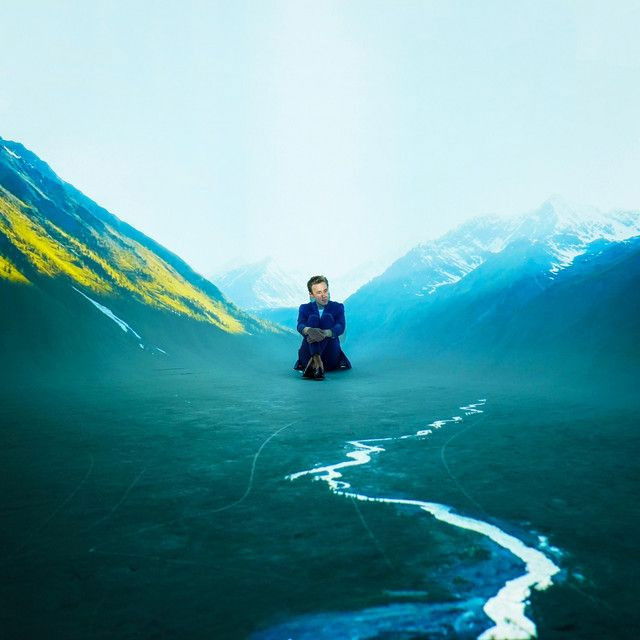
Why “Pictures of Mountains” Hits So Hard
The meaning of Pictures of Mountains Cody Fry comes down to one simple idea: looking at life is not the same as living it. The song turns a modern habit—scrolling, reading opinions, and watching other people’s lives—into a quiet emotional crisis. Then it offers a release.
"Pictures of Mountains" - Cody Fry
Reading about what’s inside
I look up opinions about news and religion
Loading lyrics...
Unable to load lyrics
We're unable to display the lyrics at this time. Please try again later.
Cody Fry’s lyric is plainspoken, but that is part of why it lands. It talks about phones, posts, fear, and avoidance in everyday language. By the end, the song argues that real awe, real friendship, and real feeling cannot be downloaded.
A Song About Nearness Without Contact
At first, the narrator is surrounded by information. They sit outside places, read about what is inside, and check what others think before trusting their own thoughts. The verses build a life of almost-experience: almost knowing, almost going, almost connecting.
That is the heart of the song’s sadness. The narrator is not completely cut off from the world; they are constantly brushing up against it. They know what people post. They know what restaurants serve. They know the arguments about public issues. But knowledge without presence feels thin.
This is why the lyric about reading friends’ updates instead of calling them matters so much. It shows convenience replacing relationship. The phone makes everyone seem available, yet the song asks why that still leaves a person alone.

Watch the official Pictures of Mountains
music video
The Central Metaphor Makes the Point Clear
The title image is the song’s best idea. A picture of a mountain can be beautiful, useful, even inspiring. But it is still flat compared with the real thing.
That metaphor expands across the whole track. The narrator can see representations of life, but not life itself. They can stand near restaurants and bars, but not enter. They can read reactions to religion and news, but not wrestle with those questions personally. They can watch friendship from a distance, but not feel the warmth of being truly known.
Interpretation: the mountain is not only nature. It stands for every large human experience that loses power when reduced to content—love, wonder, fear, grief, community, even belief.
How the Chorus Turns Isolation Into Imagery
The chorus gives the song its emotional force by using simple performance images. When Fry compares digital life to a waltz with no partner
, they describe activity without touch. When they mention singing duets as a solo
, they reveal the illusion of connection.
Those lines matter because they are not just clever. They show how online life can imitate social life. A person may feel involved while still being fundamentally alone. The phrase the harmony’s just in your head
pushes that idea further: imagined togetherness is still imagined.
This is also where the song becomes broadly relatable in the United States right now. Many listeners know the strange feeling of being hyper-connected and emotionally undernourished at the same time. The chorus gives that feeling a shape.
Fear Sits Under the Surface
Midway through, the song becomes more direct. The narrator admits that staying online is easier because people are complicated and life is heavy. That confession keeps the song from sounding smug or anti-tech.
The real obstacle is not just the phone. It is fear. The line about pretending not to know, followed by the admission of being scared, changes the song’s meaning. Avoidance is presented as self-protection.
Interpretation: the narrator uses screens as a buffer against disappointment, conflict, vulnerability, and uncertainty. Online life offers control. Real life does not.
That is why the weather image is so effective. Checking conditions is safer than stepping outside. In other words, preparation can become procrastination. Research can become refusal.
The Final Shift From Image to Experience
The ending gives the song its answer. After spending most of the track trapped in substitutes, the narrator finally stands in a real valley and looks up. That moment breaks the spell.
Instead of reading about awe, they feel it. Instead of consuming an image, they encounter scale, air, and presence. The body responds before the mind can explain it. Their heart beats faster. This is the feeling they had been chasing all along.
The closing idea—pictures of mountains
cannot hold that feeling—does not reject art or photography. It simply sets a limit. Representation can point toward reality, but it cannot replace it.
Why Cody Fry’s Style Fits the Message
Cody Fry is known for cinematic songwriting, orchestral color, and emotionally clear melodies, a style reflected across his official artist materials and releases.[1][2] That matters here because the song’s message depends on scale.
Even without quoting production notes line by line, listeners can hear how the arrangement supports the lyric. The verses feel contained and conversational, matching the narrator’s enclosed routine. As the song opens up, the harmony and lift in melody suggest the larger world finally arriving.
Interpretation: the track’s expanding sound mirrors the move from screen-sized life to lived experience. The production does not just decorate the theme; it acts it out.
Why the Song Connects So Easily
Part of the meaning of Pictures of Mountains Cody Fry is that it names a normal habit without judging listeners too harshly. It understands why people hide in information, feeds, and secondhand opinions. Those spaces feel efficient and safe.
But the song also insists on a harder truth: safety can become emptiness. Seeing is not touching. Reading is not wrestling. Posting is not friendship. And a picture, no matter how sharp, is not a mountain.
The Lasting Takeaway
What makes this song memorable is its balance of honesty and hope. It begins with distance but ends with embodiment. The narrator does not just complain about modern life; they step back into the world.
That is why the song lingers. It reminds listeners that some of the best parts of being alive can only be understood in person.
Disclaimer: This interpretation is based on the released lyrics and publicly available artist context. As with any song, listeners may hear meanings that differ from this reading.








