
Why "Mamma Song" by Cody Jinks Hits So Hard
The meaning of Mamma Song Cody Jinks comes through fast: it is a letter of reassurance from a son who knows he caused worry, but wants his mother to hear that he has finally found steadier ground. The song is warm, plainspoken, and deeply human. Instead of dramatic poetry, Jinks uses everyday details to show a life that once felt unstable and now feels at least partly under control.
"Mamma Song" - Cody Jinks
And a half a bag of weed
I can't do it like I did when I was a kid
Loading lyrics...
Unable to load lyrics
We're unable to display the lyrics at this time. Please try again later.
That simple approach matters. Cody Jinks built his reputation outside the mainstream Nashville system, first in metal and then in independent country, a path noted in his official bio. That background helps explain why this song feels so direct. It does not chase polish. It sounds like someone sitting down, taking a breath, and telling the truth.
A Letter Home, Not Just a Country Ballad
At its core, the song is about gratitude, guilt, and recovery. The narrator is not claiming perfection. They admit they used to push things too far, and they know their mother spent many nights afraid for them. But the point of the song is not confession alone. It is comfort.
The image of sitting down with a pen turns the song into a written message rather than a face-to-face talk. That is important because the narrator says talking is difficult. By framing it as a note, Jinks makes the song feel more intimate. The listener is hearing something private.
When the chorus says doing alright now mama
, it sounds simple, but it carries years of history. This is not a casual update. It is a son trying to repay emotional debt with honesty.
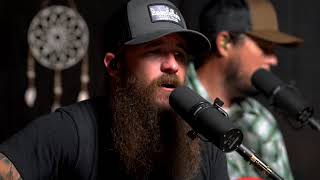
Watch the official Mamma Song
music video
The Story Hidden in the Small Details
Jinks fills the verses with ordinary objects: cheap beer, weed, paper, a pen, a truck, a phone call, a guitar. These details do two jobs at once.
First, they ground the song in working-class reality. This is not a glamorous picture of outlaw life. The opening image suggests limitation, age, and self-awareness. The narrator cannot live recklessly like they once did. They know there are limits now.
Second, these details chart personal growth. Early on, they mention a supportive partner who keeps food on the table and keeps them warm. That domestic image balances the rougher opening lines. It tells the listener that the narrator has built some kind of home.
A later verse adds history. They remember being stranded in Los Angeles, broke and unable to cover bills. Their mother helped keep them from losing the truck. That memory gives the chorus more weight. She did not just worry from afar. She stepped in when life was falling apart.
Three key turns in the narrative
- They admit their past was messy.
- They describe the support system around them now.
- They thank their mother for helping them survive the worst years.
That is why the song lands emotionally. It moves from survival to gratitude without pretending the old damage never happened.
The Mother Figure at the Center
The emotional engine of the song is the mother-son bond. She is presented as practical, forgiving, and spiritually constant. The line about her late night talks with Jesus
shows how the song treats prayer: not as a sermon, but as quiet care.
In other words, her faith becomes another form of labor. She cannot always be physically present when the narrator is on the road, but she can call, encourage, and pray. The song respects that kind of love as real work.
There is also a striking line about my father's son
. That phrase suggests family history, stubbornness, and maybe inherited trouble. Interpretation: the narrator may be saying their mother had to raise someone who carried another man's temperament, habits, or absence. In that reading, the lyric honors how hard her job really was.
I'm okay
your son will be alright
Those short lines summarize the whole emotional mission of the song. He is not asking for praise. He is trying to lower her fear.
What the Chorus Really Means
The chorus works because it mixes confidence with uncertainty. The narrator says they are okay, but then adds a condition: if the shows keep coming, if the guitar keeps working, things can stay stable. That makes the reassurance feel believable.
Rather than offering a neat happy ending, Jinks leaves some fragility in place. Touring is still the job. Music is still the lifeline. The phrase this old guitar
is more than a country image; it represents the one thing that carried them from chaos to purpose.
Interpretation: the chorus is both a promise and a prayer. The narrator wants to protect their mother from worry, but they also need to keep convincing themselves that this new life will hold.
How the Sound Supports the Meaning
Part of the meaning of Mamma Song Cody Jinks comes from how it sounds. Jinks is known for a rich baritone and stripped-back country arrangements, heard across records discussed by outlets like Saving Country Music. In this song, the likely focus is not flashy production but steady accompaniment.
That matters because the song needs space. A gentle tempo, clear acoustic texture, and unforced vocal phrasing let the words feel conversational. The performance sounds lived-in instead of theatrical. Jinks does not oversing the message, which makes the affection more believable.
There is also tension between the roughness of his voice and the tenderness of the lyric. That contrast mirrors the story itself: a hard life, a soft heart, and a mother who never stopped caring.
Why the Song Connects So Easily
Many country songs praise mothers, but this one stands out because it avoids idealized language. It does not put the mother on a pedestal so much as place her in the middle of real life. She helps financially. She checks in. She prays. She worries. She keeps loving.
For listeners in the United States, especially those from working families or rural backgrounds, that realism feels familiar. The song understands that love often shows up as a phone call before a gig, money when things go bad, or concern when someone has a history of self-destruction.
That is why the song feels bigger than one family. It is about the moment an adult child realizes how much a parent carried.
Final Take on Its Lasting Power
In the end, the meaning of Mamma Song Cody Jinks is about earned reassurance. It shows a son looking back at reckless years, recognizing a mother's loyalty, and trying to tell her that her faith and effort were not wasted.
The song's power comes from its restraint. It says love in a plain voice, and that plainness is exactly what makes it moving.
Disclaimer: This interpretation is based on the lyrics, performance, and publicly available artist context. As with any song, listeners may hear meanings that differ from this reading.








