Why “Hang Me Up to Dry” Still Cuts Deep
Cold War Kids turned a simple household image into one of indie rock’s sharpest breakup songs. The meaning of Hang Me Up to Dry Cold War Kids centers on emotional exhaustion: one person in a relationship feels used, drained, and then left behind.
"Hang Me Up to Dry" - Cold War Kids
In the muck and the mire
Careless in our summer clothes splashing around
Loading lyrics...
Unable to load lyrics
We're unable to display the lyrics at this time. Please try again later.
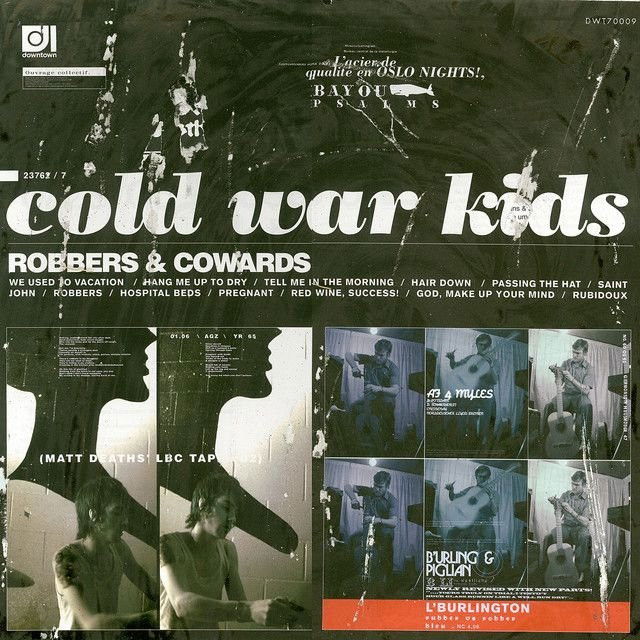
Factually, the song first appeared on the band’s 2006 EP Up in Rags and then on their debut album Robbers & Cowards. It was released as a single in 2007, reached No. 26 on Billboard’s Alternative Songs chart, and was later certified Gold in the United States by the RIAA. Those details help explain why the track became an early signature song for the band.
A Breakup Song Built From Laundry
The song’s main metaphor is easy to hear even without spelling everything out. Instead of using dramatic romance language, the lyrics compare the relationship to clothes being washed, wrung out, and left to dry. That makes the hurt feel physical.
When the singer says hang me up to dry
, they are not just asking to be left alone. They sound defeated, as if the relationship has already taken everything useful from them. The follow-up phrase you wrung me out
pushes that idea further. This is not a clean breakup. It feels repetitive, tiring, and one-sided.
Interpretation: the song is less about one bad argument and more about a pattern. The speaker seems trapped in a cycle where affection and damage keep happening together.

Watch the official Hang Me Up to Dry
music video
The Opening Scene Feels Young, Messy, and Doomed
The verses begin with a memory of people being carefree in summer, splashing through dirt and mess. That image matters because it sets up a contrast. At first, the relationship seems playful and alive, but the setting is already muddy.
Short phrases like summer clothes
and muck and the mire
suggest innocence mixed with trouble. They are having fun, but they are also getting stained. That is a smart way to show how a relationship can feel exciting even while it is going wrong.
Then the song gets more uncomfortable. Details about stains and mess point to consequences that can no longer be ignored. What started as lightness becomes residue.
All mixed up in the wash
Hot water bleeding our colors
This is the song’s clearest image of two people losing definition inside the relationship. Their colors are not blending in a romantic way. They are bleeding out.
What the Chorus Really Means
The chorus is catchy, but it is not triumphant. It sounds like a breaking point. Repeating too many times
turns the hook into a complaint about emotional overuse.
That repetition matters because it suggests history. The speaker has gone through this before. Each cycle weakens them a little more, which is why the laundry metaphor works so well: every wash fades fabric, every wringing strips strength.
The line about being the whites of your eyes
is especially striking. On one level, it evokes something pale and washed out. On another, it keeps the focus on intimacy. The speaker is close enough to notice someone’s eyes, but that closeness does not bring safety.
Interpretation: the chorus may be saying, “They can still see this person clearly, but being seen has not led to care.” That makes the song feel bitter and lonely at the same time.
How the Sound Carries the Hurt
Part of what makes “Hang Me Up to Dry” memorable is its rough, tense sound. The track is credited to all four original band members and co-produced with Matt Wignall. It was recorded in 2006 at Tackyland in Long Beach, California. Musically, published sheet music lists it in E minor at about 92 BPM, which supports its heavy, dragging pulse.
That pulse never feels polished. The piano hits are blunt, the rhythm section sounds restless, and Nathan Willett’s vocal delivery has a cracked, pleading edge. He does not sing like someone calmly explaining a breakup. He sounds like someone reliving it in real time.
Songfacts also notes the clicking at the end resembles a clothesline, a small production touch that fits the central metaphor. Even if a listener misses that detail, the arrangement still feels wiry and strained, like something pulled tight.
Why the Song Connected So Fast
Cold War Kids arrived during an indie-rock moment that rewarded personality over perfection. “Hang Me Up to Dry” stood out because it sounded handmade, nervous, and emotionally specific. Rolling Stone ranked it among the best songs of 2006, and the band performed it on major TV shows including Late Show with David Letterman and Late Night with Conan O’Brien. Those appearances helped turn the song into a breakthrough.
Its staying power also comes from how ordinary its images are. Anyone understands stained clothes, hot water, and faded colors. The band uses those simple objects to describe a relationship that has lost balance.
Two Strong Readings of the Song
There are at least two useful ways to hear it:
- A one-sided romance: This is the most direct reading. One partner gives more, gets hurt more, and ends up emotionally emptied.
- A broader song about identity inside love: The washing and color-bleeding images can also suggest losing a sense of self while trying to stay close to someone else.
Both readings fit the lyrics. What matters is that the song keeps returning to damage done through repetition, not just one dramatic collapse.
The Lasting Meaning
The meaning of Hang Me Up to Dry Cold War Kids is about what happens when affection turns into wear and tear. The song captures the moment when someone realizes they are no longer being loved in a healthy way; they are being used up.
That is why it still hits. Its images are plain, but the feeling is complex: nostalgia, anger, shame, and surrender all at once. Cold War Kids made that confusion sound raw and unforgettable.
Disclaimer: This interpretation separates verified release facts from lyrical analysis. As with most songs, meaning can vary from listener to listener.








