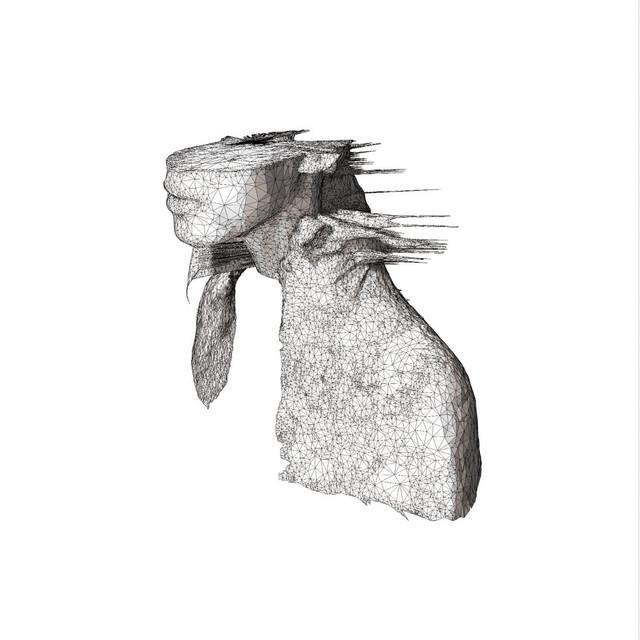
Why 'In My Place' Still Hits So Hard
For many listeners, the meaning of In My Place Coldplay starts with a simple feeling: being trapped between regret and hope. The song sounds open and soaring, but its words are full of uncertainty. That tension is why it still lands so strongly more than two decades later.
"In My Place" - Coldplay
Were lines that I couldn't change
I was lost, oh yeah
Loading lyrics...
Unable to load lyrics
We're unable to display the lyrics at this time. Please try again later.
Released in 2002 as the lead single from A Rush of Blood to the Head, the track helped mark Coldplay’s next step after Parachutes. It was written by Chris Martin, Jonny Buckland, Guy Berryman, and Will Champion, and produced by Ken Nelson with the band. It also became Coldplay’s first No. 1 on a Billboard chart when it topped Adult Alternative Airplay, and it later won a Grammy for Best Rock Performance by a Duo or Group with Vocal.
The Heart of the Song: Acceptance With a Wound
At its core, the song is about living with a position they did not fully choose. Chris Martin explained that it was about where a person is placed in the world, the way they look, the role they are given, and how they have to keep going anyway. That quote matters because it pushes the song beyond a simple breakup story.
In the opening lines, the speaker feels pinned down by circumstances. When they sing in my place
and mention lines that I couldn't change
, the song suggests limits that feel fixed. Those could be social limits, personal mistakes, or emotional realities that cannot be undone.
Interpretation: Many fans still hear a love song here, and that reading makes sense. But the song works best as something wider: a portrait of a person trying to endure disappointment without giving up.

Watch the official In My Place
music video
Regret, Guilt, and the Sense of Being Lost
The word lost
appears again and again, which gives the song its emotional center. This is not just confusion. It feels like a mix of shame, exhaustion, and self-awareness.
Another key phrase, crossed lines
, hints at guilt. The speaker seems to know they made mistakes, or at least moved into emotional territory they should have avoided. That gives the song a moral edge. They are not only sad; they are also aware of their own part in the pain.
This is why the lyrics feel so human. The narrator is not posing as a victim. They sound like someone who is scared, tired, and trying to face reality honestly.
Why the Chorus Hurts So Much
The chorus asks how long someone must wait and pay. Those are simple words, but they carry a heavy idea: love, healing, and self-acceptance all come with a cost.
Instead of offering resolution, the hook stretches out the uncertainty. The speaker does not know when relief is coming. They only know they have to keep enduring it.
How long must you wait for it?
How long must you pay for it?
That two-line refrain captures the whole emotional world of the song. Waiting is painful enough, but paying suggests consequence. The person may be waiting for forgiveness, for love to return, or for life to finally make sense.
A Love Song, But Not Only a Love Song
One reason the track lasts is its openness. The section built around if you go
and the promise to wait clearly sounds romantic. The speaker fears abandonment and still stays loyal.
Interpretation: This can be heard as unrequited love, a breakup plea, or even an apology after betrayal. But it can also describe a person waiting for peace, purpose, or confidence to come back. The lyrics never lock themselves into one storyline, which lets listeners bring their own lives into the song.
That flexibility is part of the brilliance. Coldplay wrote something deeply specific in feeling, yet broad in meaning.
How the Sound Carries the Meaning
The music is a big reason the song feels larger than its words. It opens with a crash cymbal, then a firm drum pattern, then Jonny Buckland’s famous three-note guitar figure. That guitar line is bright and clean, but also lonely. It sounds like motion without arrival.
The rhythm section keeps pushing forward, even when the lyrics describe fear and uncertainty. That matters. The arrangement turns private pain into momentum.
Chris Martin’s vocal is also key. He does not over-sing it. Instead, he sounds strained in a believable way, especially on lines about being scared and underprepared. The performance suggests someone trying to stay upright while their emotions pull the other way.
Strings in the background add lift, but they do not erase the ache. The whole production balances sadness with endurance, which matches the song’s central idea: life hurts, but they keep moving.
Why It Mattered for Coldplay
"In My Place" came from an important moment in the band’s story. According to reporting collected by Wikipedia and Songfacts, the song existed before Parachutes and became one of the early anchors for A Rush of Blood to the Head. Chris Martin even described it as a song that restored the band’s confidence.
That context helps explain its energy. It feels like a bridge between uncertainty and belief. The band sound tighter, bolder, and more anthemic than before, but the vulnerability is still there.
The Lasting Meaning of In My Place
The meaning of In My Place Coldplay lies in its blend of resignation and hope. It is about being given limits, making mistakes, feeling abandoned, and still choosing to wait, endure, and sing through it.
That is why the song still reaches people. It understands that some problems cannot be fixed quickly. Sometimes all a person can do is admit they are lost, stay present, and keep going.
Disclaimer: This interpretation mixes documented artist comments with critical reading of the lyrics and sound. Like many Coldplay songs, its meaning remains open to personal interpretation.








