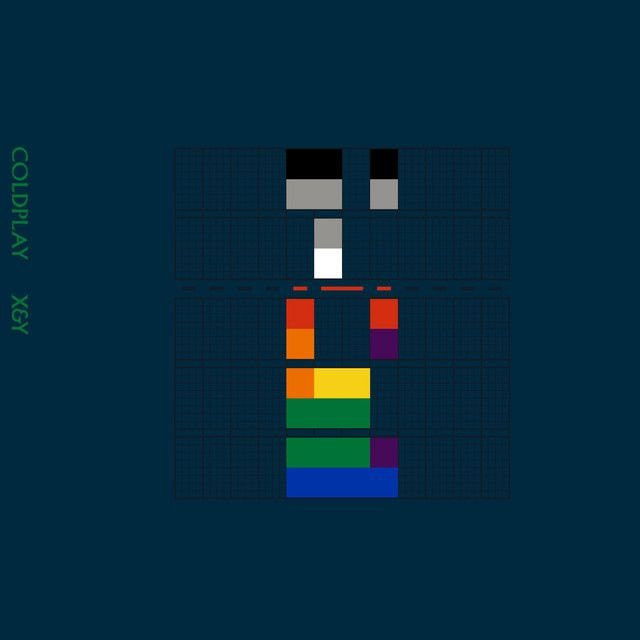
What If by Coldplay
The heart of the song
The meaning of What If Coldplay centers on fear inside a fragile relationship. The song imagines the moment before love falls apart, when one person starts asking painful questions and cannot stop. Instead of sounding angry, they sound scared, reflective, and still hopeful.
"What If" - Coldplay
Nothing wrong, nothing right
What if there was no time?
Loading lyrics...
Unable to load lyrics
We're unable to display the lyrics at this time. Please try again later.
Released on Coldplay’s X&Y album in 2005, “What If” fits the band’s mid-2000s style: emotional piano, slow build, and a big chorus that tries to turn doubt into courage. The song was written by all four members of the band. That matters because it feels like classic Coldplay teamwork: Chris Martin’s vulnerable voice, Jonny Buckland’s echoing guitar, Guy Berryman’s steady bass, and Will Champion’s patient drumming all support the same emotional arc.
At its core, the song asks a simple question: what happens when love may not survive? But it also asks something larger. What if life has no clear rules, no clean answers, and no guarantee that trying will work? That tension gives the song its lasting pull.

Watch the official What If
music video
A mind trapped in “what if”
The verses are built from repeated doubts. The speaker wonders about truth, time, mistakes, and whether they still belong in another person’s life. Those questions create the feeling of someone mentally circling the same fear.
Early on, phrases like no lie
and no reason, or rhyme
suggest a world without order. The relationship problem is not just romantic. It feels existential, as if losing this person would also shake their sense of how the world works.
Then the song gets more personal. The repeated worry about not being wanted by your side
shows the real emotional wound: rejection. They are not only afraid of a breakup. They are afraid of becoming irrelevant to someone they love.
When regret enters the picture
A key turn comes when the singer imagines having caused the damage. The line about getting it wrong, followed by the idea that no art can fix it, gives the song a painful honesty. They are someone who believes in words, songs, and emotional expression, yet here even those tools seem weak.
That is one of the strongest parts of the meaning of What If Coldplay. It admits that saying sorry beautifully does not always heal a relationship. A poem cannot undo a wound. A song cannot force belonging.
Interpretation: This section can be read as a critique of romantic overconfidence. People often think the right speech, gesture, or grand emotional display can repair trust. “What If” suggests the opposite. Sometimes the damage is real, and the only honest response is to face that uncertainty.
The chorus turns fear into a dare
The chorus changes the song’s energy. Instead of only asking questions, it pushes toward action. The phrase jump over the side
sounds dramatic, but in context it is less about danger than surrender. It means taking the emotional risk anyway.
Let's take a breath
jump over the side
How can you know
if you don't even try?
This is the song’s emotional hinge. After all the spiraling thoughts, the chorus says uncertainty is unavoidable. Since nobody can know the outcome in advance, the only real option is to act with courage.
That idea becomes even clearer later when the song says darkness turns into light. The message is not that everything will be fine. It is that despair is not permanent. Even if love is risky, avoiding the risk is its own kind of loss.
The story moves in three steps
The song’s narrative is simple but effective:
- They question reality and the relationship.
- They fear they may have failed the person they love.
- They decide that trying is still better than hiding.
That structure gives “What If” a quiet drama. The first half is inward and anxious. The second half opens outward and becomes almost motivational. Coldplay often write songs that move from loneliness to shared uplift, and this track follows that pattern.
How the music carries the meaning
The production helps explain why the song feels so intimate. “What If” begins softly, with piano setting a reflective mood. The arrangement leaves space around the voice, which makes the doubts feel private and immediate.
As the song grows, the drums and guitars do not rush the moment. They rise carefully, giving the chorus a sense of earned release rather than sudden explosion. Listeners can hear that classic Coldplay dynamic swell also heard across X&Y. It mirrors the lyric journey from overthinking to emotional leap.
Chris Martin’s vocal delivery matters too. He sings with strain, but not with total collapse. That balance is important. If he sounded fully defeated, the hopeful lines would not land. Instead, he sounds like someone talking themselves into bravery while still shaking.
Two strong ways to read it
Interpretation 1: The most direct reading is that this is a relationship song about possible separation. The repeated fear of not being wanted in someone’s life supports that view.
Interpretation 2: It can also be heard as a broader song about faith in uncertain times. The opening questions about truth and time reach beyond romance. In that reading, the song is about choosing hope when life stops making sense.
Both readings work because Coldplay leave the wording open enough for listeners to bring in their own losses, choices, and second chances.
Why the song still connects
“What If” is not one of Coldplay’s biggest hits, but it remains meaningful because it captures a common emotional loop: imagining every bad outcome before anything has happened. It understands that love can make people philosophical, guilty, terrified, and brave all at once.
For many listeners, that is the lasting meaning of What If Coldplay: fear does not cancel love; it proves how much is at stake. The song does not offer certainty. It offers a gentler truth—that trying, even with no guarantee, is how people move from darkness toward light.
Disclaimer: This interpretation is based on the song’s lyrics, recording context, and public release history. As with most art, listeners may reasonably hear different meanings in it.







