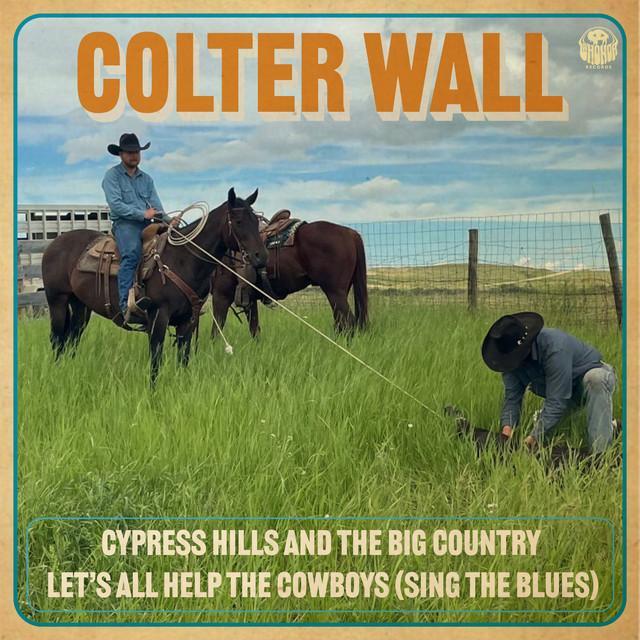
Why Colter Wall Sings the West as Living Truth
The meaning of Cypress Hills and the Big Country Colter Wall centers on place. Not place as postcard beauty, but place as memory, labor, and relief. The song paints the Cypress Hills and the prairie below as a real refuge: somewhere a person can breathe, work, and briefly slip under the weight of modern trouble.
"Cypress Hills and the Big Country" - Colter Wall
The old man on his back
Prickly pears, a blue moon
Loading lyrics...
Unable to load lyrics
We're unable to display the lyrics at this time. Please try again later.
It also makes a larger point. This is not a nostalgic song that says the West only exists in stories. Instead, it argues that western life is still active in the present, carried by ranch work, local knowledge, and a bond with the land.
A Landscape Song With a Human Core
At first, the lyric seems to be all scenery. They move through small, exact details: signs of wildlife, dry plants, old cans, open slopes, cattle, and wide sky. Those details matter because they place the listener inside a lived-in world, not a fantasy.
When Wall mentions signs like bear paws
or the short and native grass
, he is not just decorating the song. He is showing how a place reveals itself to people who know how to read it. The land has history on its surface.
Interpretation: this is why the song feels intimate even though it describes a huge space. The focus is not on conquering the land. It is on noticing it.
The Chorus Turns Space Into Shelter
The song’s emotional center arrives in the repeated image of the hills and the country below as a place where life is still
. That does not mean lifeless. It means unhurried, quiet, and outside the speed of ordinary stress.
The next idea sharpens that mood: a man can be alone
. In context, that sounds less like loneliness and more like release. The song imagines solitude as something healthy, a chance to reset.
Wall makes that feeling physical with the image of a pronghorn slipping under a fence. The line about getting under trials and troubles
suggests temporary escape, not permanent denial. A person cannot erase hardship, but they can find cover from it for a while.
Cypress hills
And the big country below
where life is still
That short refrain works like a deep breath. Each return to it widens the song’s meaning from local geography to emotional refuge.
Why the Details Feel So Convincing
Part of the song’s power comes from Colter Wall’s public image and background. Coverage around the release noted that the Saskatchewan-born singer has built a reputation partly through real ranch work alongside music, and that this track arrived in a 2022 two-song release on La Honda Records after his 2020 album Western Swings & Waltzes And Other Punchy Songs (Stereogum).
That context matters because the song sounds observed rather than invented. Even listeners who do not know the region can hear the difference. The lyric notices old equipment, grazing patterns, brush, tree lines, and weather colors with the care of someone who has actually been there.
Factual context: the same report says the song was recorded with multi-instrumentalist Patrick Lyons and describes it as a warm acoustic track about working the land (Stereogum). That stripped-down setup fits the subject perfectly.
The Sound Keeps the Song Honest
There is no oversized arrangement here to romanticize the material. The acoustic feel gives the performance a plainspoken quality. It lets the images stand on their own.
Wall’s low, weathered voice is important too. Critics often point to his older-sounding baritone; Stereogum called it an “intense, lived-in baritone” in its release coverage. Whether a listener hears Waylon Jennings in that tone or not, the effect is clear: the voice gives authority to simple lines.
Interpretation: the production mirrors the landscape. It is spacious, restrained, and sturdy. The song does not rush because the place it describes does not rush either.
The Last Verse Makes the Argument Plain
The ending is the key to the song’s larger message. After all the observing and wandering, Wall turns toward an idea people often repeat: that the West is gone. He pushes back on that claim.
When the lyric says people still drag calves to the fire
, it brings the song down to labor. That image is not glamorous. It is practical, hard, and communal. In one stroke, Wall answers the myth of a dead West with evidence of work still being done.
This matters because the song avoids easy nostalgia. It does not say the past was better. It says a way of life continues in present action. The West survives not as costume, but as chores, weather, animals, fences, and people who keep showing up.
A Quiet Defense of Regional Identity
One of the most effective things about the meaning of Cypress Hills and the Big Country Colter Wall is how modestly it makes its case. The song never lectures. It simply describes a region so carefully that the argument emerges on its own.
Interpretation: listeners can hear at least two meanings at once:
- a personal refuge from stress and noise
- a cultural defense of working western life
Those meanings support each other. The land offers peace because it is still shaped by real use, not just memory.
Why the Song Stays With People
The song lingers because it balances calm with conviction. It offers beauty, but not softness. It honors solitude, but not escape from responsibility. And it treats the land as something known through effort, not fantasy.
For many listeners, that is the song’s deepest pull. It makes stillness feel earned.
Disclaimer: This interpretation is based on the released lyrics, performance, and publicly available reporting. As with any song, meaning can vary from listener to listener.







