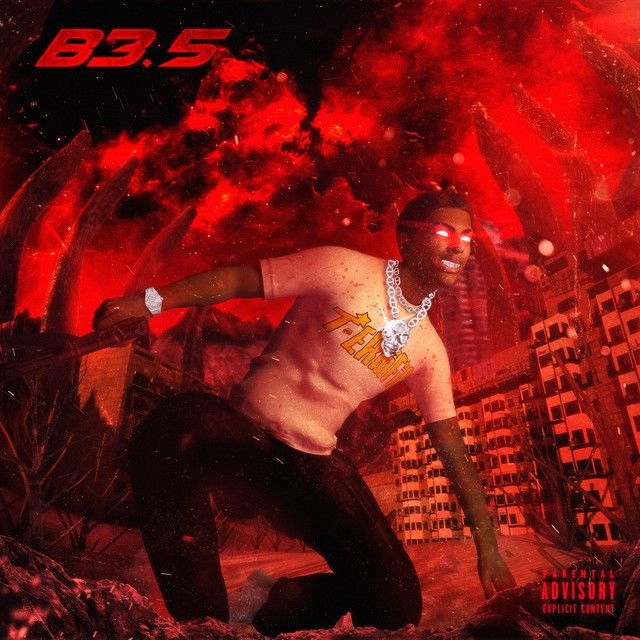
NO EVIDENCE by Comethazine
A Brutal Hook With One Clear Idea
The meaning of NO EVIDENCE Comethazine starts with its title. The song is built around the idea of threat, retaliation, and erasing traces afterward. It is not subtle. Comethazine presents a voice that treats conflict like routine business, then turns that mindset into a hook about not leaving proof behind.
"NO EVIDENCE" - Comethazine
We outside the spot now, nigga, time to get ugly
Have him shitting in his pants, nigga, pass him a Huggie
Loading lyrics...
Unable to load lyrics
We're unable to display the lyrics at this time. Please try again later.
That makes the song feel colder than many standard rap threats. It is not just about being feared. It is about being efficient, unemotional, and impossible to pin down. When they repeat no evidence
, the line becomes more than a crime image. It becomes the song’s whole identity: ruthless action without remorse.

Watch the official NO EVIDENCE
music video
The Persona at the Center
Fear as Self-Protection
On the surface, the song sounds like direct street intimidation. Someone says they will rush him, and the response is immediate. The opening frames the whole track as a reaction to disrespect, with lines like time to get ugly
pushing the mood from tension into open threat.
Interpretation: the song’s narrator is performing invulnerability. They do not only want to win a confrontation; they want to make the other person look foolish for even trying. That is why some bars lean on humiliation, not just danger. The point is dominance.
Distrust Spreads Beyond Enemies
The second verse widens that attitude. It moves from rivals to money, women, and old habits. When Comethazine says he cannot trust people around him, the song starts to sound less like one incident and more like a worldview. In that worldview, fame has not softened him. It has made him more suspicious.
That connects to a familiar theme in Comethazine’s music: success does not bring peace. It only changes the scale of the pressure.
How the Verses Build the Story
The song is short, but it still creates a rough timeline:
- A rival makes a threat.
- Comethazine answers with vivid promises of retaliation.
- He stresses cleaning up the scene and avoiding proof.
- He shifts into distrust, drug use, and past street memories.
- He ends by tying old hustling, weapons, and rap success together.
This is why the track feels so compressed and aggressive. There is almost no reflection between images. One violent idea crashes into the next.
Catch him lackin'
clean up the spot
Who gon' leave some evidence?
That short sequence sums up the song’s logic. Threat first, action second, cleanup third. Even the structure sounds like a checklist.
Street Detail as Image-Making
One of the sharpest writing choices in the song is how ordinary brand and location details make the violence feel physical. The image of blood on sneakers, followed by not washing them and instead replacing them, is especially important. It turns the aftermath into a flex.
Interpretation: this is less about realism than image control. Comethazine takes something ugly and turns it into style. That is central to the song’s menace. The narrator is not shaken by what happened; they absorb it into their swagger.
The same thing happens when he mentions old neighborhood ties and summer hustling. Those details do not slow the song down to confess or explain. They work like credentials. They tell listeners that the current persona comes from somewhere, even if the track presents that history in blunt, exaggerated snapshots.
Why the Beat Matters So Much
“NO EVIDENCE” appears on Bawskee 3.5, Comethazine’s 2019 mixtape released through Alamo and Interscope. The track is credited to writers Frank Childress and Divjot Anand, with production by Div, according to the project credits listed there.
That production matters because the song’s meaning is carried as much by sound as by words. The beat is sparse, hard, and uncluttered. There is very little warmth in it. Instead of melody inviting listeners in, the instrumental leaves open space for every threat to land harder.
Comethazine’s delivery fits that design. They rap in a clipped, forceful way, often sounding more like they are barking commands than telling a story. That style removes emotional softness. It makes even absurd punchlines feel sharp and immediate.
Context Within Comethazine’s Catalog
Comethazine built much of his reputation on short, explosive songs full of taunts, confrontation, and dark humor. On Bawskee 3.5, critics noted that his violent rap style stayed consistent even as he played with beat choices. That context helps explain “NO EVIDENCE.” It is not an outlier. It is a concentrated version of his core formula.
The tape itself reached No. 53 on the Billboard 200, which shows there was a sizable audience for this style. Reception was mixed, but even skeptical reviews often recognized how committed Comethazine was to this abrasive lane. “NO EVIDENCE” shows why: the song is memorable because it never pretends to be anything else.
A Song About Violence, Performance, and Control
The deepest meaning of NO EVIDENCE Comethazine may be less about literal action than about performance. The song turns danger into theater. Every image is designed to project control: control over enemies, over fear, over the crime scene, and over the artist’s own reputation.
That does not make the content harmless. The song’s power comes from how coldly it treats brutality. But artistically, that coldness is the point. It creates a character who believes hesitation equals weakness.
Final Take on the Message
“NO EVIDENCE” is about more than revenge. It is about crafting an identity that cannot be tested, rattled, or traced. Through blunt threats, distrustful lines, and minimal production, Comethazine creates a world where survival depends on intimidation and emotional detachment.
For some listeners, that will read as pure shock rap. For others, it is a portrait of paranoia and power mixed together. Interpretation: both readings can be true at once.
Disclaimer: This interpretation is based on the song’s lyrics, delivery, and available release context. As with any rap song, meaning can include persona, exaggeration, and artistic performance, not only literal autobiography.








