Why Common's Hip-Hop Love Story Still Hurts
The meaning of I Used to Love H.E.R. Common starts with one of rap’s smartest ideas: Common turns hip-hop into a woman and tells the story like a lost relationship. What sounds like a breakup song slowly reveals itself as a critique of the culture, the business around it, and the way success can change art.
"I Used to Love H.E.R." - Common
To the beat, y'all, and you don't stop
Yes, yes, y'all, and you don't stop
Loading lyrics...
Unable to load lyrics
We're unable to display the lyrics at this time. Please try again later.
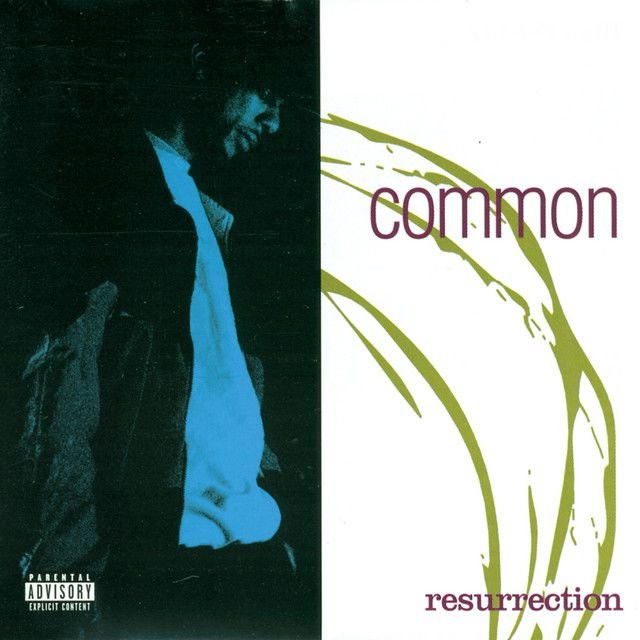
Released in 1994 as the lead single from Resurrection, the track arrived when Common was still billed as Common Sense. Factually, it was produced by No I.D., built around a sample of George Benson’s The Changing World, and became one of Common’s defining records. It is widely recognized as a landmark of conscious, jazz-leaning rap and one of his best-known songs.
A Metaphor That Opens in Plain Sight
At first, the song sounds personal. Common says he met this girl young, loved her soul, and stayed close as both of them grew up. That setup matters because it makes hip-hop feel lived-in, not abstract. They are not just describing a genre. They are describing a bond.
Then the reveal sharpens everything. By the end, the listener understands that the woman is hip-hop itself. The famous closing line, hip-hop
, flips the whole narrative backward and gives each earlier image a second meaning.
Interpretation: this is why the song still lands so hard. It is not just complaining about change. It shows how change feels when someone believes they grew up with the culture.

Watch the official I Used to Love H.E.R.
music video
How the Story Tracks Hip-Hop's Changes
Common organizes the song like a timeline. In the early section, hip-hop is old school
, soulful, original, and still close to the community. They frame that period with affection, suggesting a scene driven more by craft and local identity than by trend chasing.
In the middle, she expands. She becomes more visible, more stylish, and more marketable. Common does not reject all of that. In fact, they sound open to growth. The song makes room for experimentation and regional change, especially as hip-hop spreads beyond one scene.
The problem comes when growth turns into performance. Once image and money take over, Common suggests the culture starts losing its center. He points to gimmicks, commercial packaging, and a new appetite for exaggerated toughness.
I used to love H.E.R.
Went and messed up
That brief refrain carries the heartbreak. The complaint is simple, but the emotional point is bigger: they still care, which is why the disappointment sounds so personal.
What Common Is Critiquing—and What They Are Not
A shallow reading says the song only attacks West Coast rap or gangsta rap. That is too narrow. The lyrics mention geography and style shifts, but the target is larger: commercialization, forced images, and the industry pressure that rewards whatever sells.
When Common describes how The Man
changed her, they place blame on the system around the music, not just on artists. That line points to labels, marketing logic, and a wider business machine that can reshape what hip-hop values.
This is also why the song has aged well. The concerns are still familiar:
- art turning into branding
- shock value replacing depth
- industry trends overruling local culture
- authenticity becoming a costume
Interpretation: Common is not arguing that hip-hop should never evolve. They are arguing that evolution without soul can feel like betrayal.
Why the Production Makes the Meaning Clearer
No I.D.’s beat is a huge part of the song’s power. The production uses George Benson’s The Changing World, and that title alone feels almost too perfect for the theme. More importantly, the sample creates a reflective, warm mood instead of a hard or chaotic one.
That choice matters. The track does not sound angry first. It sounds thoughtful. The drums move with confidence, but the jazz-rap texture gives Common room to narrate, judge, and mourn without shouting.
This balance helps the metaphor work. If the beat were harsher, the song might feel like a rant. Instead, it feels like memory. Critics have often highlighted that quality, and the record is still praised as a classic, bittersweet ode to hip-hop.
The Song's Place in Common's Career
The single helped establish Common as a major voice in conscious rap. It appeared on Resurrection and remains one of the most celebrated songs in his catalog. It also had real cultural reach, charting on Billboard and earning long-term critical respect.
Its influence extends beyond Common’s own work. Kanye West’s Homecoming
has been directly linked to this song’s concept, using a similar personification device to turn a place into a woman and explore change, memory, and distance. That connection shows how durable Common’s writing idea was.
Why It Still Resonates Now
The meaning of I Used to Love H.E.R. Common remains relevant because every generation asks the same question: what happens when a culture gets bigger than its roots? Common turns that debate into a story of love, pride, and disappointment.
The song does not offer a clean solution. It ends with hurt, but also with commitment. They are not walking away from hip-hop. They are trying to reclaim it.
That is the final twist. Beneath the criticism is loyalty. Common sounds wounded because they still believe the culture can be better.
Disclaimer: This interpretation is based on the lyrics, historical context, and widely discussed critical readings. As with any song, listeners may hear additional meanings.









