
Love on a Leash: Conan Gray’s Endless Wound
Conan Gray’s ballad isn’t just sad—it’s strategic. It maps the cycle of wanting boundaries, breaking them, and then blaming yourself for the relapse. If you’ve ever asked why the same hurt keeps returning, this breakdown of the meaning of The Cut That Always Bleeds Conan Gray will meet you right there.
"The Cut That Always Bleeds" - Conan Gray
A pretty line that I adore
Five words that I've heard before
Loading lyrics...
Unable to load lyrics
We're unable to display the lyrics at this time. Please try again later.
What This Heartbreak Really Says
At its core, the song is about emotional whiplash. One person leaves for someone else, then returns when it falls apart. The narrator tries to set limits—begging them to leave, better do it fast
—but the pattern continues.
Interpretation: the “cut” is a wound love keeps reopening. It never scabs over because the push‑pull romance keeps slicing at it. By naming the injury, Gray shows the toll of half‑commitments and delayed goodbyes.
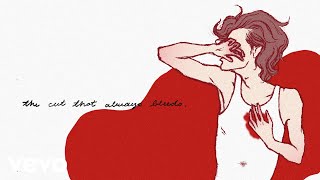
Watch the official The Cut That Always Bleeds
music video
Who’s Talking, and Who’s Being Addressed
The voice is first person, speaking directly to a partner who won’t decide. The intimacy of the address (“you”) builds the power imbalance: the visitor controls the door, the timeline, and the oxygen in the room. The narrator is both injured and complicit, aware of the manipulation—their partner wears the lie between your teeth
—yet still waiting for the next knock.
Interpretation: the song captures how people in toxic loops can be clear‑eyed about harm while still craving the very person causing it.
The Story, Beat by Beat
- They’re put on hold while the partner tries someone new.
- The partner returns, soothing bruises and promising permanence.
- The narrator demands an end to the cycle—no more part‑time love.
- A confession of dependence creeps in, and the boundary collapses.
- The final image leaves the wound open, not healed.
Each beat escalates: from warning, to refusal, to surrender. By the end, resolve and need are fighting to a draw.
The Refrain That Rewrites the Verses
The chorus is the ultimatum that keeps failing. It’s the one place where the narrator says what they mean and means what they say—until they don’t. The hook turns the verses’ specific incidents into a pattern.
Oh, I can’t be Your lover on a leash Every other week When you please
Interpretation: “lover on a leash” is the heart of the metaphor. A leash implies control and distance—close enough to touch, never free to run. The phrase takes a tender role and makes it humiliating.
Symbols and Motifs That Sting
- The leash: conditional access to love, granted and revoked.
- Rope/noose: anxiety and immobilization; high stakes for staying.
- Bruises and stabs: accumulated harm from repeated betrayals.
- The door: the revolving point of return; hope’s trap.
- The wound:
the cut that always bleeds
—a pain renewed before it can heal.
Interpretation: these images map the body as a ledger of emotional debt. Each visit reopens the account.
How the Sound Bleeds Into the Story
Musically, the track leans on spare piano and a patient tempo. Gray’s vocal sits close and breathy at first, like a late‑night plea, then swells into a strained, near‑shouted climax. That dynamic arc mirrors the narrative: firm boundary, rising panic, final collapse.
Subtle reverb and layered harmonies widen the space as emotions spiral, while strings (or synth pads shaped like them) bloom under the chorus to heighten drama. The production doesn’t clutter; it leaves air, letting the lyric land with clarity. When the melody lifts on the ultimatum, you hear conviction. When it breaks on the confession, you hear surrender.
Context in Conan Gray’s World
The song lives on Gray’s 2020 debut album Kid Krow, a project built on diaristic pop confessions about unrequited love and messy fallout. Across the album, he often writes from the edge of rejection, documenting the moments when pride and longing are at war. This track fits as the “post‑breakup relapse” chapter—after the first No, before the real goodbye.
Alternate Readings Worth Considering
- Interpretation: an addiction metaphor. Lines like
say you love somebody new
echo the chase for a stronger high, and the return mirrors withdrawal relief—short, costly, and unsustainable. - Interpretation: a study in self‑betrayal. By asking for clarity and then folding, the narrator admits they may be their own reopen wound.
Neither reading cancels the other. They stack, explaining why the song feels both intimate and universal.
Takeaway: Why It Sticks
The song endures because it names a common hurt without glamorizing it. It shows how people bargain with pain and how soft promises can cut the deepest. If you’re searching for the meaning of The Cut That Always Bleeds Conan Gray, it’s this: love without commitment can feel like oxygen withheld.
Disclaimer: This is an interpretive analysis based on the released recording and public context; listeners may reasonably hear it differently.








