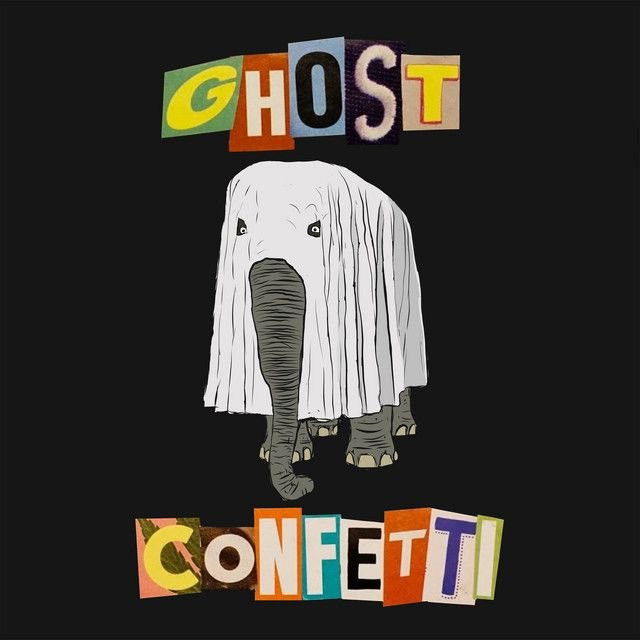
Ghost by Confetti
They took a modern dating move—ghosting—and made it sound like a party trick. The meaning of Ghost Confetti comes down to a clean, if messy, boundary: when the spark fades and expectations rise, the narrator vanishes rather than negotiate. It’s blunt, catchy, and self-aware, which is why the hook lingers even after the phone goes dark.
"Ghost" - Confetti
La-la-la-la, la-la, la-la
Look, I don't want to fight you
Loading lyrics...
Unable to load lyrics
We're unable to display the lyrics at this time. Please try again later.
What This Vanishing Act Really Means
The song is about ending a situationship by disappearing instead of talking it out. Right away, the narrator lowers the temperature with I don't want to fight you
, then hints the crush may have been more idea than reality—maybe just the idea
. That admission frames everything that follows.
Interpretation: they’re not proud, but they’re direct. Rather than perform romance or keep replying out of guilt, they choose a hard exit. In the world of swipes and instant contact, silence becomes the most final answer.

Watch the official Ghost
music video
Who’s Speaking, And Why They Pull Away
This is a first-person confessional aimed at someone who wants more. The narrator pleads limited empathy—I'm not a mind reader
—and cops to being a crowd pleaser
. They like attention when things are light and fun. Once emotions deepen, they lose patience and pull the plug.
They also reject surveillance vibes. They don’t want to be “relied on” or “spied on.” That boundary isn’t tender, but it’s clear. The song’s tone swings between charm and shrug, a mix that feels true to many brief, app-born romances.
The Story, In Five Quick Beats
- Playful interest turns shallow: they liked the vibe, not the commitment.
- Pressure rises; texts and calls stack up.
- They draw a boundary:
I blocked you
. - They excuse missed calls with tech-speak—
I don't get reception
—which reads as deliberate avoidance. - They expect anger, even admit to being shady, but they still choose distance.
Each beat tightens the theme: the cleanest end is no more contact.
The Hook That Draws The Line
The chorus distills the stance into two stark sentences:
I'm a ghost Now you see me, now you don't
Interpretation: the hook turns retreat into identity. “Ghost” is not just the act; it’s who they are in this dynamic. It’s a warning and a wall. Repeating it after every verse reinforces the boundary and trains the listener to expect disappearance as the outcome.
Symbols And Sound That Sell The Exit
Ghost imagery makes absence feel active. Phones and signals show how digital love can collapse with a single setting. The IKEA return joke reframes a fling as a refund—impersonal, practical, and a little cruel. The “la-la-la” chant works like emotional earplugs, a bright gloss over conflict.
Production-wise, the track leans on a brisk, hook-forward blend of alt-pop and pop-rap. The rhythm feels springy, engineered for bounce and replay. When the chorus hits, the mix snaps to attention, almost like the track cuts out around the vocal—here, then gone. Stacked vocals and tight ad-libs echo the ghost theme, while the chantable parts make the exit sound effortless.
The writing credits—Brice Fox, Daniel Weber, Linus Altman-Kurosaki, and Quincy Harrison—fit the song’s precision: fast setup, sharper punchline, and a chorus that brands the emotion in four words. Everything is built to be quoted, posted, and then—poof—left on read.
Other Ways To Hear It—and The Takeaway
Interpretation: one reading hears satire of commitment-phobic culture. The narrator parades excuses, from boundaries to bad reception, making ghosting seem slick. Another reading frames it as self-preservation. If the fit is wrong and signals feel invasive, leaving fast can be kinder than dragging things out.
Either way, the meaning of Ghost Confetti lands on agency. The narrator won’t be the person on call, so they stop picking up. It’s not a model for healthy closure, but it is honest about a choice many make. The song captures the moment when entertainment turns to expectation—and the person who loved the lightness steps away.
Disclaimer: Song meanings are interpretive and may differ from the artist’s intent or each listener’s experience.








