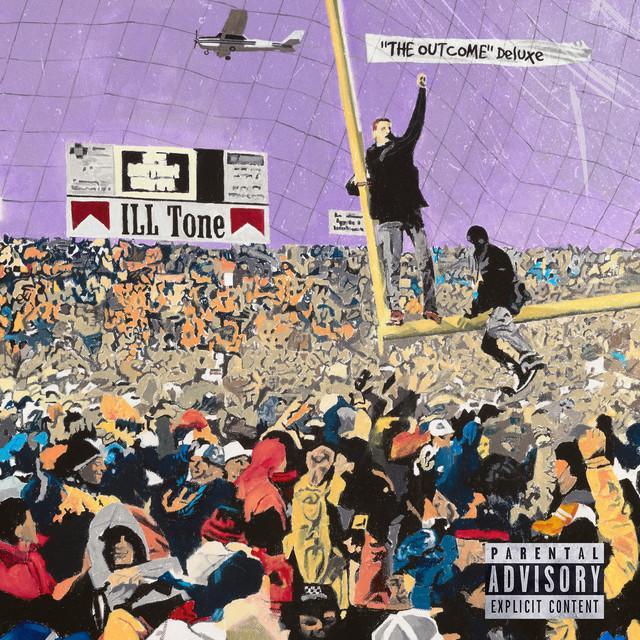
Pick a Side by Conway the Machine, ILL Tone Beats, Black Soprano Family
A Loyalty Test Disguised as a Threat
The meaning of Pick a Side Conway the Machine, ILL Tone Beats, Black Soprano Family starts with pressure. This song is built around one blunt idea: in Conway’s world, neutrality does not exist. The hook keeps forcing the same choice—pick a side
—and that makes the track feel less like a conversation and more like a warning.
"Pick a Side" - Conway the Machine, ILL Tone Beats, Black Soprano Family
(A-a-a-ayo, ILL Tone)
Gang shit, nigga
Loading lyrics...
Unable to load lyrics
We're unable to display the lyrics at this time. Please try again later.
On the surface, the song is a street-rap anthem about status, enemies, money, and retaliation. But under that surface, it is also about identity. Conway presents power as something they had to seize and defend. When they frame themself as the ruler of the moment, they are not just bragging. They are drawing a line between insiders and outsiders.
Why the Hook Matters So Much
The chorus is simple, but that is exactly why it works. By repeating the demand to choose, the song turns conflict into a moral and social test. Anyone who hesitates is treated like a possible threat.
You against us or with us?My nigga, pick a side
Those lines are the song’s center of gravity. Everything in the verses feeds back into them. The luxury details, the violent threats, and the victory laps all support the same message: this is a camp-mentality song. There is loyalty, and there is opposition. No middle ground.
Conway’s Persona: Victory, Paranoia, and Control
Conway opens with dominance. When they claim to be the one in charge and compare themself to a champion collecting the final prize, the writing links rap success to conquest. A phrase like the fuckin' king
is not subtle, but that is the point. They want the audience to feel force, not nuance, in the first seconds.
Still, the song is not only celebration. There is paranoia running through it. Conway keeps returning to shooters, betrayal, and fast consequences. That tension matters. If they were fully secure, they would not need to repeat the threat so often. The song suggests that power has to be performed constantly because danger always sits nearby.
Interpretation: one reason the track hits hard is that it mixes triumph with fear. They sound on top, but they also sound ready for war at any second.
Street Detail as World-Building
A lot of the verses work like snapshots. Conway stacks images of smoking, guns, expensive fabric, designer fashion, and fast money. These details build a specific atmosphere: the rewards of survival are real, but so are the costs.
When they mention making money in a short span or putting someone in high-end clothes, the song shows success as visible proof. Wealth is not quiet here. It is displayed. Yet even those flashy moments sit next to grim reminders of violence and grief.
One of the sharpest lines points toward collateral pain, especially when a family has already suffered loss. That detail widens the song’s emotional frame. For a second, the writing shows that retaliation does not stop with the target. It spills outward.
Production That Turns the Song Into a Standoff
ILL Tone Beats gives the track a cold, heavy backdrop. The beat feels minimal but menacing, leaving lots of space for Conway’s voice to hit like a command. The drums land hard, and the loop has that tense, shadowy quality common in Griselda-adjacent production.
That matters for meaning. A brighter beat could have made the song feel like pure celebration. This one sounds like an alleyway stare-down. The production tells listeners that every boast comes with a weapon behind it.
Conway’s delivery also shapes the message. They rap with clipped confidence, often sounding calm while describing chaos. That lack of panic makes the threats feel more believable. The performance says: this is normal in their world. The scariest part is not the anger. It is the control.
The Black Soprano Family Context
The song also fits the larger identity of the Black Soprano Family camp and Conway’s lane in modern East Coast rap. Their music often blends mafia-style loyalty codes, street realism, and luxury symbolism. Conway, widely known for their work alongside Griselda and solo releases covered by outlets like Pitchfork, has built a reputation for grim, detail-heavy rap that treats survival as both scar and badge.
In that context, “Pick a Side” feels very on-brand. It is less a left turn than a concentrated statement of values: loyalty to the team, distrust of outsiders, and pride in endurance.
Two Strong Readings of the Song
Interpretation 1: A pure loyalty anthem
The most direct reading is simple. The song demands allegiance. Friends must prove they are really friends, and enemies should expect consequences. From this angle, every image serves the central command: stand with them or get treated like opposition.
Interpretation 2: A portrait of success that never feels safe
There is also a deeper reading. Conway lists money, sex, prestige, and power, but the song never relaxes. Even in success, they are still scanning for betrayal. Phrases like fuckin' mean
and the repeated hook make the song sound defensive as much as aggressive.
That makes “Pick a Side” a song about what happens after the climb. Winning does not end conflict. It may even intensify it.
What Listeners Are Supposed to Feel
This is not a song built for reflection first. It is built for adrenaline. The listener is meant to feel pressure, excitement, and intimidation. Yet the best Conway records do more than flex, and this one does too. Beneath the threats, there is a worldview shaped by scarcity, rivalry, and earned distrust.
That is the clearest answer to the meaning of Pick a Side Conway the Machine, ILL Tone Beats, Black Soprano Family: it is a song about loyalty under pressure, where power must be defended loudly because silence can look like weakness.
Final Take
“Pick a Side” turns a simple phrase into a total worldview. Conway uses forceful writing, stark production, and a relentless hook to frame life as a constant test of allegiance.
For some listeners, it will land as a raw street anthem. For others, it may sound like a snapshot of what success feels like when danger never fully leaves. Both readings can be true.
Disclaimer: This article offers an interpretation of the song based on its lyrics, performance, and available artist context. Meaning can vary from listener to listener.







