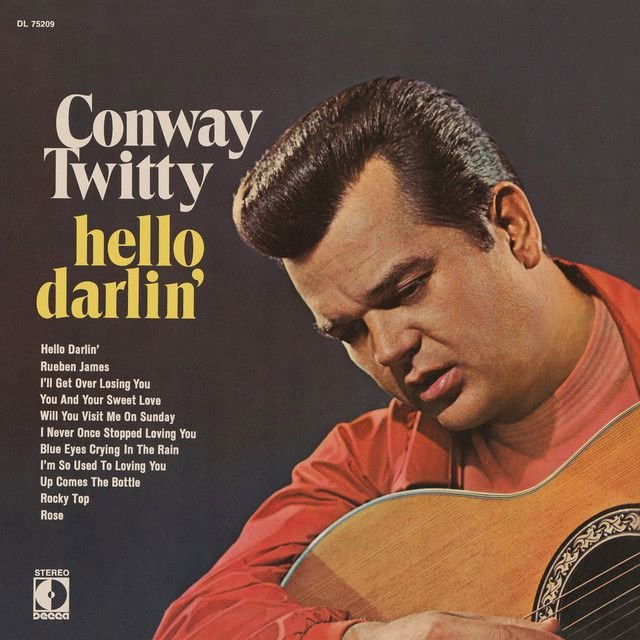
Why 'Rocky Top' Still Feels Like Home
The meaning of Rocky Top Ronnie McDowell with Conway Twitty starts with a simple idea: they sing about a place that feels better in memory than ordinary life feels in the present. Even before the details get funny or strange, the song paints Rocky Top as a private paradise in the Tennessee hills.
"Rocky Top" - Ronnie McDowell with Conway Twitty
Down in the Tennessee hills
Ain't no smoggy smoke up on Rocky Top
Loading lyrics...
Unable to load lyrics
We're unable to display the lyrics at this time. Please try again later.
Ronnie McDowell’s 1988 version matters because it was not just another cover. It became a country hit, reaching No. 8 on Billboard, and Conway Twitty joined for the last verse, which gave the track extra weight for country listeners. That chart fact is widely noted in reference sources on Twitty’s recording history.
A Mountain Memory, Not Just a Map
At the most basic level, the song is about longing for a rural home. The opening wish to be back there frames Rocky Top as a lost haven. When the singer contrasts the hills with modern burdens like telephone bills
, the point is clear: this is a fantasy of escape from crowded, expensive, complicated life.
That is why the setting matters so much. Rocky Top is not described as rich or easy. In fact, it is rough, rocky, and isolated. Yet those hard edges make it feel pure. The song suggests that people can be happier in a difficult place if it gives them freedom, identity, and peace.
Interpretation: They are not only praising Tennessee scenery. They are also praising an older way of living, one imagined as cleaner and less controlled by modern systems.
Watch the official Rocky Top
music video
The Verses Tell Tall Tales on Purpose
One reason the song endures is its sense of humor. The verses do not read like a straight memoir. They sound like Appalachian storytelling, where local legends, jokes, and exaggeration all mix together.
The line about a girl who is half-bear
and part cat is the clearest example. No listener is expected to take that literally. Instead, the song uses comic folklore to say that Rocky Top is wild, unforgettable, and impossible to tame. The same goes for the moonshine story, where strangers go looking for a still and supposedly never return.
Those details help the song do two things at once:
- make the mountain world feel mysterious
- celebrate backwoods independence
- keep the tone playful instead of solemn
In other words, the lyrics turn Rocky Top into a myth. It is not just home. It is a place where ordinary rules loosen up.
Why the Chorus Lands So Hard
The chorus gives the song its emotional center. After each odd or comic verse, it comes back to a plain truth: home sweet home
. That phrase matters because it strips away the jokes and tells listeners what the singer really feels.
you'll always be
home sweet home to me
That brief refrain transforms the whole song. Without it, the verses might sound like novelty writing. With it, they become memories filtered through affection. The singer is not laughing at Rocky Top. They love it.
This is where the meaning of Rocky Top Ronnie McDowell with Conway Twitty becomes strongest. The song says that home is not always the easiest place, or the most polished one. Sometimes it is the place a person keeps idealizing because it gave them a sense of self.
Country Sound That Supports the Message
Production matters here. “Rocky Top” has long been known as an upbeat, fast-moving song with strong roots in country and bluegrass-style energy. Ronnie McDowell’s recording pushes that energy into a more radio-ready country setting, while Conway Twitty’s appearance ties it to classic country star power.
McDowell sings with a bright, steady tone that keeps the song accessible. Twitty’s voice, by contrast, brings lived-in warmth and authority. Even a brief feature from him changes the emotional color. It makes the song feel less like a novelty hit and more like a shared country memory.
The brisk tempo also helps the meaning. Because the music moves quickly, nostalgia never turns heavy. Instead of sounding sad, the track sounds delighted by its own memories. That is important: Rocky Top is remembered with joy, not just regret.
The Deeper Themes Under the Fun
Several themes run through the lyric:
Freedom Versus Modern Life
The mention of no smog and fewer bills frames the mountain as an answer to modern stress. Rocky Top stands for breathing room.
Home as Identity
When the chorus returns to Rocky Top
, it is really returning to selfhood. The place defines who the singer believes they are.
Folk Humor and Regional Pride
The moonshine jokes and rugged imagery are not random. They reflect a Southern storytelling tradition that values wit, toughness, and local color.
Nature Over Comfort
The song admits the land is hard. Even the dirt is too rocky for crops. Yet that difficulty becomes part of its charm, suggesting that real attachment is not based on convenience.
A Quick Note on Context
The song itself was written by Felice and Boudleaux Bryant, two major American songwriters. Ronnie McDowell later recorded it with Conway Twitty, and that version became a notable late-1980s country hit. Twitty’s broader recording legacy is well documented, including his major crossover career in pop and country.
That context helps explain why this version works. McDowell brings energy; Twitty brings tradition. Together, they turn a well-known song into a statement about country memory and Southern belonging.
Final Take on the Song’s Meaning
So, what is the meaning of Rocky Top Ronnie McDowell with Conway Twitty? They present Rocky Top as both a place and an ideal. It is a remembered home, a comic legend, and a symbol of freedom from modern pressures.
Interpretation: The song’s lasting power comes from how it balances myth and sincerity. It can make listeners smile at its tall tales while still hitting a deep emotional truth: people often keep one place in their heart as the version of life that felt most real.
Disclaimer: This interpretation is based on the lyrics, performance, and known song context. As with any song, listeners may hear meanings that differ from this reading.








