Why 'One O'Clock Jump' Still Swings
The Core Idea Behind the Tune
The meaning of One O'clock Jump Count Basie starts with a simple truth: this is not a story song with verses to decode. It is an instrumental built on energy, timing, and group feeling. Written by Count Basie in 1937, it is a 12-bar blues that turns a basic form into a celebration of swing, confidence, and band chemistry, according to Wikipedia.
"One O'clock Jump" - Count Basie
My pretty little poppy
You're like that lovely flower, so sweet and heavenly
Loading lyrics...
Unable to load lyrics
We're unable to display the lyrics at this time. Please try again later.
That matters because Basie and his orchestra were experts at making something sound loose and effortless while keeping it sharply organized. In this piece, the "meaning" lives less in words and more in motion. The music says: here is a band that knows how to groove, trade ideas, and lift a room.
Interpretation: If listeners hear joy, cool control, and nightlife excitement, that is likely because the tune was designed to capture exactly that feeling. Even the title points to late-night momentum, the kind of pulse that arrives when a club is fully awake.
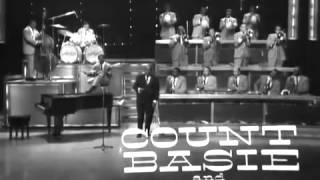
Watch the official One O'clock Jump
music video
A Song Without Lyrics Still Says Plenty
There is a twist here. The lyric sheet provided in the prompt belongs to another song, not to Basie's famous instrumental. "One O'Clock Jump" is known as an instrumental jazz standard, so there are no official narrative lyrics to unpack in the usual way.
That does not make the song empty. It means the message comes through arrangement, riffs, solos, and feel. Instead of a singer saying I love you
or describing a scene, Basie's band lets repeated figures and rising excitement do the talking.
In practical terms, the tune communicates through three things:
- a blues foundation that feels familiar
- short, catchy riffs that sound conversational
- solo spots that show personality inside a team setting
Where the Title Comes From
The title adds a lot to the song's image. Basie's band reportedly first played it near the end of a radio broadcast from the Reno Club around 1 a.m. That origin story helps explain why the record feels tied to after-hours swing culture.
There is also a famous bit of jazz history around the naming. The tune was reportedly called Blue Ball
at first, but a radio announcer thought that title was too risky, so it became One O'Clock Jump
. That change gave the song a cleaner public identity while keeping its sense of nightlife and spontaneity.
How the Arrangement Creates Meaning
Riffs as conversation
A big part of the meaning of One O'clock Jump Count Basie is its riff-based structure. Early Basie recordings often relied on "head arrangements," meaning players shaped parts by ear instead of depending fully on written charts. Brief musical phrases bounce between sections as if the band is speaking in a shared language.
That approach gives the song its social feeling. It sounds communal, not solitary. Each section enters, answers, and pushes the energy forward.
Solos as character
The original 1937 recording is often praised for the saxophone work of Herschel Evans and Lester Young, along with Buck Clayton on trumpet, Walter Page on bass, and Basie on piano. Their playing turns a simple blues frame into a parade of personalities.
Interpretation: This is one reason the song became so beloved. It presents individuality without breaking the collective groove. In Basie's world, self-expression works best when it strengthens the ensemble.
Why the Blues Form Matters
At its base, "One O'Clock Jump" is a 12-bar blues. That gives it deep roots in African American musical tradition while also making it easy for players to stretch out and improvise. The form is simple enough to be welcoming and open enough to feel alive.
That balance is central to the song's meaning. Basie was not trying to impress listeners with complexity alone. They were showing how elegance can come from repetition, timing, and restraint.
Listeners can hear that in the way the band builds tension. Nothing feels rushed. Instead, the record grows naturally, one layer at a time, until it lands with the force of a full-band release.
The tune does not tell a plot. It stages a rise in energy, from relaxed blues feeling to a full late-night jump.
Why It Became Basie's Signature
"One O'Clock Jump" became the theme song of the Count Basie Orchestra and reportedly closed concerts for decades. It was also inducted into the Grammy Hall of Fame in 1979 and listed among the Songs of the Century, as noted by Grammy Hall of Fame.
That long life says something important. This was not just a hit of the swing era. It became a symbol of what Basie's band did better than almost anyone: make precision sound relaxed.
Its popularity also came from accessibility. Even listeners who know little about jazz can follow the structure. They can feel when the band locks in, when the horns answer each other, and when the whole track starts to lift off.
A Friendly Reading of Its Emotional Message
So what is the emotional message here?
Interpretation: "One O'Clock Jump" is about shared momentum. It captures the thrill of a group finding perfect time together. It also reflects the glamour of swing-era nightlife without sounding stiff or formal.
There is pride in it, but not arrogance. There is excitement, but it stays controlled. Basie's piano style especially helps here. They often played with economy, choosing exactly the right accents instead of crowding the track. That calm center lets the rest of the orchestra shine.
For that reason, the song can feel both sophisticated and welcoming. It invites listeners in rather than holding them at a distance.
Final Take on the Song's Meaning
The meaning of One O'clock Jump Count Basie is less about literal language and more about musical design. Through blues form, riff interplay, solo character, and a strong late-night identity, the song expresses confidence, community, and release.
That is why it still works. It is a reminder that great jazz meaning does not always need words. Sometimes a groove, a buildup, and a band in perfect sync say enough.
Disclaimer: This article separates documented facts from interpretation. Instrumental music is open to multiple meanings, and different listeners may hear the song in different ways.







