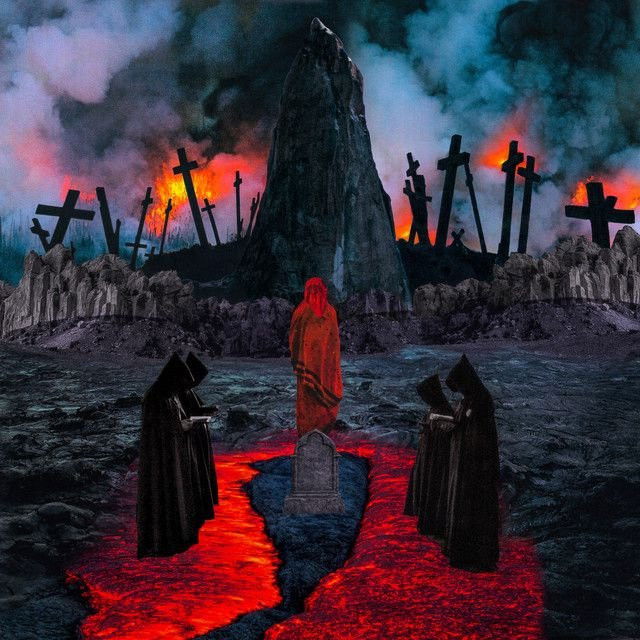
Unwavering Vow by Counterparts
They don’t write many songs as blunt as this. Counterparts’ “Unwavering Vow” takes the heat of revenge and turns it into a test of conscience. Released as the lead single for their 2022 album A Eulogy For Those Still Here, it became an instant flashpoint for fans who wanted to understand the meaning of Unwavering Vow Counterparts without getting lost in shock value.
"Unwavering Vow" - Counterparts
Lives the unwavering vow
To be the reason that the ones who love you mourn (mourn)
Loading lyrics...
Unable to load lyrics
We're unable to display the lyrics at this time. Please try again later.
Rage With A Purpose: What This Track Confronts
At its core, the song is about surviving harm and facing the urge to strike back. The phrase unwavering vow
sets a hard line: the speaker swears they will be the reason their enemy is mourned. Yet the lyrics also hint at a struggle to pull back from that edge. When they mention redemption reassured
, they are reaching for moral ground, trying to justify a path that avoids direct violence.
Interpretation: The track explores a cycle many survivors know—imagining punishment for the abuser, then choosing a different kind of justice. The vow doesn’t disappear; it transforms.

Watch the official Unwavering Vow
music video
Voice And Target: Who Speaks, Who’s Judged
The narrator speaks in first person to a specific “you.” Lines like former prey decides your fate
flip the predator–prey script. They are no longer hunted; they are judge and jury.
Still, the most explosive phrase—murder you myself
—reads as both fantasy and confession. They admit the desire, then wrestle it down. This tension powers the entire song.
From Nightmare To Resolve: A Quick Timeline
- The promise: They form an
unwavering vow
to end the tormentor’s legacy. - The dream: Night becomes a refuge where
in dreams I watched you die
gives release. - The reckoning: Images of graves and silence suggest a justice beyond the speaker’s hands.
- The turn: They argue that consequence, not direct action, can be enough—hinted by
redemption reassured
. - The return: The chorus repeats, showing how the urge keeps coming back, even as restraint holds.
The Hook That Burns: Why The Chorus Hits
The chorus fuses vision and craving: seeing the enemy fall and wanting to close my eyes
to get back there. Interpretation: Sleep becomes a safe stage for vengeance. The body wants payback; the mind chooses not to make it real.
Symbols That Cut Deep: Dreams, Graves, Silence
- Dreams: The recurring dream of death isn’t a plan—it’s a pressure valve. It gives the narrator space to feel what they cannot do.
- Graves and ghosts: The wish that not even a ghost remains signals total erasure. Interpretation: They don’t just want the person gone; they want the harm’s echo to stop.
- Echo and silence: Silence implies an end to the cycle. If no echo emerges, the violence ends with the abuser.
- Penance vs. vengeance: The lyric contrast between penance and revenge suggests accountability that doesn’t depend on the narrator’s hands. It’s a moral pivot.
Sound As Fury: How Production Shapes Meaning
Musically, “Unwavering Vow” moves like a pendulum. Verses crash with down-tuned chugs, dissonant chords, and double-kick bursts—an audio portrait of barely contained rage. The vocals are shredded but clear enough to land each vow.
Then the hook blooms in a melodic shape that sticks. As noted in coverage at the time, the verses feel brutal while the chorus turns that brutality into something almost catchy. That contrast is the point: fury is seductive. The hook makes the temptation memorable so the refusal can be meaningful.
Breakdowns and stop–start hits mimic the narrator’s thinking: surge, pause, reconsider. Guitar overtones smear like feedback scars, while the rhythm section locks into a march that sounds like sentencing. The arrangement tells the story even when the words fall away.
Other Angles Fans Hear
- Interpretation: It could be addressed to addiction or a destructive habit. “Killing” the target means ending a cycle, not a person.
- Interpretation: It could speak to the death of a former self—the part that allowed abuse to continue. The grave is symbolic; the survivor steps out new.
Both readings fit the band’s wider themes of grief, loss, and self-repair. The plain language makes room for blunt reality and metaphor at once.
Why It Resonates Now
For many listeners in the United States, the meaning of Unwavering Vow Counterparts lands because it faces what polite talk often avoids: rage after harm. Yet it refuses to glamorize retaliation. The chorus keeps returning like a wave, but the song’s heart is the turn toward consequence over action.
Final Word: Interpretation Is Personal
They leave us with a hard truth: wanting revenge doesn’t make it right, and choosing restraint doesn’t make the anger vanish. That conflict is the song’s lasting power.
Disclaimer: This article offers interpretation and context based on publicly available information and the lyrics. Meanings can vary by listener.








