Why 'Round Here' Feels So Unsteady
The meaning of Round Here Counting Crows starts with a feeling: being surrounded by people, stories, and noise, yet still drifting outside of all of it. On the surface, the song sketches a place and a few vivid characters. Underneath, it is about disconnection, private pain, and the hard job of trying to hold another person together when they are slipping away.
"Round Here" - Counting Crows
Into a fog where no one notices
The contrast of white on white
Loading lyrics...
Unable to load lyrics
We're unable to display the lyrics at this time. Please try again later.
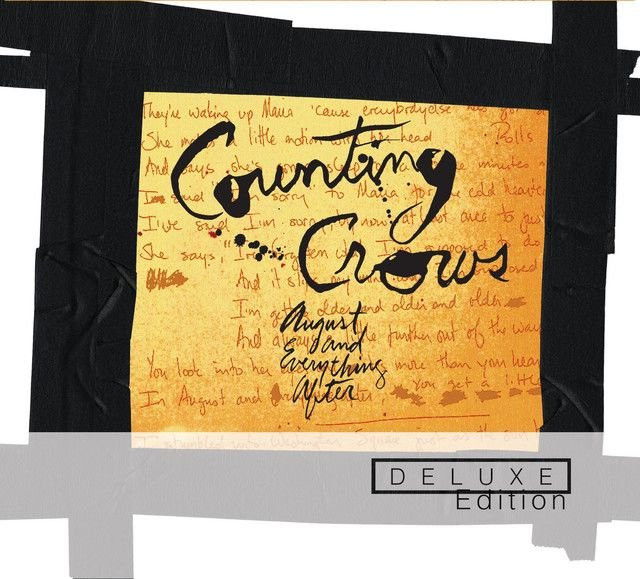
Released on August and Everything After in 1993, "Round Here" became one of the defining songs from Counting Crows' debut era. The band is widely associated with introspective alternative rock from the early 1990s, and this track helped set that tone for them.
A Town Portrait That Feels Like a Dream
The song opens with ghostly imagery and blurred vision. When the narrator steps out like a ghost
into fog, the scene suggests invisibility right away. This is not just weather. It feels like a state of mind.
From there, the lyrics move in fragments, not in a neat story. That matters. The song sounds like someone trying to make sense of a place where moral lines, emotions, and identity all seem unstable. Even the image of the difference between right and wrong crumbling points to a world where certainty no longer holds.
Interpretation: Rather than describing one event, the song presents a mental and emotional landscape. "Round here" is both a neighborhood and a condition of living.

Watch the official Round Here
music video
Maria and the Song's Human Center
Maria is the clearest figure in the track, but she remains mysterious. She arrives with a suitcase, longing, and a shaky sense of self. The details make her memorable, yet they also make her feel symbolic. She seems to carry the song's themes of performance, desire, faith, and instability all at once.
When the narrator hears that Maria says she's dying
, the line lands with shocking bluntness. It may not mean literal death alone. It can also suggest burnout, depression, or emotional collapse. Later, when she seems close to understanding Jesus, the song brings in spiritual hunger too. She is looking for meaning, rescue, or transformation, but none of it feels secure.
Another key moment comes when she appears close to the edge, almost like a circus act. That image tells listeners that her life feels dangerous and performative at the same time. She is trying to keep balance, but barely.
What the Chorus Says About "Round Here"
The chorus is where the song widens from one person to a whole community. The repeated phrase 'Round here
acts like a report from a local culture. People stand straight, carve out their names, and try to look strong. But the song keeps undercutting that strength.
The sharpest example is the contrast between talk just like lions
and sacrificing like lambs. In plain terms, people act brave but give in easily. They project confidence while living with fear, conformity, and vulnerability. That tension is one of the song's deepest ideas.
Interpretation: The chorus suggests that the place itself teaches emotional disguise. People learn to perform toughness even when they feel powerless.
A Mind in Fragments, Not a Linear Plot
Part of what makes the meaning of Round Here Counting Crows so powerful is that the song refuses a clean narrative. Instead, it works in flashes:
- The narrator enters a hazy world and feels detached.
- Maria appears as a person in visible distress.
- The local community is described as tense, proud, and broken.
- The song moves toward crisis, with hints of collapse and falling.
That final image matters most. Near the end, the plea you catch me if I'm falling
turns the song into a direct request for support. After so much distance and observation, the narrator finally admits vulnerability.
How the Sound Carries the Message
The production helps explain why the song feels so haunting. Counting Crows build it slowly, letting piano, guitars, and rhythm section create space rather than rush toward release. The arrangement feels suspended, as if the song itself is hovering between clarity and breakdown.
Adam Duritz's vocal is crucial. He does not sing these lines with polished certainty. He bends phrases, sounds strained, and often seems to be reaching for footing in real time. That delivery makes the emotional confusion believable.
The song's rock structure is present, but it stays loose and atmospheric. That balance between melodic beauty and emotional mess mirrors the lyric content. The music sounds like a town at night: calm on the surface, troubled underneath.
Two Strong Ways to Read the Song
There is more than one valid reading here.
Interpretation 1: A song about mental and emotional collapse
This is the most common reading. The fog, the blurred morality, the repeated distress around Maria, and the fear of falling all point toward depression, dissociation, and thoughts of self-destruction.
Interpretation 2: A critique of social performance
The song can also be heard as a portrait of a community where everyone acts out roles. They posture, imitate confidence, and hide pain. In this reading, Maria is not just one troubled woman; she is the clearest symptom of a wider sickness.
Why It Still Connects
"Round Here" lasts because it never reduces pain to a slogan. It captures how confusion actually feels: scattered, poetic, and hard to explain. The song understands that loneliness can exist in crowded places, and that people who look dramatic or difficult may really be asking for help.
That is the lasting meaning of Round Here Counting Crows. It is a song about seeing fracture everywhere, then realizing the fracture is personal too.
Disclaimer: This article offers interpretation based on the lyrics, performance, and known context. Songs can support multiple meanings, and listeners may hear different truths in them.








