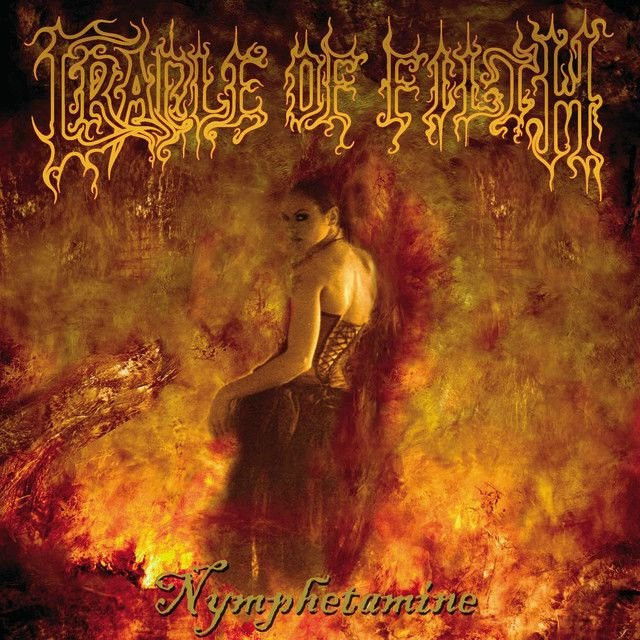
Why Nymphetamine (Fix) Still Feels Addictive
The meaning of Nymphetamine (Fix) Cradle of Filth comes down to one brutal idea: love can act like a narcotic. In this song, they frame romance as a dependency that keeps returning even after it has gone rotten. The result is not a simple breakup song. It is a gothic portrait of craving, grief, and willing self-destruction.
"Nymphetamine (Fix)" - Cradle of Filth
Midsummer, I waved
A ?V? of black swans
Loading lyrics...
Unable to load lyrics
We're unable to display the lyrics at this time. Please try again later.
Released on the 2004 album Nymphetamine, the track features guest vocals from Liv Kristine and became one of the band’s most visible songs. It was also nominated for a Grammy for Best Metal Performance, while the album reached the Billboard 200 and UK Albums Chart, helping push Cradle of Filth beyond the extreme metal underground (Wikipedia).
The Core Wound Beneath the Romance
At its center, the song is about a lover who knows the relationship is harmful but still longs for it. Dani Filth described the title as a mix of desire and chemical dependence, a "drug-like addiction" to a woman with "vampire qualities" (Wikipedia). That comment matters because it confirms the song is not just using dark imagery for decoration. The metaphor is the point.
The narrator remembers abandonment as both emotional pain and bodily poison. When they sing about being cold was my soul
, they present heartbreak as spiritual damage, not just sadness. Soon after, the song suggests they tried to swear off the relationship, but the vow never fully holds.
Interpretation: The song treats obsession like relapse. They do not simply miss the person; they crave the state of being consumed by them.

Watch the official Nymphetamine (Fix)
music video
A Gothic Story of Return and Ruin
The verses move through memories, pleading, and surrender. Images of graves, rain, forests, and wounds make the relationship feel haunted. The speaker is not standing in ordinary reality anymore. They are trapped in a dramatic inner landscape where desire keeps raising the dead.
One of the smartest things about the writing is how often love and death overlap. The narrator places devotion beside burial, prayer beside hunger, and beauty beside injury. When the chorus arrives, that hidden pattern becomes obvious through phrases like vampyric addiction
and full submission
. The romance is presented as a willing captivity.
Sick and weak from my condition
This lust, a vampyric addiction
That short passage is the song’s clearest thesis. It strips away some of the ornate imagery and admits the emotional truth directly: desire has become an illness.
Why the Chorus Hits So Hard
The hook repeats the invented word Nymphetamine
, which sounds seductive and dangerous at the same time. It is memorable because it condenses the whole concept into one term. The lover is not only desired; she is experienced like a substance.
That matters for the meaning of Nymphetamine (Fix) Cradle of Filth because the chorus does more than summarize the verses. It changes them. The poetic details about swans, tombs, and moonlit dancing stop feeling random and start sounding like symptoms of obsession. The narrator is not telling a love story. They are naming a compulsion.
Symbols That Carry the Song
Several recurring images sharpen the song’s emotional world:
- The grave and tomb: love is treated as something dead that still has power.
- Blood and veins: passion becomes chemical and bodily.
- The forest and moon: temptation returns in secret, dreamlike spaces.
- Religious language: prayer, faith, and sacred imagery suggest worship mixed with guilt.
Even a phrase like needle and spoon
pushes the addiction theme into view. They compare intimacy to drug paraphernalia, making the relationship feel habitual, ritualized, and destructive.
Interpretation: The song may be about one person, but it also captures the broader pattern of being attached to pain because pain has become familiar.
How the Sound Deepens the Meaning
The production helps the theme land. Nymphetamine was produced by Rob Caggiano and Cradle of Filth, with Colin Richardson handling mixing (Wikipedia). On the “Fix” version, the arrangement is tighter and more song-focused than the longer “Overdose” version.
That structure matters. The guitars stay melodic without losing weight, the keyboards add a misty, funereal mood, and Adrian Erlandsson’s drumming keeps the song moving like a pulse that cannot settle. Most important is the vocal contrast: Dani Filth sounds pained and feverish, while Liv Kristine brings a cleaner, almost ghostly calm.
Together, those voices create a push and pull between torment and allure. She sounds like the beautiful memory; he sounds like the cost of chasing it. That is a big reason the track crossed over with listeners who might not usually connect with harsher metal.
Context, Reception, and Lasting Appeal
The song sits on Cradle of Filth’s sixth studio album, released September 28, 2004, by Roadrunner Records (Wikipedia). The album reportedly sold strongly over time, including significant U.S. numbers and over one million worldwide according to the cited summary. The “Fix” version also appeared on the Resident Evil: Apocalypse soundtrack, which helped place it in a broader pop-culture setting (Wikipedia).
Its lasting appeal comes from balance. The track is theatrical but emotionally readable. They wrap pain in gothic language, yet the feeling underneath is familiar: wanting someone who hurts them and knowing that knowledge will not save them.
The Final Take on Its Obsession
So, what is the meaning of Nymphetamine (Fix) Cradle of Filth? It is the story of desire after death, or at least after emotional collapse. The narrator knows the bond is poisonous, yet still sees it as beautiful, sacred, and almost necessary.
That tension is why the song endures. It understands that some loves are hardest to escape not because they are good, but because they are intoxicating.
Disclaimer: This interpretation blends documented artist comments with close reading of the lyrics and sound. As with most songs, listeners may reasonably hear different meanings in its imagery and mood.









