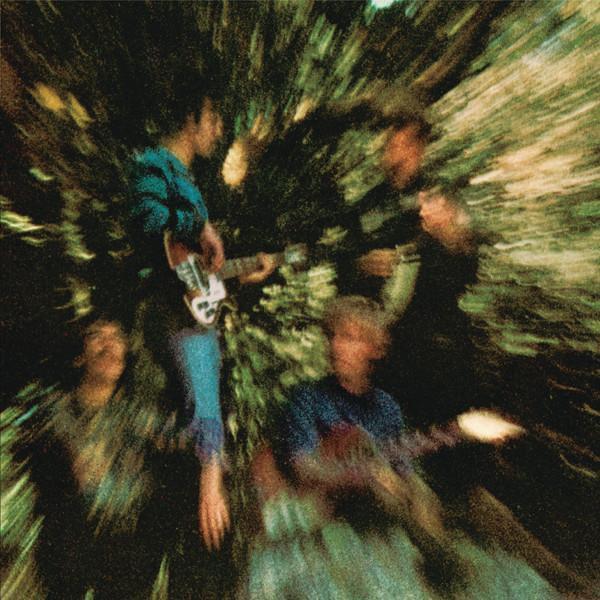
Born On The Bayou by Creedence Clearwater Revival
A swamp dream, not a diary
The meaning of Born On The Bayou Creedence Clearwater Revival starts with a useful surprise: the song sounds deeply Southern, but John Fogerty was not raised in a Louisiana bayou. That matters because the song is less a literal autobiography than a carefully built myth.
"Born On The Bayou" - Creedence Clearwater Revival
(Yeah, hey, you sounded good to me)
(Sounded like)
Loading lyrics...
Unable to load lyrics
We're unable to display the lyrics at this time. Please try again later.
Released on Bayou Country, the track helped define Creedence Clearwater Revival's swamp-rock identity. Fogerty wrote it from California, using images from movies, radio, books, and American roots music to create a place that felt real even when it was imagined.
So what is the song about? In simple terms, it is about longing for a place that represents freedom, childhood power, and a rough kind of authenticity. The singer says Born on the Bayou
, but the bigger point is emotional, not factual. They are claiming a spiritual home.
Watch the official Born On The Bayou
music video
The story inside the verses
The verses move like memories. The speaker looks back to being a child, standing near a father figure who gives a warning about power and control. When the song mentions don't let the man getcha
, it suggests distrust of authority. That line gives the song a rebellious streak that fits Creedence's working-class image.
After that, the scene shifts into remembered summer images. The Fourth of July, the backwoods, the dog barking, and the strange mention of a hoodoo all build a world that feels half real and half haunted. The song does not tell a tight plot. Instead, it offers flashes of experience, like snapshots from a memory.
Wish I was back on the Bayou
Rollin' with some Cajun Queen
This short passage turns memory into desire. The singer is not just recalling a place; they are aching to return to a feeling. That feeling blends romance, movement, heat, and escape.
What the chorus really means
The repeated hook is simple, but it carries the whole song. By returning again and again to Born on the Bayou
, the song makes identity sound like geography. It is not only saying where someone came from. It is saying what kind of person they believe themselves to be.
Interpretation: the chorus works as self-invention. The singer chooses the bayou as a symbol of toughness, instinct, and roots. Even if the setting is partly imagined, the emotion is real. That is why the refrain feels so strong: it sounds like a personal truth, even inside a fantasy.
There is also tension in that pride. The line about wishing to be back suggests distance and loss. The bayou is home, but it is also unreachable. That combination gives the song both swagger and sadness.
Symbols that make the song larger
Several images give the song its depth:
- The bayou: a symbol of origin, mystery, and untamed life.
- The father's warning: a lesson about surviving systems of control.
- The Fourth of July: freedom, American memory, and childhood excitement.
- The hound dog and hoodoo: earthy Southern folklore mixed with danger.
- New Orleans: movement toward a bigger, richer world.
The phrase chasin' down a hoodoo
is especially important. It adds superstition and the uncanny. The song is not just rural; it is magical and slightly threatening. That helps explain why the atmosphere feels so thick. The bayou here is not a travel brochure. It is a place where freedom and fear live side by side.
How the sound creates the meaning
A big part of the meaning comes from the performance. Creedence builds the song on a heavy, loping groove, with guitar and drums that feel humid and relentless. Fogerty's vocal is rough and urgent, almost like he is pulling the words up from the mud.
That sound matters because it makes the listener believe in the world of the song. The guitar riff circles instead of rushing forward, which creates a trance-like pull. The rhythm section gives it a swampy drag, and the whole track feels dense, nocturnal, and hot.
Fogerty later discussed how he was drawn to Southern imagery and rockabilly, rhythm and blues, and roots music in shaping Creedence's sound, as reflected in his Rock Hall profile and interviews over the years. Even without hearing every word, listeners get the point through tone alone: this is music about instinct, memory, and place.
Why people connect with it
Part of the song's lasting power is that many listeners know what it feels like to miss a place that may never have existed exactly as remembered. The song turns that feeling into a vivid American scene. It taps into nostalgia, but not in a soft way. This nostalgia growls.
It also fits a larger Creedence theme. Many of their songs speak for outsiders, workers, wanderers, and people skeptical of power. Here, that attitude appears in a dreamier form. The singer is not protesting directly. They are building a private kingdom in the bayou and choosing to belong there.
Interpretation: some listeners hear the song as an invented Southern self-portrait. Others hear it as a universal fantasy of home. Both readings work because the writing is specific enough to feel concrete and open enough to invite projection.
Final takeaway on its message
The meaning of Born On The Bayou Creedence Clearwater Revival lies in its blend of memory, imagination, and identity. It is about a person who defines themselves through a place that stands for freedom, danger, desire, and roots.
What makes the song special is that it never fully explains itself. Instead, it surrounds the listener with images and sound until the bayou feels real. That is why the track has lasted: it is not just about being born somewhere. It is about wanting to belong to a deeper, wilder version of America.
Disclaimer: This article offers a good-faith interpretation based on the lyrics, recording context, and public information. Like many classic songs, it can support more than one meaning.







