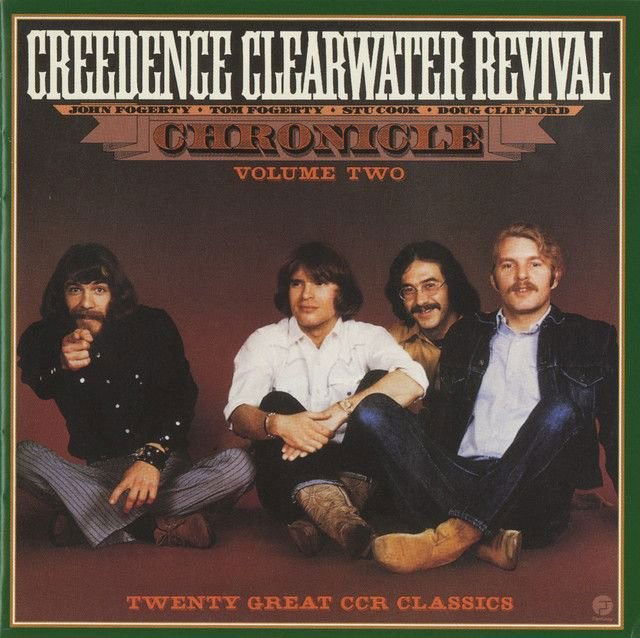
Cotton Fields by Creedence Clearwater Revival
A Folk Memory Turned Into Roots-Rock
The meaning of Cotton Fields Creedence Clearwater Revival starts with a simple idea: the song looks back at home through childhood memory, but it does not hide how hard that home life was. Creedence Clearwater Revival did not write the song. It was written by Huddie Ledbetter, better known as Lead Belly, who first recorded it in 1940. CCR later cut their version for Willy and the Poor Boys in 1969, as noted in this song history.
"Cotton Fields" - Creedence Clearwater Revival
My mama would rock me in the cradle
In them old cotton fields back home
Loading lyrics...
Unable to load lyrics
We're unable to display the lyrics at this time. Please try again later.
That history matters because the song comes from American folk and blues tradition, where plain language often carries deep feeling. CCR keep that directness. Their version sounds warm, loose, and easy to sing along with, yet the story inside it is about family, place, labor, and the limits of rural life.
Watch the official Cotton Fields
music video
What the Song Is Really About
At its core, the song is about remembering where they came from. The narrator thinks back to being young, held by a mother, and raised in a Southern landscape defined by cotton fields. The repeated return to old cotton fields back home
makes home feel comforting and heavy at the same time.
That double feeling is the key to the song. On one hand, there is love in the family image, especially in the line about being rocked as a baby. On the other hand, cotton is not just scenery. It is work. It suggests a life shaped by agriculture, poverty, and the seasons.
Interpretation: The song does not argue with that past. Instead, it presents it plainly, letting listeners hear both tenderness and hardship in the same breath.
Childhood, Place, and Working Life
The opening verse centers on a family memory, with the image of a mother and cradle. That detail gives the song its emotional anchor. Before it becomes about geography or labor, it becomes about care.
Then the lyric places that memory down in Louisiana
, near Texarkana. This is more than map detail. It gives the song a grounded, local truth. Folk songs often work this way: a named place makes a larger experience feel real and lived in.
The next important turn comes with the warning about the crop. The mention of cotton bolls get rotten
and not being able to pick much cotton introduces economic reality. A bad crop means less work, less income, and more uncertainty. In just a few words, the song shows how fragile rural survival can be.
When I was a little bitty baby
My mama would rock me
In them old cotton fields back home
This short passage sums up the song’s emotional design: family love framed by a place tied to labor.
Why the Repetition Matters
One reason the song stays with people is repetition. The chorus-like return to home keeps circling back to the same location and feeling. Each time the listener hears that phrase, it picks up a slightly different shade.
At first, home feels safe. Later, after the crop line, home also feels limiting. By the end, the refrain sounds less like a celebration than an acceptance of where life began.
Interpretation: That is why the song can feel nostalgic without being romantic in a simple way. It remembers the past fondly, but it does not claim the past was easy.
How CCR’s Sound Changes the Meaning
CCR were excellent at turning older American songs into compact rock performances. Their recording of “Cotton Fields” runs under three minutes, but it carries a lot of texture. The beat moves briskly, the guitars keep things earthy, and John Fogerty’s vocal sounds rough enough to fit the setting.
That sound matters. A softer folk version might lean more toward lullaby and memory. CCR’s approach adds motion and grit. They make the song feel like lived experience rather than a museum piece.
On Willy and the Poor Boys, the track fits with the band’s larger interest in American roots music, working-class stories, and Southern imagery, even though they were a California band. Their version sits between country rock, roots rock, and swampy rock and roll. That blend helps the song feel communal, almost like something meant for a front porch, a barroom, or a roadside jukebox.
Artist Context and Reception
CCR often sounded as if they came straight from the Deep South, even though they were from the Bay Area. That distance is part of what makes their cover interesting. They were not documenting their own childhood in cotton country. They were interpreting an older American song and channeling its emotional truth through their own style.
Factually, the song had a long life before CCR recorded it. Lead Belly’s original came first, and many others covered it. CCR’s version appeared in 1969 and later became a hit in some markets; according to the available chart history, it reached No. 1 in Mexico in 1970.
This wide travel across artists and decades suggests that the song speaks to something bigger than one person’s memory. It taps into shared ideas about birthplace, labor, and identity.
The Deeper Themes Beneath the Simplicity
Several themes drive the meaning of Cotton Fields Creedence Clearwater Revival:
- Home: not as fantasy, but as origin.
- Family: especially maternal care and early memory.
- Labor: cotton stands for work and survival.
- Rural hardship: nature can ruin effort.
- American memory: the song links personal life to a larger Southern past.
There is also a harder historical shadow here. Cotton in American music can never be fully separated from histories of exploitation and inequality. The song itself stays personal and plain, but modern listeners may hear those echoes behind its gentle storytelling.
Why the Song Still Connects
The song lasts because it says a lot with very little. It uses everyday language, a singable melody, and a few strong images to show how love and hardship can live in the same place. That balance is what gives the song depth.
For many listeners, the meaning of Cotton Fields Creedence Clearwater Revival is not just about cotton or Louisiana. It is about the complicated pull of home: the place that made them, comforted them, and asked hard things from them too.
Final Thought
CCR’s “Cotton Fields” works because it honors the folk roots of the song while giving it drive and edge. Their version keeps the childhood warmth, the rural setting, and the labor imagery all in one frame.
That is why the song feels both easygoing and serious at once.
Disclaimer: This interpretation separates documented facts from inference. Meanings can vary by listener, and songs like this often carry different personal and historical associations.







