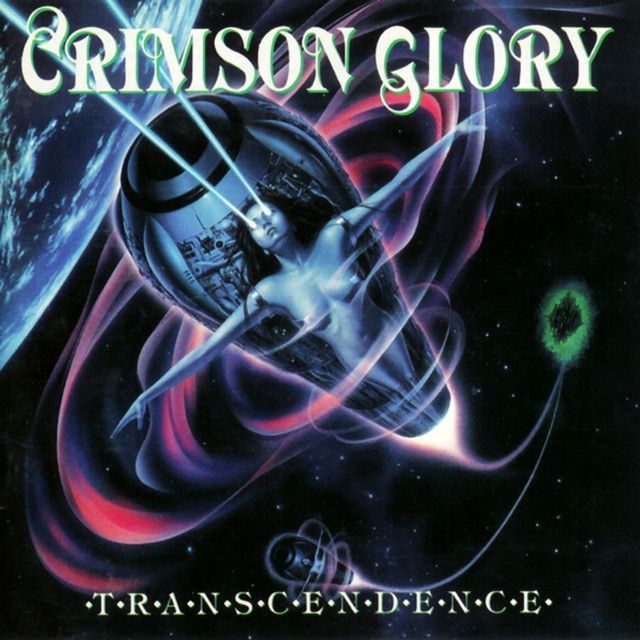
Lady of Winter by Crimson Glory
They released “Lady of Winter” in 1988 on Transcendence, the album that helped cement Crimson Glory’s reputation for progressive-leaning heavy metal. This guide breaks down the meaning of Lady of Winter Crimson Glory fans often ask about: why the band casts a season as a woman, and how the music and imagery say goodbye to what must melt away.
"Lady of Winter" - Crimson Glory
Of changing colors
The glowing clouds are moving through
Loading lyrics...
Unable to load lyrics
We're unable to display the lyrics at this time. Please try again later.
In Short: The meaning of Lady of Winter Crimson Glory
“Lady of Winter” personifies a season as a dazzling, transient figure. She arrives in a dreamlike sky—her wraith rides the crystal sky
—and holds the world in a frozen spell. But the chorus admits change: turning to rain
and seasons will change
. The core idea is impermanence. Beauty comes, astonishes, and then gives way to renewal.

Watch the official Lady of Winter
music video
Who’s Watching: A Distant Witness to a Vanishing Muse
The song speaks in third person, as if a witness is narrating a vision rather than confessing feelings directly. They observe the Lady’s cold brilliance—Eyes of diamond shine
—from a reverent distance. That space matters. It keeps the Lady symbolic, more force than person, which lets listeners read her as winter itself, a lover, or even artistic inspiration that visits and leaves.
What Unfolds: Ice, Light, and the Thaw
- Arrival: The Lady appears in a luminous, crystalline night. The world turns quiet and spellbound—
White world of wonder
. - Tension: Radiant energy surges and cracks the hush. Colors melt and the frozen stillness can’t hold.
- Turn: The chorus accepts the shift—
turning to rain
—a softening that ends the white dominion. - Lesson: A whisper of wisdom floats on—
song in the wind
—as nature moves on andseasons will change
.
Symbols That Drive the Story
- Winter as stasis and awe: The Lady’s icy beauty is perfect and distant. Diamond eyes and a silver night suggest beauty that can’t be touched without pain.
- Rain as release: Rain undoes ice. It’s not defeat; it is a return to flow. In this reading, the thaw is necessary for life to continue.
- Light and fire as rupture: Bursts of violent light imply pressure building until the season breaks. It feels like dawn cracking a long night.
- Wind and melody as memory: A
song in the wind
implies what remains after the spectacle is gone—echoes that linger like a refrain you can’t forget.
Together, these symbols make the chorus’s promise—seasons will change
—feel less like loss and more like a natural handoff from one phase to the next.
How the Sound Paints the Weather
Crimson Glory’s hallmarks—fast tempo, aggressive musicianship, and soaring vocals—mirror the song’s imagery. The brisk pace suggests a biting wind; tight twin-guitar lines feel like glints of ice; and Midnight’s high, ringing delivery lifts the Lady into mythic space. When the chorus arrives, the melody opens up, matching the thematic shift from frozen stasis to rain-softened release. It’s a classic progressive-metal move: use dynamics and tonal contrast to tell the story as clearly as the lyrics do.
As part of Transcendence (1988), the track helped showcase why the band is often cited among American progressive metal pioneers of the era. Their mix of precision, drama, and melody turns a simple seasonal metaphor into a widescreen scene.
Alternate Lenses: Love, Nature, or Art?
- Nature’s cycle: The most direct read treats the Lady as winter personified. She dazzles, then dissolves into spring—
turning to rain
—because that’s how the world works. - A fading romance (Interpretation): The icy imagery can map to a relationship that once felt precious—
Eyes of diamond shine
—but inevitably changes form. The rain is the moment when passion becomes memory. - The muse and creativity (Interpretation): Artists know inspiration as a visitor. It arrives from the “crystal sky,” freezes time in a
White world of wonder
, then slips away, leaving only asong in the wind
until the next season.
Takeaway: What Lingers After the Melt
The meaning of Lady of Winter Crimson Glory points to one truth: everything moves. The song finds beauty in the brief, accepts the thaw, and trusts the next season. That balance—between awe and acceptance—is why it still resonates.
Disclaimer: Song interpretations are subjective. This analysis reflects one informed reading based on lyrics, sound, and historical context.