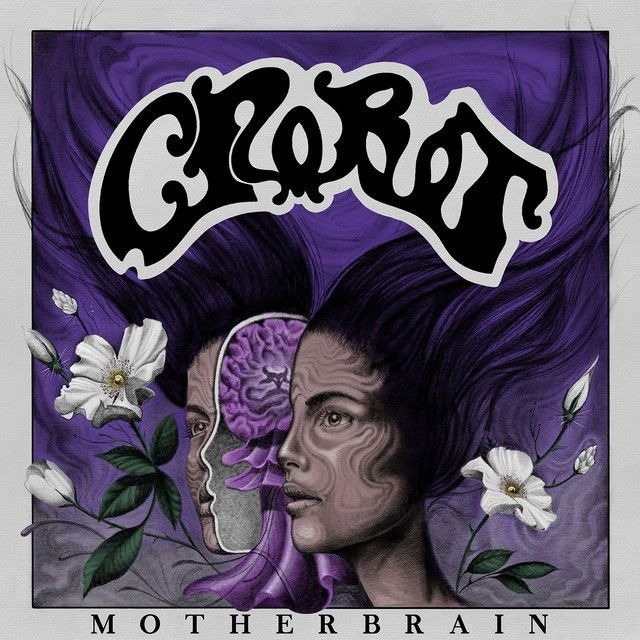
Why Crobot's 'Low Life' Hits Back
The meaning of Low Life Crobot starts with a word meant to shame. Instead of running from that label, the band flips it around and asks who really gets to decide a person’s worth.
"Low Life" - Crobot
They're selling superstition
Criminals and victims, slaves to the system
Loading lyrics...
Unable to load lyrics
We're unable to display the lyrics at this time. Please try again later.
Released in 2019 during the rollout for Motherbrain, “Low Life” arrived as a sharp, heavy single with a satirical edge. According to Loudwire, singer Brandon Yeagley described it as an anthem about the outside view of what a “lowlife” is. That idea matters, because the song is not simply about self-destruction. It is about judgment, class, image, and survival.
The Core Idea Beneath the Hook
At its heart, the song argues that society is quick to brand people as failures. The verses set up a world full of pressure, manipulation, and fear. Early lines point at media noise and public influence, summed up in the phrase Turn off your television
. The song suggests that people are constantly being sold stories about who matters and who does not.
From there, the narrator sounds accused rather than ashamed. When the chorus says they say I'm a low life
, the key detail is “they.” That word shifts the focus from confession to judgment. The insult comes from outsiders.
Interpretation: Crobot are showing how labels often say more about the people using them than the person being targeted.
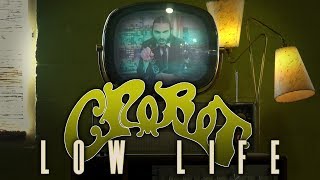
Watch the official Low Life
music video
A Song About Outsiders, Not Just Outlaws
Yeagley told Loudwire that there is a misconception that a touring musician without much money is somehow a “lowlife.” He pushed back on that idea and said that, if people still want to use the label, the band is fine with owning it.
That comment helps explain why the song feels proud even when the lyrics sound dark. The speaker admits imperfection, but they do not accept moral inferiority. When the song mentions sold my soul
and being on the wrong side of heaven
, it sounds dramatic on purpose. These phrases echo the kind of extreme language critics use when they want to write someone off.
So the track is less about evil than about stigma. It asks why certain lives get judged as broken while others hide behind respectability.
How the Verses Build a World of Pressure
The first verse paints a culture trapped by fear. Crobot mention superstition, addiction, and panic, suggesting a social system that keeps people tense and easy to control. The song’s anger is broad, not personal. It reaches beyond one relationship and toward a whole environment.
That continues later when the lyrics describe people being dragged down, fooled, and made to pay. In plain terms, the song says shame is a tool. People are taught to feel dirty, then sold a cure.
They'll drag you down into the dirt
They'll show you what it's like to hurt
These lines are simple, but they do a lot of work. They turn the song from private complaint into group experience. The speaker is not alone; they are part of a larger crowd being judged and squeezed.
Why the Chorus Feels Defiant
The chorus is catchy, but its real power is emotional. Repeating the insult again and again drains it of some of its power. That is a classic move in rock music: take the name thrown at you and wear it until it stops working as a weapon.
Interpretation: The repetition does not sound like surrender. It sounds like reclaiming identity.
That is why the line I'll survive
matters so much. It is the song’s real thesis. The speaker may be mocked, misunderstood, or looked down on, but they are still standing. Survival becomes its own form of victory.
The Sound Makes the Meaning Clearer
“Low Life” works because the production supports the message. Loudwire reported that Motherbrain was produced by Corey Lowery and that “Low Life” was co-written with Johnny Andrews. Chris Bishop said it was a song the band would not have written by themselves, which took them out of their comfort zone.
That outside push can be heard in the track’s balance. It has thick hard-rock guitars, a stomping groove, and a chorus built to hit fast. At the same time, it keeps Crobot’s funk-metal bounce alive. Yeagley also described Motherbrain as darker, heavier, and funkier than past work, with more focus on everyday struggle than fantasy.
That mix is important. The groove keeps the song from collapsing into misery. Even when the lyrics deal with blame and worthlessness, the band sounds energized, almost amused by the people trying to judge them.
The Video Adds Satire to the Song
The David Brodsky-directed video pushes the media theme even harder. As noted by Loudwire, Yeagley appears as a shady TV pitchman selling the “Low Life” identity like a product. That image connects directly to the song’s attack on manipulation and spectacle.
Instead of saying the world is fake in a vague way, the video gives that idea a face: a smiling salesman who packages shame and sells it back to the audience. It is funny, but the joke has a bite.
Final Take on the Meaning of Low Life Crobot
The meaning of Low Life Crobot is not that the speaker is truly worthless. It is that worthlessness is a label used by systems, media, and social gatekeepers to keep people in line. Crobot answer that label with swagger, sarcasm, and force.
In the end, “Low Life” is an outsider anthem. It speaks for people who are judged by money, image, or status and decides that surviving the judgment is its own kind of pride.
Disclaimer: This interpretation is based on the lyrics, the band’s public comments, and the song’s presentation. Like most songs, it can support more than one valid reading.









